Mediterranean Plants

Plants associated with this term are normally of strong structure and have the ability to withstand drought conditions. They have adapted to survive in extreme heat although their native environment would have been dry summers and mild but wet winters. Often more than not they thrive in full sun but periodically can cope in partial shade.

Cotinus coggygria (Smokebush) an effective foliage plant. It will thrive in full sun but is deciduous and so offers no winter interest. It provides orange-red-purple foliage from spring to autumn. This plant is very easy to look after and only requires the removal of unnecessary growth for a desired shape. In Spring, to check for dead, diseased or damaged stems and remove. It is usually fine in most soils although not poor. It does need some nourishment. An application of manure or humus rich matter can help.

Trachycarpus fortunei (Chinese windmill palm) a fully hardy specimen with strong architectural qualities. A quick growing specimen and ideal for climates where there can be severe winters. A point of concern is maybe in a sheltered location. It is not so fond of strong winds. However, they adapt well to full sun and shade.

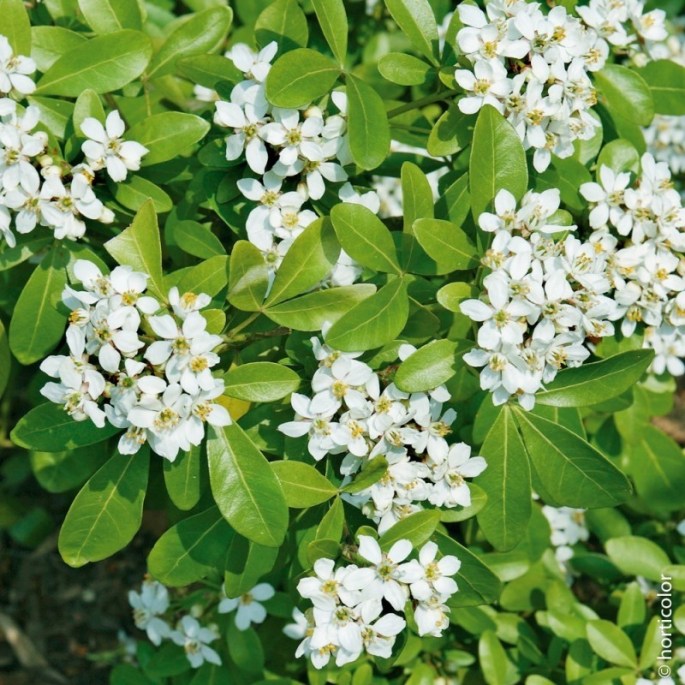
Choisya ternata (Mexican Orange Blossom) A fragrant neatly shaped shrub. An evergreen, it has attractive leaves and highly scented flowers. It also provides food for beneficial insects. It’s highly scented flowers appear in late spring and if clipped after flowering a second flush can often occur in late summer/early autumn.

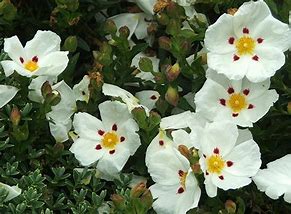
Cistus ladanifer (Crimson rockrose) A hardy choice. An evergreen, offering a profusion of colour throughout summer. It has adapted to cope with a poor environment where the soil has little nutrients. The flowers only last a day but so many in succession you would never notice. You mustn’t prune a cistus though, just pinch the spent growth off. Cutting back to the older growth will kill it.

Lavatera x rosea (Tree Mellor) A semi-evergreen providing continuous blooms all summertime. This variety is a shrub although there are perennials varieties available. L. thuringiaca is a perennial that comes into fruition in summer. You just cut the stems down in autumn. As with L x rosea the flowers attract butterflies and relatively speaking quite low maintenance save cutting back to avoid it becoming leggy each year. 2nd or third leaf node when they appear. The new growth will be luscious and less tired. It is not a fan of heavy clay soil, free draining soil is ideal as it prefers a light medium. It can cope with salt laden winds too.

Bougainvillea An evergreen climber/vine. It will thrive in full sun but when established will benefit from a little shade. Bougainvillea’s must be protected from frost so a container is probably more sensible unless the temperature in your location doesn’t go below 10 Celsius. Below this temperature and still protected, the leaves will fall off but it will survive. As the dormant period approaches the plant will no longer need irrigating so a good idea to stop watering. It does tend to need feeding. A high nitrogen to get it’s foliage under way. After this, a more balanced NPK 10-10-10, to encourage flowers.
Invasive Plants

As pretty as they may be, some plants want all the space. They will take without negotiation. They will deprive light, food and nourishment that their neighbouring plants would enjoy so an idea to keep these containerised.

Hedera vulgaris (Common Ivy). They range from the wild to specimens like H. colchica (Sulphur heart). But by their habit they inevitably climb on other plants, wrapping their tendrils around healthy stems and eventually killing them. The Ivy will provide birds with food, invaluable nectar for many insects and adequate habitat in the winter months. Once in situ though, this plant is not slow growing. So as long as maintenance of growth control is adhered to it doesn’t pose any issue. It is only in situations where it is left and can potentially cause problems.

Hypericum calycinum (Rose of Sharon/St Johns Wort) A versatile evergreen that flowers for a longer period than most plants. In the dormant period it can be cut back for new growth to be encouraged. A yellow flower and quite attractive leaves, but it’s habit is what makes it a problem. It is low growing and effective ground cover. Very resilient and by no means delicate. It grows too quick though and spreads smothering other plants. It can survive in all conditions: dry, wet, sandy, clay, humus rich, and light – both shaded and in full sun.

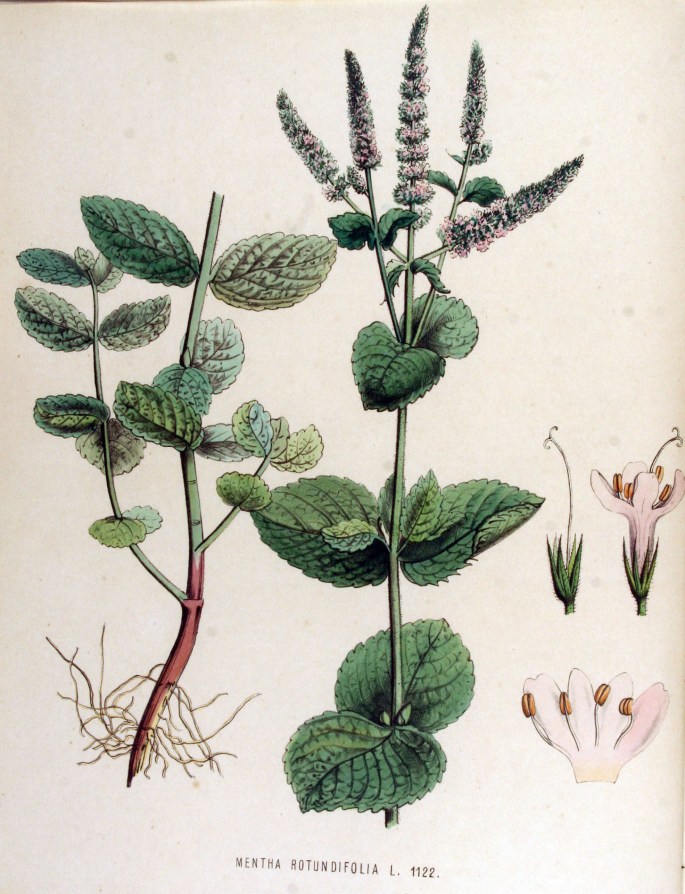
Mentha suaveolens (Mint) A herb used widely. The flowers also attract beneficial insects which is clearly a attribute. It does also show mauve flowers in Summer. However, this is very fast growing. Clusters that are too big lose their scent or if differing cultivars put too close together it can happen. To benefit from the aromatics, split periodically to revitalise the plant.

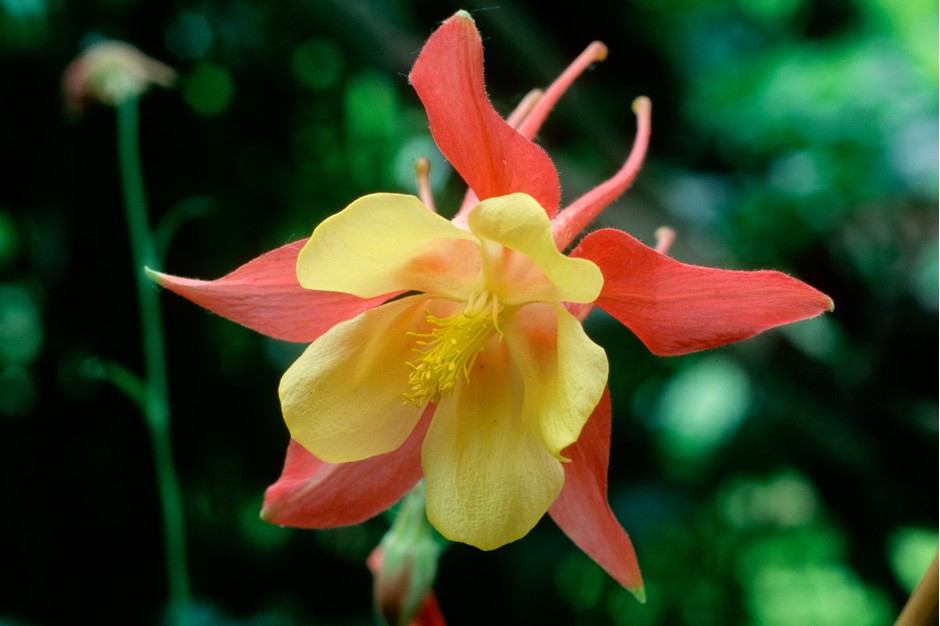
Aquilegia (Colombine) a weed or not considered by some. The true plant from seed is very attractive with distinctly unique flowers. It will show for only a short period but it will appear somewhere else shortly after. Good for rockeries and areas of poor soil or no loam. Very difficult to control though. The parent plant (from seed) can often crossbreed with a common variety causing a number of mutations and self seeding hybrids forming. The change in the colour and shape of the flower is distinct. The environment they thrive in can differ too. From a meadow to the higher terrain of a mountain.

Urtica dioca (Stinging nettle) Quick spreading roots. Yellow in colour. The plant dies back in winter. This would be the ideal time to unsurface roots and dig up if not wanted. This is easier since in the height of season nettles can grow very tall and difficult to manage. Beneficial to butterflies but will smother everything if left.

Herbaceous Perennials

An effective accompaniment to Shrubs. They not only offer colour each year but fill in spaces to offer height interest and differing habits in a planting scheme.

They do not have a woody stem, the goodness returns to the base rather like a Bulb or Rhizome would. It dies back in the dormant period but remains alive underground. They require little maintenance save cutting back after their blooming period.

Reds

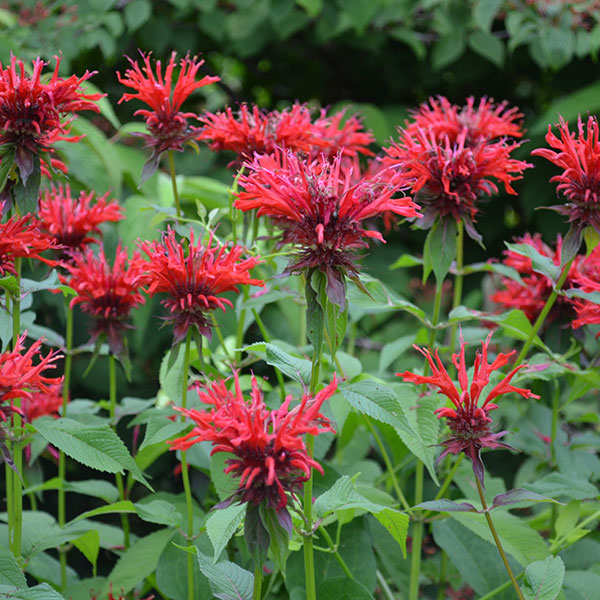
Monarda ‘Cambridge Scarlett’ – in full sun, this perennial offers delicate flowers in late summer, often red in bloom although their are pink varieties. It encourages beneficial insects so a valuable asset to the garden

Dianthus – come in a variety of colours from red, pink to white, summer flowering. Give them a clip to retain vigour of growth and prevent them from becoming straggly. Will prolong flowering as an added bonus

Mobretia or alternaively Crocosmia – come in a variety of oranges and reds. Very attractive flowers and very delicate in late summer. Invasive, however, and needs the corms dividing periodically to avoid it taking control

Salvia – a full sun loving perennial. An ornamental variety of the herb commonly known as sage. This is purely for decorative purposes and the variety ‘splendens’ can go from pinks to purples. So a choice for colour.

Orange

Helenium – a perennial that enjoys full sun in mid to late summer. Very robust and hardy. These perennials can be divided to produce other plants and this will always improve the plants performance.

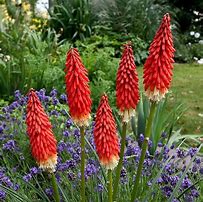
Knipfolia – Red hot pokers provide a striking display providing they get full sun. They must also be in drained soil and do not like sitting in unnecessary moisture. Periodically they will benefit from division too. Might need training to stay upright with poles! Tall.

Purple

Liriope Muscari – an autumn loving perennial that can endure little water and at times a small amount of light. Purple spikes protrude from an ornamental grass habit. Divide this plant when it appears smothered and tired from excessive flowering.

A near cousin Liriope armeniacum Grape Hyacinth – provide fantastic ground cover in winter months and most flower early spring when nothing has surfaced. Very tough but very delicate and good in shade or partial sun making it ideal under trees and coveted spots.

Pink

Bergenia cordifolia – ‘Elephants Ears’ is a pink flowering evergreen known for its flowers as well as its leaves. Very easy to look after. Will provide pink flowers in Spring but attractive foliage and effective ground cover all year round. Good in shaded and ignored areas and drought tolerant once established. Will attract beneficial insects including bees so a lovely addition to a border.

Foliage

Ferns are great to fill a gap where other plants would struggle. Not only do they thrive in shaded, moist spots they provide effective foliage most very attractive but are also relatively pest and disease free. They add a unique textural quality that can not be replicated in the same way.

Heuchera – come in red and green varieties. Very easy to look after. Cut back after they have spent their blooming period. They will just come back the next year and effective in close clusters

Stachys byzantina – (Lambs Ears) a choice for the foliage element. Very neat compact habit, almost silver like leaves. These leaves are of a fur like nature.

Hosta’s are perfect because of their diversity, preferring a shaded spot they are ok for the less developed part of a garden or secluded but be mindful they are not taken over by other perennials too close. Most locations but not full sun and good for rockeries and as an edging plant.

Wind Tolerance.

Usually with a windbreak, whether live or inert, plants can withstand some thrashing. However, for prevailing winds some plants will stand their ground and wait for it. They do not mind a battering and strangely their makeup has been designed for it. A lot of the time their habit and shape of leaves/bracts is relevant. Often grasses are very good and those specimens that are drought tolerant.

Miscanthus sinesis ‘Zebrinus’ (Zebra Grass) – In full sun these ornamental plumes do very well. Late summer into early autumn. Creamy fountain of grass with upright habit. Known for whistling in wind as other Miscanthus.

Pennisetum rubrum (Purple fountain grass) – In full sun will provide a cascade of purple foliage streaming foliage through other contrasting grasses. The shape can almost allow the wind to go through them and not at them.

Stipa tenuissima – is an evergreen which in full sun will work with other grasses and herbaceous perennials. A hardy ornamental grass that is hardy and relatively low maintenance.

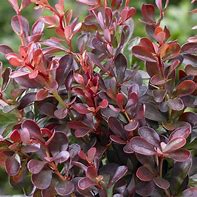
Berberis thunbergii – the barberry bush is a good staple shrub. It is a relatively hardy and robust shrub although at times to manage is a bit uncomfortable. A shear now and again is all that is necessary to keep its habit. It can be used in an unconventional hedge since pruning will make it denser. You will find foliage of green and a deep plum in varieties.

Cordyline australis (Cabbage Palm) is a good foliage plant but to probably keep to a container since you may have to move if the cold spells come. It is hardy to an extent maybe -9 so if sheltered or in good conditions will remain evergreen even with a bit of help.

Rosa Rugosa – a vigorous almost wild rose will live in the most of barren of environments. A fusion of our choice specimens and the wild variety. Very robust, very low maintenance. Can act as a shrub in its own entirety or as part of a hedge. Very resilient to all elements and very easy to look after.

Not a fan of conifers although many different sizes, habits and qualities, they are still worth a mention. A juniper bush or ground cover variety is a good choice for something of interest. Juniperus ‘squamata’ a blue grey variety which is hardy, tolerant of little care and will sit in quite problematic conditions. Full sun or partial shade and exposed or sheltered. Juniperus x media ‘Carberry gold’ a low dense habit which will provide you with equally lovely green-yellow foliage. Again its dynamics are quite easy going and will take full sun or partial shade and most importantly exposed.

Shrubs for Confined Spaces.

Despite having limited space startling results can be achieved using dwarf shrubs that retain a compact habit. They will provide flowers and foliage throughout spring, summer and longer. They are identical in effect to their larger counterparts.

Syringa ‘Boomerang’ – a dwarf Lilac providing two shows, one in early and one in late summer. These specimens are deciduous but are hardy so can stay in situ. They need full sun though. A highly scented choice. It requires little pruning just a trim to retain it shape.

Azalea ‘Dwarf Orange’ – an evergreen variety needing full sun and flowers in late spring. A hardy variety too and can be grown alternatively in containers. It is a slow growing shrub and although it’s flowers aren’t scented the shrub is very happy in most aspects. There are scented varieties but dwarf varieties not commonly used for aroma but for their flora. The larger varieties tend to be scented and be closer related to the Rhododendron. And whilst an Azalea is a Rhododendron, it is not true of the other way.

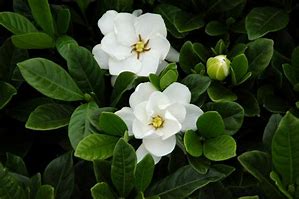
Gardenia jasminoides – These need to be in partial shade ideally but can cope with full sun. An evergreen known for it deep leaves and highly scented flowers. It is slow in growth but if space is an issue this is probably better. It will flower in late summer to early autumn. It is hardy but dependant on location may need to put in sheltered spot, so in a container may be more sensible unless your climate is mild.

Hydrangea quercifolia ‘Munchkin’ or ‘Sike’s dwarf’ – An attractive leaf and offers a show from summer to late. Has a compact habit and generally robust. The foliage will turn a rosy shade in autumn. Its needs are not specific and will work in most places, exposed too.

Acer palmatum ‘Shaina’ – A dwarf Acer that offers deep foliage through the seasons. Although more medium sized than small, a comparatively dwarf variety judging by how large they can be. It is quite slow growing so will take time to get to maximum size. Avoid full sun, it will burn the leaves or at the least provide some shade for it throughout the day. It is fully hardy but has no flowers so for foliage effect.

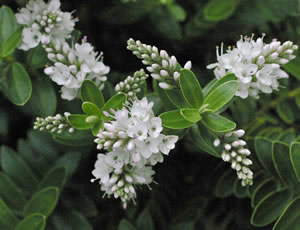
Hebe’s can be rather under – represented but these plants offer both foliage and flowers throughout all seasons. They are generally hardy, mostly evergreen and nearly all are disease free. Some varieties flower in summer but in winter too. Attractive leaves in a compact mound with often spikes/tubular racemes from the centre. Hebe ‘Wiri mist’ a late spring to summer offering whites spikes. A tough variety and fairly resilient to pests/diseases. Hebe ‘Midnight sky’ an evergreen variety which can flower early summer but offers deep foliage through autumn into winter. Hebe ‘Mrs Winder’ that will bear mauve flowers and takes the colour from summer right into winter.