Ground Cover

Ground cover can come in useful where you have an awkward embankment where mowing would be difficult, strimming time consuming or where you weren’t planning any shrubs. The incline might make it a balancing act to weed and keep in check. Carpet covering and mat forming ground cover can provide foliage interest and little maintenance since it’s fit for purpose.

Cotoneaster horizontalis is the most commonest used since the species is very robust and hard wearing needing little or no maintenance and provides for berries for birds and wildlife.

Juniperus squamata a prickly one but for good reason. Very low growing and good as a deterrent for those leaving their waste behind. A low growing but with an arched habit. Blue carpet provides a good alternative to weeding leaving a colourful silver – blue hardwearing cover. It is very hardy and gives effective colour all year round. It tolerates full and partial sun, good in free draining soil when it is established and drought tolerant.

Isomata fluviatilis (Blue star creeper) it is a perennial but with good results (perennial meaning it dies back). However, it provides a mass of flowers from late spring into autumn. It is part of the campanula family – it needs warmth and full sun. It is tolerant of exposed sites but does not sit well in wet conditions. A favourite in moist but not saturated. Also very effective in cracks providing an abundance of colour and hiding a “multitude of sins”.

Phlox subulata (Creeping phlox) is a perennial that is very easy to grow. The spring flowers come in an array of colours Reds, Pinks, Whites and Purples. Cutting back the top will encourage new growth and prevent the plant from becoming leggy. The perennials are shallow rooted so the stem should not go deep under the surface just at the soil level will be fine. The foliage will provide all year round interest and the flower from spring to summer.

Pachysandra terminalis (Japanese Spurge) An evergreen that foliage will sits well all the year and provides star shaped flowers in summer. Versatile due to its liking to cold and warm areas. It is equally good in exposed and sheltered locations. ‘Green Carpet’ has particularly interesting leaves.

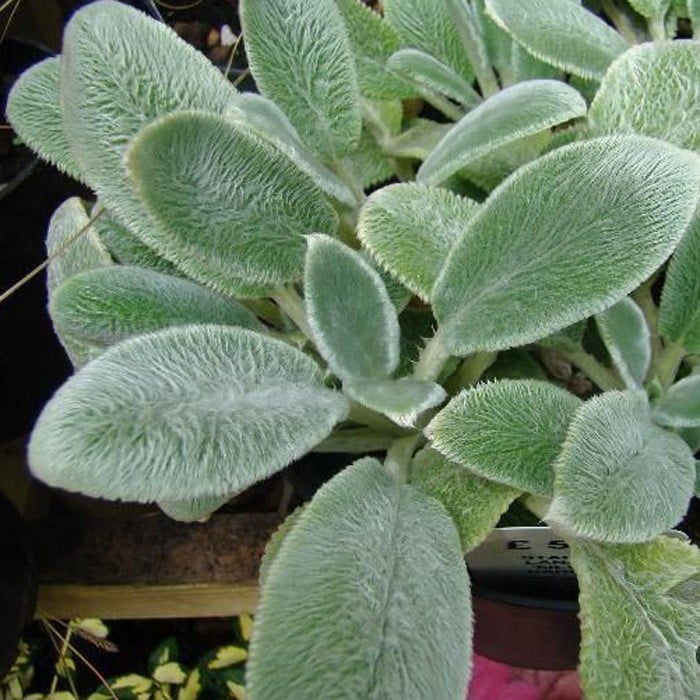
Stachys byzantina (Lambs Ears) this covering evergreen provides a superb cover in a gap or possibly an area too small for a shrub and too big for a bedding plant. It is commonly known as Lambs ears from its velvety and beautiful silvery exterior. It flowers in summer, every season other than winter you can enjoy the foliage. It needs a full sun position but exposure to the winds and other elements it is tolerant.

Evergreens

Specimen shrubs are the backdrop to a successful scheme. General practice is to put larger specimens at the back/middle/sides and ensure adequate space is given in their new location. Smaller shrubs interspaced at the front and size gradually getting smaller.

It’s good to have some specimen evergreens interspaced – when the colour of flowers/berries have gone there is still something to look at when it’s bleak.

Photinia x frasei (Red Robin) has become a popular hedging plant in recent years. A shrub in its entirety really. Flowers in spring to early summer. Foliage all year round. Can be suited to a sun or partial setting. A hardy plant.

Ceanothus repens (Californian Lilac) deep blue flowers that are popular with bees and other beneficial insects. Flowers spring to early summer. Prefers a sunny position but will tolerate some shade. This needs to be in a sheltered position and not too exposed.

Choiya ternata (Mexican Orange blossom) two varieties of leaf – gold and lime. This shrub has the most fragrant flowers. Can tolerate a sun or shaded spot but not exposed, so ideally a bed by a wall. Normally will flower in late spring but if clipped can encourage a further flush.

Cistus (Rock Rose/Sun Rose) This evergreen shows a mass of flowers in summer. Usually the flowers are pink or white with flexs of red and yellow. A flower will last only a day but the blooms come so “quick and fast” you wouldn’t notice! It’s origins are Mediterranean so it does want full sun but is drought tolerant and quite resilient in these conditions. In a colder, wet environment it is not as tough.

Daphne tangutica is an evergreen variety with pink flowers. The shrub is highly scented and will flower through spring with berries in autumn. A good choice for sun or partial shade. Daphne do not tolerate exposure so by a wall is ideal.

Skimmia japonica is an evergreen which flowers in early spring. Quite effective as a staple shrub. Does not require a great degree of care and can cope with neglect. Partial shade is ideal. The leaves will suffer in full sun. The female skimmia will produce berries if a male is by the side.

Elaeagnus ebbingei has become a popular choice for hedging although for its merits it should stand alone. An evergreen, good in sun and shade, moist and dry. Pruning to just maintain desired shape so low maintenance. Mid – autumn onwards it produces fragrant flowers and its leaves have an opaque appearance. A very hardy choice as a hedge or shrub.

Sufficient Drainage

Other than plants intended for the pond, marginalised or oxygenating – species like to dip into moisture but not to sit in it. Lily of the valley, Daylilllies and Hibiscus can all tolerate more than enough moisture.

It is worth understanding then why the area is wet or over saturated. An ill drained area can be altered to improve water runaway so that the area is moist but drains. If the soil is compact this might be the reason for the accumulation of water. It might an option to install land drains or conversely change the consistency of the soil to allow water to penetrate.

Cornus do well in moist areas and provide effective winter colour. Dogwood produces attractive foliage with white flowers so has a purpose all year around. Very easy to keep and most aspects are adapted to. Easy to prune, a couple of inches from base and it comes back up in Spring.

Spring flowering Kalmia do well in these conditions with a good degree of light. As long as the sun is shining on the species, the plant can sit in moisture. It can tolerate partial shade as long as the soil has some drainage and on the acidic side which is why it goes well with Camellia’s and Rhodendrons. Little pruning is necessary but have a tendency to become leggy. A clip to keep its shape but is slow to grow out of control.

Some Salix alpine varieties will cope with some saturation as will Betula pendula, the silver birch, although some drainage is still needed. Hydrangeas are probably one of a few plants that devour H20. However, Hydrangeas cannot sit in it either as to do so would kill them rather quickly. They prefer cool, moist and shaded spots. A smaller water lover is a certain grass, Carex. This is usually in planting combinations with other ornamental grasses so often doesn’t lend itself to a pond location.

There are smaller species like Hostas (a rich and acidic soil for these plants) and Ferns (generally anywhere) that sit well in moist areas but again a crown rot issue can arise if proper care not taken of them. A grass that goes well with Hostas is Hakonechloa macra, it doesn’t mind moist soil but it must be well drained. Monarda – well drained, Rudbeckia – well drained. The problem of moist not wet still resides. Liriope too is resilient of tough conditions and can cope with full shade but not over saturated soil. It still needs to be well drained.

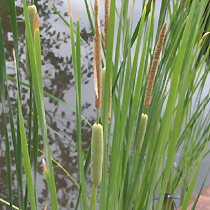
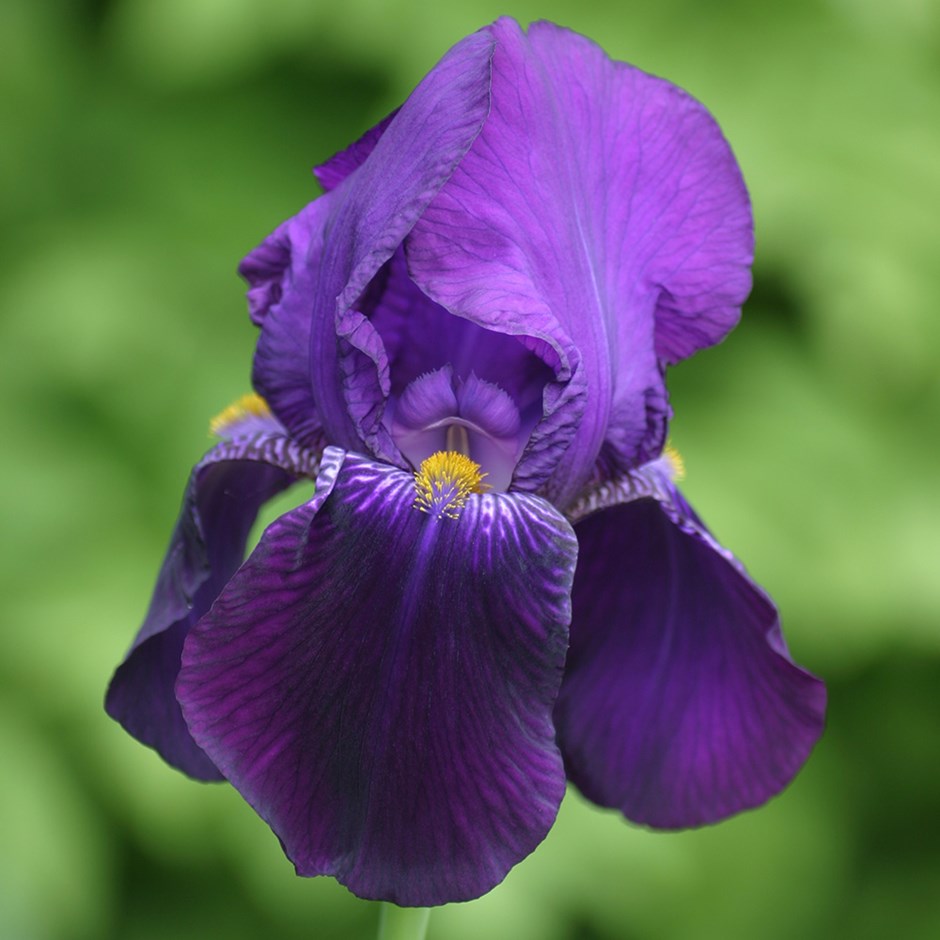
Nothing would be better than probably addressing the problem unless you want to create an actual bog or marsh area for Bull rushes, Gunnera, Irises and alike and even here there needs to be a degree of drainage. Not too much seems to survive in a pool of water.

Shrubs in Shade

Some plants never do well in shade but it is surprising how many will perform in these conditions. Often this can be a determining factor for poor growth, little flora and general sickness.

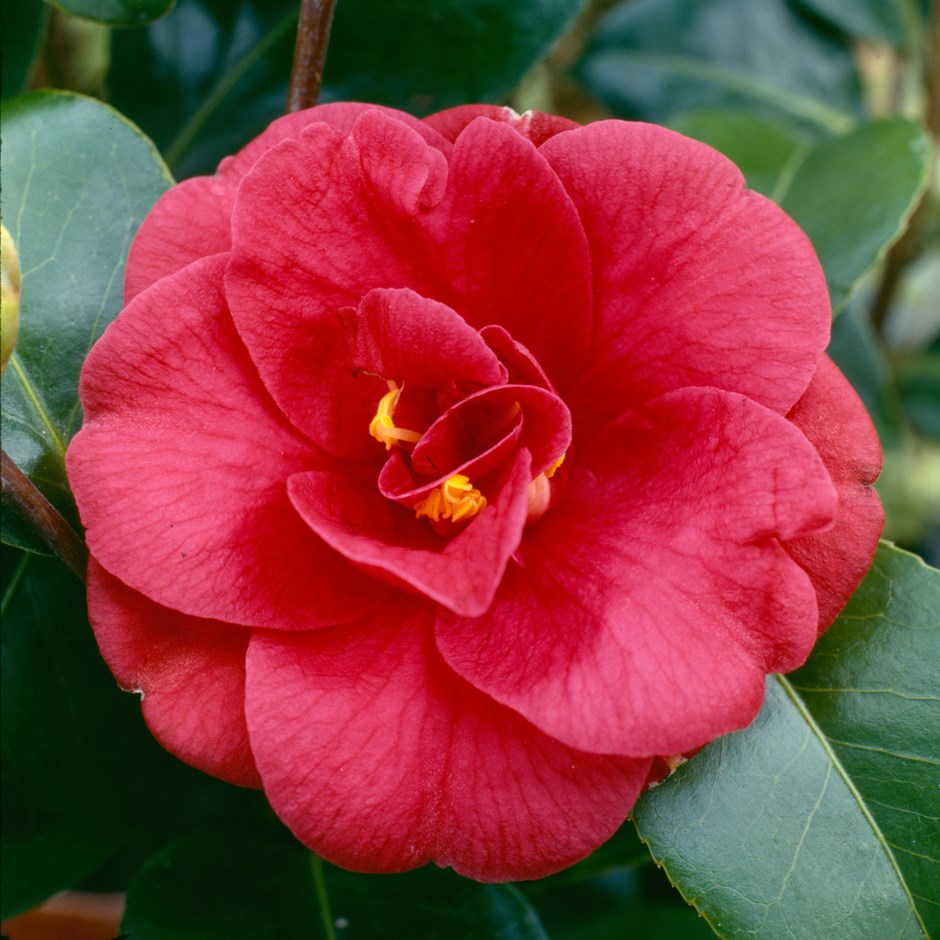
Camellia’s can tolerate partial shade but the winter flowering variety sasanqua must have a full sun location to perform well. Found as a woodland plant often the more shaded the better. The varieties of x williamsii and japonica are hardy and can take hard pruning after flowering. Neutral to acidic soil are ideal conditions.

Skimmia’s too are evergreen and provide elements of interest through the seasons, produce berries for birds in winter and give a profusion of fragrant white flowers in the springtime. They do well in partial shade to full shade and prefer an acidic soil. The leaves can burn in full sun. No real maintenance to speak of, just unwanted growth. Woodland origins.

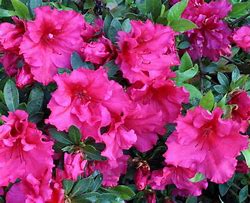
Azaleas do not respond to being in full sun so similarly suited to partial shade. A heathland plant which prefers a good drained spot with an acidic reading. No real pruning necessary but to control size. The varieties are highly scented and come in a wealth of colours. Light pruning after flowering.

Sambucus nigra has equally attractive foliage and can lift the dullest of corners. It also offers scented cream flowers in the summer months. It does like some sunlight but will happy enough in partial shade. In autumn, it provides deeply rich berries to wildlife as a necessary food source. Origins of a wasteland plant but some interesting cultivars. S. ‘golden tower’ and S. ‘black lace’.

Daphne’s prefer a neutral to more alkaline soil but still prefer a cooler spot. Daphne perform well in sheltered gardens in well drained conditions. They do not tolerate drought so moisture retentive soil packed with nutrients is necessary. The shrub is highly scented and hosts attractive pink flowers. Good solid hardy shrub.

Textural Plants


Amazing results can be achieved by using textural elements of plants, either through the leaves or flowers. Usually perennials will give your border that extra zing when coupled with contrasting plants or as a cluster of the specimen.

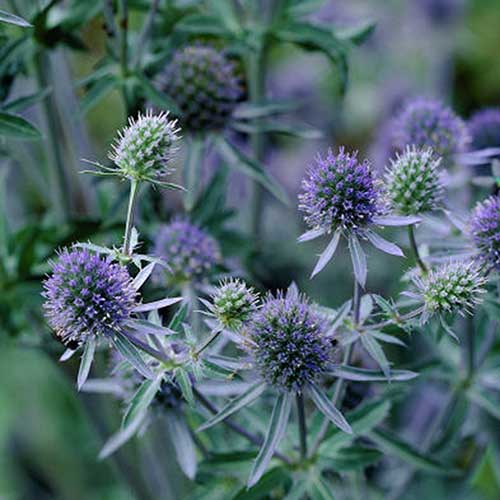
Echinops bannaticulus (blue globe thistle) these flower in summer and are best planted in a cluster. The flowering period can be prolonged by cutting off dead heads. On the whole, very low maintenance but have a tendency to disperse in wind. These seeds can easily germinate where their not wanted so another reason to cut flowers heads off when spent.

Another Echinops is ritro ‘veitch ‘s blue’ – this flowers in late summer and again the same rules apply. The specimen tolerates all soils as long as it is free draining. You can propagate these by division.

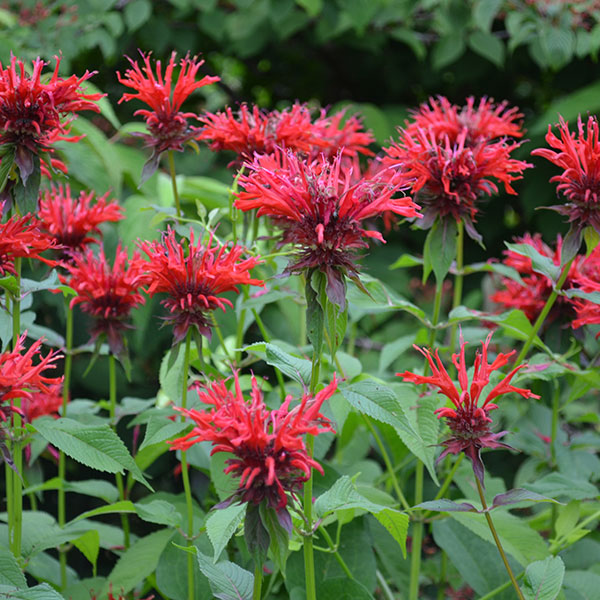
Monarda, or ‘Bergamot’ as it is commonly known possess strikingly attractive flowers. In summer, it offers an architectural element in any mixed border and its crimson colour is distinctive especially in a cluster grouped with any contrasting foliage.

Monarda didyma is commonly used for its crimson red effect although there are pink and purple varieties.

Eryngium bourgatii (Sea holly) runs throughout summer and offers architectural value in a perennial border up until autumn. It survives in poor soil as long as it has light and is sheltered to an extent. It also prefers to be in free draining soil and will not sit in waterlogged loam.

Eryngium planum offers summer flowers and is particularly good in clusters. Needs to be in full sun. Eryngium can have quite long roots. When they are settled avoid root disturbance as they don’t like being moved.

Stachys byzantina ‘Silver Carpet’ is a perfect foliage plant that provides effective mat forming clumps or low growing ground cover at the front of any perennial border. Very hardy. Stachys does lose its leaves eventually in winter ready for its spring growth. Survives in sandy soil and can withstand drought conditions.

Hosta undulata ‘ Mediovariegata’ is another choice for effective foliage at the front of a mixed border. The variegated leaves are clump forming and provide effective colour – they prefer slight shade and an acidic more humus rich environment. If the soil is too alkaline the leaves will suffer chlorosis. It is also a good idea to place them in a slightly sheltered spot as they don’t tolerate particularly cold winds.

A relatively recent addition to the foliage selection is Senecio ‘Angel Wings’ it has proven to be very successful despite only being cultivated in the last couple of years. Clump forming and generally maintenance free it offers all year round colour. It does bear yellow flowers in summer although that’s not what it known for. Needs a more humus rich than sandy soil. However, it will not tolerate being wet so must be free draining but have some substance. It likes the sun and will thrive in these conditions. It is good at sustaining its vigour with harsh cold winds but if the temperature really drops well below 0, it is a good idea to relocate or protect from the elements.