Ericaceous Plants

The soil needs to be on the acidic side. This is neutral 7.7 and below, to improve the soil add sulphur, a fertiliser, any humus rich matter, peat, although the latter not accepted as ethical anymore. Above the 7.7 mark would be alkaline (lime, chalk based medium). Most plants can tolerate a mixed medium and cope with the conditions but some are on the picky side. An indication of such a deficiency would be the yellowing of leaves.

Calluna vulgaris (the commonest of heathers found on hillsides, moorlands) prefers a sunny aspect but can cope with partial shade. It can flower in summer and autumn. The soil needs to be slightly on the moist side for it to do well. As long as the soil is acidic.

Erica carnea – these are winter flowering heathers. Again, an evergreen but provides you with colour where there is none. No maintenance other than taking away spent growth. These are usually dwarf varieties in an assortment of reds, pinks, whites and purples.

Azaleas are evergreen / decidious but will provide a huge of colour late spring to early summer and some are scented. Azalea ‘arborescens’ is scented but it loses its leaves.

Rhododendrons are evergreen and unlike Azaleas don’t usually cope well in full sun. They do prefer a little shade. This plant prefers a slighly cooler atmosphere. These can be used as a hedge although usually a specimen shrub. Rhododendrons have a tendency to become leggy inside if they are left unpruned for a long period. The size, shape and vigour can be retained if they are pruned each year. There are hybrids that are sun tolerant and flower later like ‘Nova Zembia’ which can continue into summer. As a rule, not scented but later flowering hybrids can be. R. burnacum, R. megacaly x. These varieties seem to flower for a shorter period and are more tender to the cold. They are a hardy and robust choice in the main.

Camellia japonica is a spring flowering evergreen. It does prefer a sheltered spot to perform well with some shade. Camellia’s do tend to be damaged by the wind and cold. Camellia’s can be moved although there is speculation they prefer not to be. However, if the plant is not performing well, to move it would be a lesser of two evils. Be mindful to do this at the right time of year. (a) dormancy period (b) try and retain as big as root ball as you can (c) avoid it drying out by soaking – can reduce the shock but not sitting in it (d) choose a well drained location with shelter and use ericaceous compost.

C. sasanqua prefers similar conditions, smaller in size, and suited to a container where it can be moved. This autumn flowering variety is more frost tender and does need additional protection. The flowers are scented too.

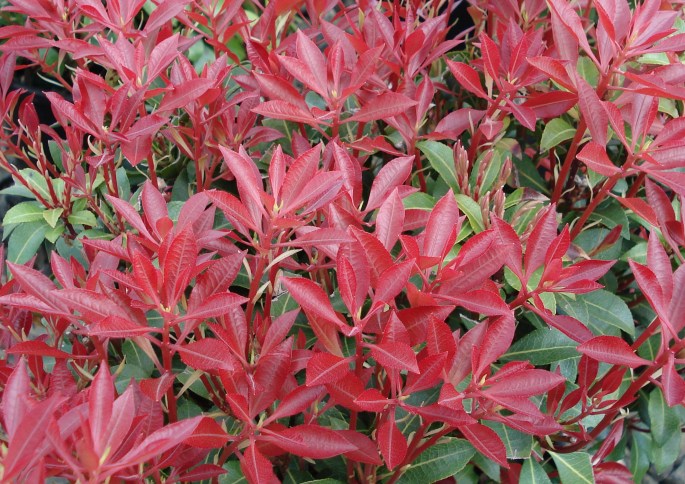
Pieris is an compact evergreen. It does flower in spring but is more well known for varying foliage. ‘Forest flame’ a popular specimen provides a wonderful colour from Febuary onwards and once in situ, little is needed. A larger shrub compared to this is Pieris japonica. The only maintenance, just to remove flowers or any unwanted growth. P. japonica ‘compacta’ provides white flowers but these are scented too.

Kalmia latifolia (Calico bush) This flowers in spring. It won’t compete with space since its slow growing. The amount of sun is important since the flowers will be dependent on this. Full sun ideally, not particularly drought tolerant so the soil needs to be moist or the plant partially shaded.

Clay soil

There are a number of factors to consider dealing with compact soil (medium that’s difficult to penetrate and work over). It can often be waterlogged. The plant might find sourcing food difficult, the roots to develop too. The surface “crust” may make it difficult to allow air in.

These problems can be alleviated by working over repeatedly, improving the movement of air; encouraging worms to condition the quality.

The soil particles ideally need to be finer, sand can be added to make it more free draining (since not many plants cope in excessive moisture). However, under this surface “crust” it can also be thin and lacking lustre, nutrients and bulk.

In this instance, the soil can be nourished with manure, organic matter, any rotted compost that might be ready. There will be worms in this certainly, these will populate the designated area and treat. It will still be on the heavy side but much better. It may need adding to periodically with humus rich matter, since all soil becomes tired.

There are plants, without these steps, that will tolerate clay conditions despite no action being taken. This is not a comprehensive list, there are many others.

Fatsia japonica is a resilient evergreen with very attractive foliage. It prefers a fertile soil and perhaps some shade if anything. As long as it is relatively sheltered it will thrive. This shrub will bear black berries aswell as flowers but its really recognised for its leaves. It has an anti-pollutant quality too.

Garrya elliptica (Silk tassel) prefers a sheltered spot but generally is forgiving of most conditions. It doesn’t require any maintenance – to do would cause more harm. It flowers very early in the year, provides a food source for birds and bears attractive catkins in spring.

Sarcococca confusa (Christmas box) is an evergreen shrub which like a few flower in wintertime. It will provide delicate scented flowers from winter to spring. It keeps it shape well by habit. It is very resilient to drought, needs little support. A shrub good in a shaded, neglected spot. After it flowers, it will bear black fruit.

Lavatera (Mallow) an annual, a perennial, and warrants the term “shrub” aswell. A large specimen that flowers mid summer, it’s very resilient and can cope with an exposed site with salt laden winds. Keep spent growth on until spring and then remove. It protects it for the future year.

Magnolia grandiflora is an evergreen with glossy leaves. It prefers a well drained soil with humus matter. It bears fragrant flowers throughout summer. Its roots system is relatively shallow so can cope with partially compact soil. Having said this, be mindful that any roots protruding from the surface are coveted to avoid unecessary drying out.

Magnolia stellata, a very different variety (starry flowers) but equally impressive. It offers spring flowers that are scented but not heavily. It does prefer a more sheltered spot although roots are very so good close to the surface. It does not need planting deeply albeit protected though. It prefers a heavy humus rich medium. If it’s in a sheltered position, it is protected from both the wind and sun.

Weigelia is decidious, so over the dormant is non descrpt. However, W. florida “variegata” does provide you with the most wonderful cream edged leaves and fragrant flowers from late spring to summer. A resilient shrub, it can cope in most aspects, exposed or sheltered. It also attracts beneficial insects too which always a bonus.

Rhododendrons/Azaleas are together since they are so closely related. Both flower from spring to summer. A variety of colours, some scented and others not. R. occidentale offers orange/yellowish flowers which are fragrant in early summer. This is decidious so will lose its leaves. R kaempferi (which is an Azaelea really) flowers late spring to summer but is evergreen, so will provide you with foliage all year round. What is certain, however, of this family is the soil must be acidic soil to perform well. This is something entirely for a different post.

It can also be said that an Azalea is a Rhododendron but a Rhodendron is not an Azalea. This is something else entirely too.

Perennials for Beneficial Insects

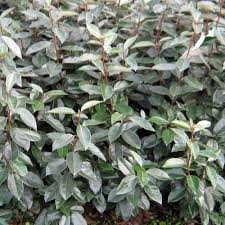
Using just perennials can achieve a bio diverse border for wildlife at their peak of activity. These cottage style combinations of varying heights can offer a much needed source for pollinating insects. You may, however, want to interspace some staple shrubs otherwise in the dormant period it will appear a redundant bed. Evergreens like Euonymous, Hebe (most are hardy) Mahonia, Spotted Laurel and Cornus are all hardy and will provide interest all year round. 

These perennials aren’t necessarily meant to go together, it may create a collision of colour. Some are red, some yellow, purple and blue but they assist in providing a sample of what’s available.

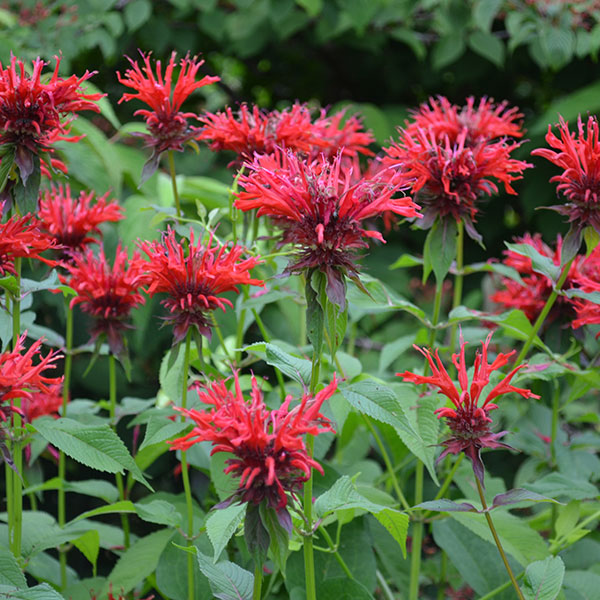
Monarda (Red / Purple / White – Bee balm or Bergamot) M. diddyma, the red one is most common although there are pink varieties like ‘Pink lace’. It is in fact the leaves that are scented but they provide attractive flowers in late summer. A plant not great in dry conditions so the soil needs to be moisture retentive. It’s a hardy perennial, in the dormant period its underground in any case but no further cover needed..

Agastache hyssop (Anise) offers aromatic leaves and useful flora as a food source. It flowers in mid summer and available in whites and purples. Anise does need full sun and well drained soil. A. ‘Blue fortune’ – purple, A. ‘Alabaster’ – white. The plant is not fond of an exposed site so a sheltered spot is preferred. Also, as it lays dormant it may need additional protection so mulch added to its crown. Having said this, once in situ almost no maintenance.

Rudbeckia aka “Black-eyed Susan” is a late summer / early autumn perennial that offers a plethora of colour right up until mid November at times. The height of these differ between cultivars so be mindful not to overshadow a neighbouring plant. R. fulgida var. Sullivantii ‘Goldstrum’ is knee high say wheras R. hirta dwarf ‘Toto’ is much smaller with large flower heads. They are not drought tolerant either so ensure soil is not sandy. It likes a humus rich medium,  it does needs sun but benefits from some shade after its had its light.

Penstemons flower in early summer and offer much needed nectar. It can be incorporated near or in rockeries. The perennial can tolerate poor conditions and dry spells. There are pinks, whites, purples and reds. Their lifespan is not indefinite, they will come back from the crown each year but periodically need replacing, They do have a tendency to become woody so do prune quite harshly back. It’s good practice to propagate the seeds from the parent plant to keep the vigorous growth.

Echinacea pupurea (a coneflower), the most common prefers a fertile environment so not a survivor of poor conditions. It prefers a more sunny aspect so although it needs moisture, it will not tolerate sitting in water. It prefers a drier medium but not extreme either. It will flower early to late summer, usually pink but can be orange. E. ‘Kismet intense orange’ or ‘Orange passion’.

Echinops are often overlooked where size is an issue since they become rather imposing. These too attract hoverflies and butterflies. The soil is not too important, since they are fairly resilient. The plant will cope in most conditions and flowers in late summer.

Hollyhocks offer a food source for a number of beneficial insects and are relatively easy to grow. Simply by their height they need to be staked but otherwise generally straightforward. Hollyhocks do need sun and will not tolerate shade. A sunny border is ideal but sometimes grow where you would least expect them. Cut to the base after flowering. When they are young they need some protection from slugs and alike.

Delphiniums (Larkspur) are one of the 1st perennials to emerge and seemingly frost tolerant. It flowers in summer but for a perennial a little short lived. Like Hollyhocks, the length of the stem may warrant staking as if exposed will be damaged with strong winds. A good medium is needed and a sunny aspect.

Shrubs for Beneficial Insects

Whilst we enjoy the scent and colour of our spring, summer and autumn shows, it is worth considering the benefits certain shrubs have in encouraging bio diversity and providing insects with essential food.

Buddleja (Butterfly Bush) A woody shrub that needs quite hard pruning to keep its growth vigorous. In spring, it needs to be taken down to 2 or 3 leaf nodes and it will benefit hugely.

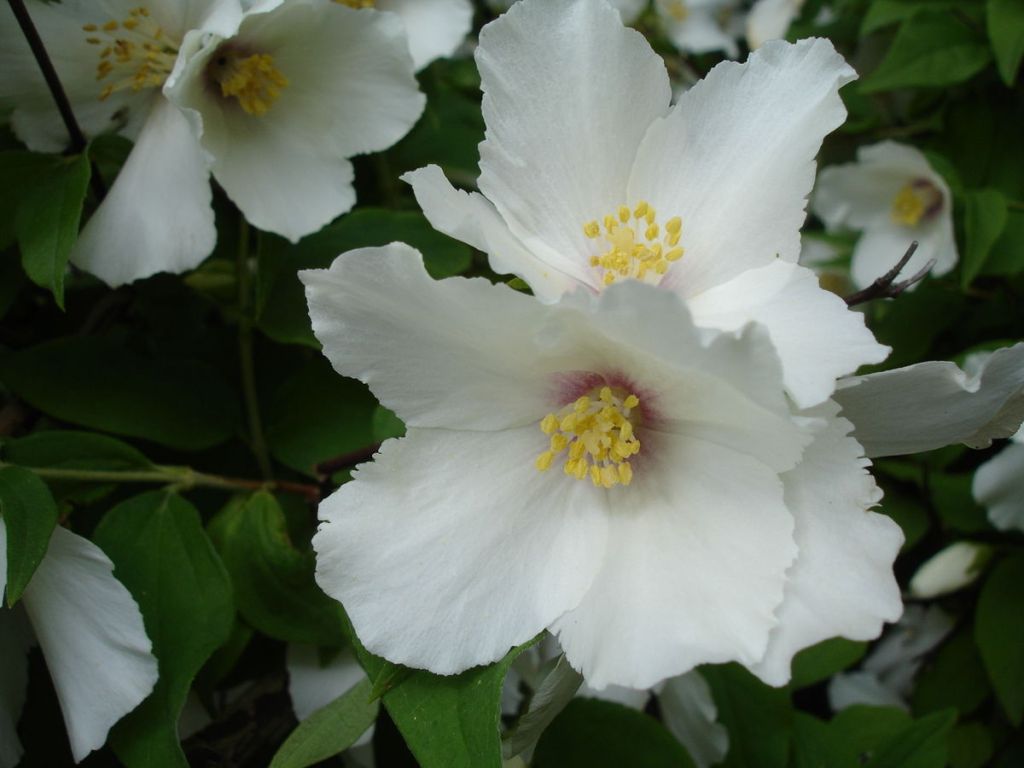
Philadelphus (Mock Orange) A scented shrub providing white flowers and attractive foliage in summer through to autumn. It is drought tolerant and very resilient in quite harsh conditions. However, it loses its leaves and is non descript at other times of the year.

Choisya (Mexican Orange Blossom) is popular in urban areas since it absorbs pollution. It doesn’t require any pruning per se and provides fragrant flowers. It does need some shelter and not suited to exposed sites. Early summer is the time it flowers, however, the leaves are attractive in themselves and its an evergreen.

Skimmia japonica offers fragrant leaves and white flowers in mid spring and berries in winter so a very beneficial shrub. Skimmias do not sit well in full sun. The more shade the better. The shrubs are drought tolerant and require almost no maintenance. The soil need not be humus rich. Their nutritional needs are low.

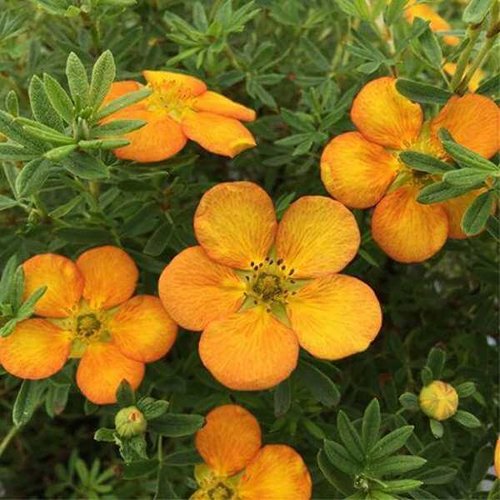
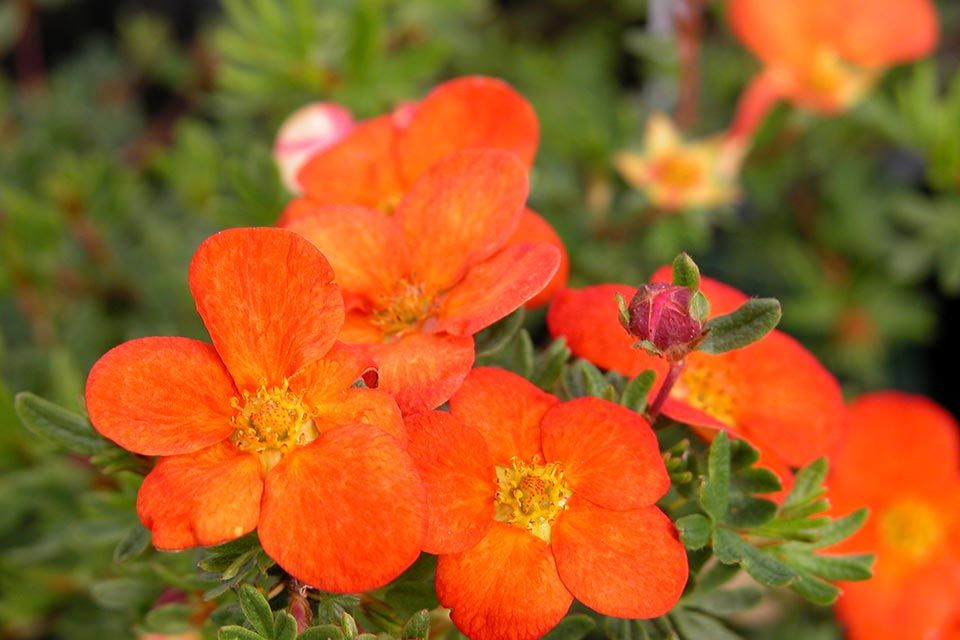
Potentillas are certain to attract wildlife and you have the added benefit of the lasting blooms. The shrub prefers full sun but a little shade helps the plant not over exert itself – it flowers for longer. it like most plants prefers a good soil but will tolerate poorer quality as long as it’s well drained.

Virburnums are a reliable choice too due to the fact that some can flower in winter through till spring and some even throughout summer. A hardy shrub of an informal habit will provide berries in the dormant months and highly scented pink and white flowers. A straightforward shrub that requires little maintenance save a clip here or there. It generally adapts to most soils as long as its free draining. It does well in sun but will tolerate some shade.

Spring Flora

Admittedly I haven’t planted any plugs or sown any seeds. Having said that, there are a number of spring flowering shrubs that offer an abundance of colour at this time of year.

Forsythia can tolerate partial shade and offer a startling spring show. It can become quite invasive though if left, so as soon as its flowered, cut it back to maintain its shape. Forsythias are fine in partial shade, not particularly drought tolerant – so prefer a moist medium but free draining too.

Camellias can perform in full sun although tolerant of shade. The aspect, however, must be sheltered and coveted from strong winds. The plant is an acid lover so the Ph is important. They’re are not drought tolerant either so in very extreme heat – the camellia will need additional water.

Daphne odora ‘Aureomarginata’ is probably the most commonly used since it’s an evergreen. It does need a little shelter, however, but provides heavily scented flowers from late winter through to spring.

Roses should be have been cut to a third or however much you thought necessary. All dead, diseased and damaged branches need to be removed. The old growth cut back to a bud / leaf node. This avoids branches suffering any dieback.

Deutzia is related to the Hydrangea as another spring flowering shrub. Deutzia is scented, Hydrangea is not. Hydrangeas have an insatiable thirst, Deutzias do not and if anything prefer well drained soil in full sun.

Virburnums too prefer a well drained location and are heavily scented. The shrub can flower from late winter to spring so may have already done so. Virburnums are relatively robust and withstand an exposed area. Virburnums prefer full sun but will tolerate partial shade. It’s an informal shrub and not meant to look trim.

Azaeleas are acidic loving and flower in the spring. The shrub is not drought tolerant though and will require sufficient moisture. The soil needs to be as water retentive as possible so organic matter needs adding to give it substance.