Winter Colour 2

There are plants that are principally known for their Winter show and largely non descript at other times. The plant can often be decidious and the flowers or berries borne on bare stems. These plants may have foliage throughout the year but this is not what they’re recognised for.

Hamamelis mollis ‘Pallida’ (Chinese Witch Hazel) bears fragrant Yellow flowers early in the year. It loses its leaves and the flowers are borne on bare stems. This is a very low maintenance plant, pruning would purely be to shape.

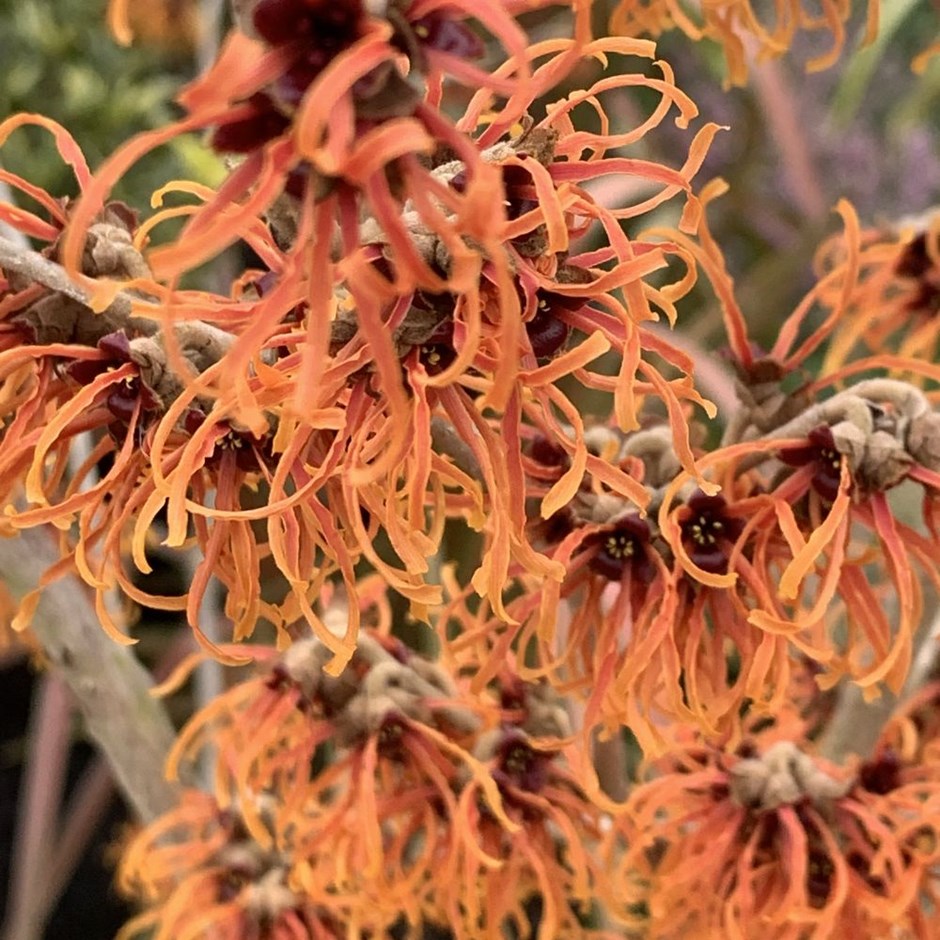
Hamamelis x Intermedia is a similiar Witch Hazel but a hybrid often offering Orange or Red flowers in the Wintertime. ‘Diane’ (Red) and Orange ‘Orange beauty’ or ‘Gingerbread’. The size of these shrubs often determines where they are planted. The back of a border is ideal. The shrub is slow growing and doesn’t require any maintenance. Hamamellis can cope in full sun or dappled shade.

Chimonathus praecox (Wintersweet) can offer highly scented flowers in late Winter into the new year. This plant is decidious and there is no foliage in the flowering period. It needs some protection and can not tolerate being in an exposed area. It likes full sun and well drained soil. No real maintenance other than removing dead, diseased and damaged stems.

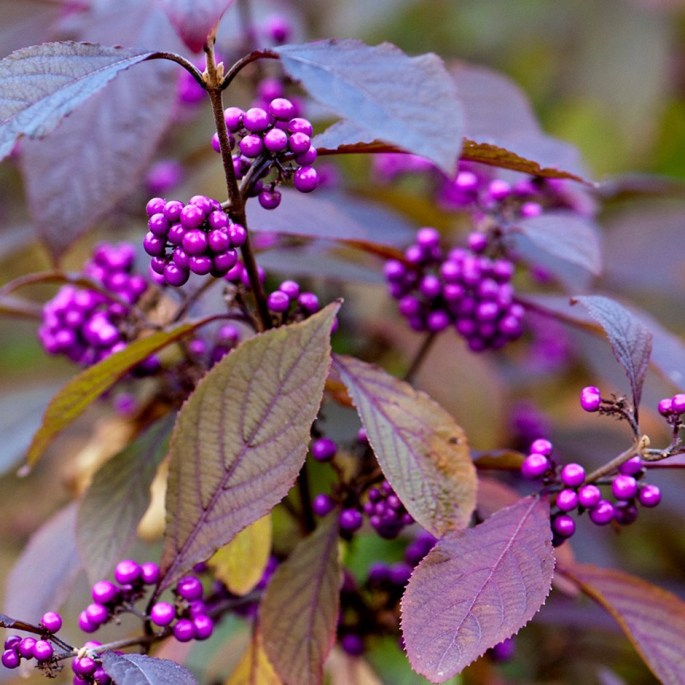
Callicarpa bodinieri flowers in midsummer but has an amazing show of purple berries in Autumn. Borne on bare stems, the berries continue long after the leaves are lost. It is quite robust despite having delicate characteristics and can cope in an exposed environment. This plant can tolerate most soils and is straightfoward to maintain. A superficial prune in Spring is all.

The (flowering quince) Chanomeles speciosa might not be an obvious choice but provides, fruit, foliage and flowers throughout the year. The flowers can range from a deep pink to a white. The plant is hardy and very easy to maintain. The only drawback is that the flowers are so shortlived. Little pruning is needed other structural shaping in the dormant period.

Daphne Odora ‘Aureomarginata’ while not Winter flowering, this decidious or evergreen shrub has attractive leaves and flowers in early Spring. The plant is flexible on the level of sun it needs but does need to be in a sheltered position.

Ornamental Grasses

These Ornamental plants are incredibly easy to look after. Most are almost self sufficient. Once in situ they offer texture, shape, colour and structure.

An example would be Cortaderia selloana (Pampas Grass). In the 1970’s, there was a popular trend in planting Pampas in a small frontage, then to find it 20 years on dominating the entire space. Each year the width increases so the plant should be cut 6 or so inches off the ground. The dead growth pulled out. This invigorates the plant, encourages fresh growth and curbs the size too. These plants are not nice to maintain, the sheaths of foliage are very sharp and must be handled with gloves. Division in the early years will manage the health and size too.

Miscanthus (Maiden Grass) is wonderful as it whistles in the wind and comes in different coloured foliage. M. ‘Zebrinus’ commonly known as Zebra Grass is a stripey variety. They add sound autumn colour and only need cutting back close in Spring encouraging new growth. ‘Graziella’ offers a Pink finish then turning silver. ‘Marlepartus’ provides Purple plumes and Silver in Winter. Most varieties are quite self contained and neat clump forming. Smaller varieties M . sinensis ‘Adagio’, ‘Gnome’ do usually have a smaller clump habit and would be planted in drifts. These both have quite dense foliage.

Hakonechloa Aureola ‘macra’ (Japanese grass) is a bright variegated grass. It has an arched habit, striking colour in its peak. It does provide an autumn brown effect when spent but then it does lose its leaves unlike some grasses. A striking red grass would be Imperata cylindrica (Japanese blood grass) again decidious. In early spring, the dead growth would be cut back to the base, other than this no maintenance. A softer choice would be Stipa tennuissima which is clump forming offering very fine foliage with delicate silver green flowerheads. Little to be done except the removal of dead growth and a “chop” in Spring.

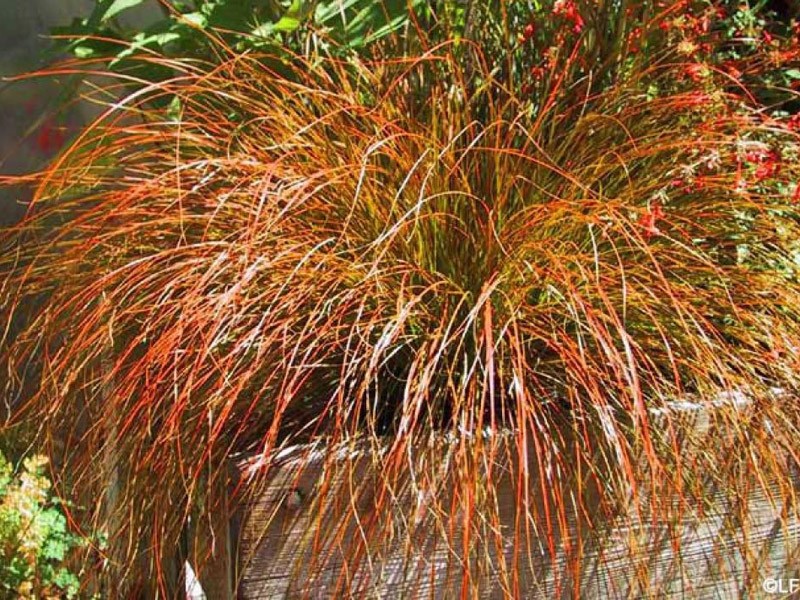
Arthropodium candidum ‘purpureum’ is an unusual addition that offers a contrasting effect to Browns or Greens. The plant has a show of Purple bronzed leaves and forms tiny white flowers as an extra element in midsummer. Carex (Sedge) buchananii (Brown) glauca (Blue/Green), Fescua glauca (Blue) all offer quite vivid colours. These too are effective as contrast plants. Carex dipsacea ‘coppertop’ can provide a bronze/rusty effect with specks of Orange appearing at tips. Similarly, Carex testacea ‘Indian Summer’ has a rusty, Orange glow at its peak. On the darker side, Ophiopogon nigrescens (Black Mondo) once in situ doesn’t need anything more than cutting rough ends off and can be left to their own devices. Drifts of them can be quite dramatic. The plant is quite small and so a large number is necessary for any impact.

Shrubs for Small Spaces

Foliage, flowers and berries can all be achieved despite having a small area to play with. There are Conifers, Pines and Junipers which are slow growing but strictly speaking not dwarf. Thuja Teddy, Picea glauca conica and Juniperus green carpet. it’s more they stay smaller for longer. There are, however, compact shrubs that stay in this habit and need little pruning.

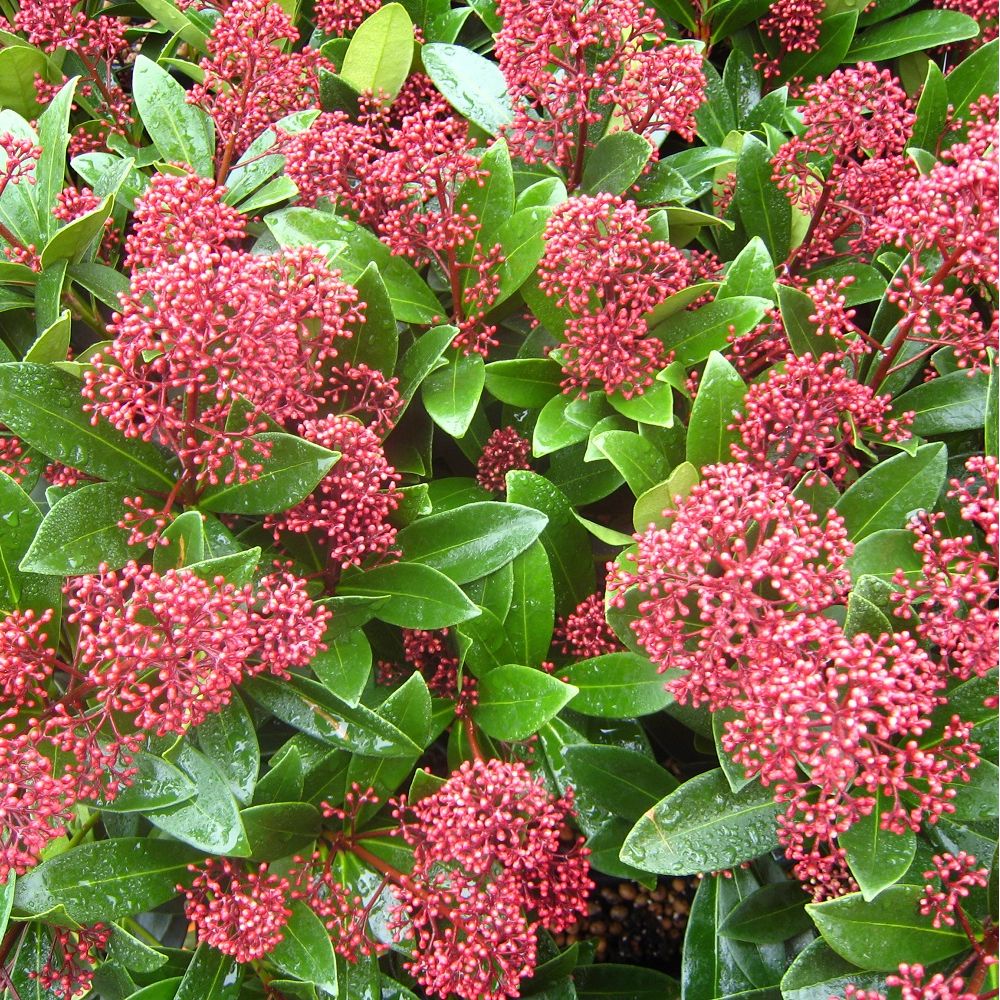
Skimmia japonica offers flowers, aroma and berries at different times of the year. Skimmia dislike full sun but too little, they can become leggy. The aspect should be slightly sheltered too. This shrub can be grown in a container and to do so would control the size. They do prefer a more acidic environment and so if necessary its habitat regulated.

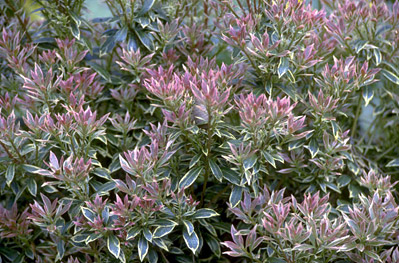
Pieris japonica is another choice that can be containerised or planted in the ground. This shrub has interesting foliage that changes from red to pink to cream. It’s an evergreen so provides interest all year and in spring will bear cream flowers. The shrub is hardy but still needs a sheltered spot. It needs sun too. The soil must be on the acidic side and be well drained.

Acer palmatum or Japanese maple come in a variety of sizes. Some are small trees and some larger. A. palmatum ‘Ever Red Tree’ is a dwarf variety that is ideal for a pot or small area. It has a weeping habit and bears attractive leaves. The shrub doesn’t cope well in full sun so partial shade is better.

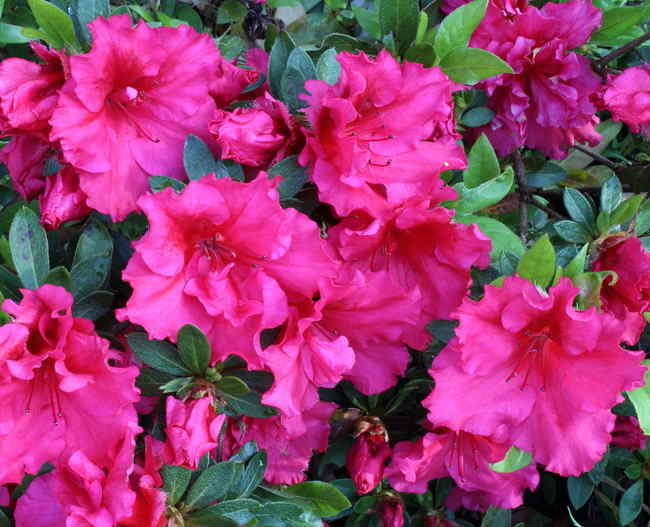
Azaleas/Rhododendrons come in a variety of sizes. These ornamental shrubs are related but still recognised in their own entiriety. The varieties you would choose would be those suited to rock gardens. R . ‘Percy wiseman’ a semi dwarf offering a pinkish display flowering in succession through a range of colours finishing with a creamy white. Equally, a true dwarf – R. Princess Ann flowering from mid to late spring offering yellow flowers. It will cope in full sun and withstand quite severe conditions.

Spirea is a decidious shrub that flowers in summer can be kept to a reduced size with little maintenance or care. It has an average growth but cutting it back each year will benefit the plant. It prefers a full sun to partial shade aspect but generally will cope. It is quite flexible on the soil it prefers, the aspect too, just that it dosen’t like sitting in water – most plants don’t though – so well drained.

Potentilla ‘Bella Bellisima’ (Pink) or Bella ‘Sol’ (Orange) a small shrub requiring no maintenance at all other than a top snip after flowering. This is for aesthetics as much as a quick dead-head. Potentillas tolerate poor soil. All that they ask is than they have adequate sunlight and are in well drained soil.

Low Risk Perennials

Good housekeeping of plants/sufficient air circulation can cut the risk of disease and fungal infections but some plants are naturally resilient. Perennials with this trait can be incorporated in the open space and have an impact on neighbouring varieties. While these are not free from problems, under the right conditions very easy to keep.

Phlox can be scented and provide you with summer flowers, the varieties mostly through to autumn. Pinks, purples and whites. Some mat forming and some upright. The perennial is good in most aspects although they need a certain degree of sun. P. ‘David’ is resistant to powdery mildew.

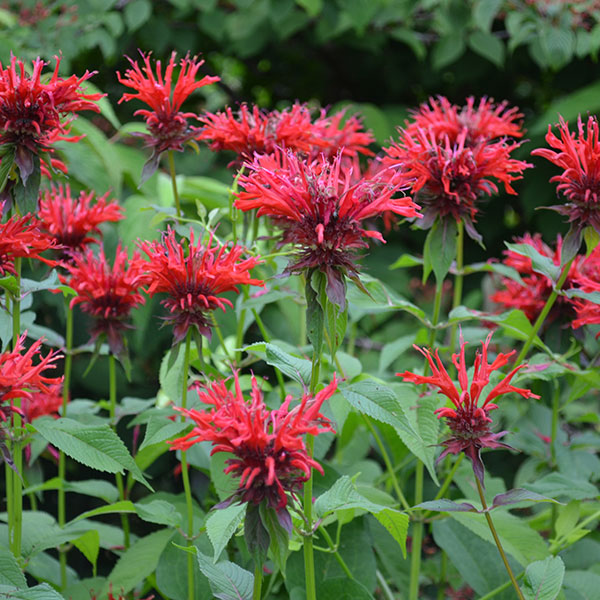
Monarda (Bergamot) a perennial in mid summer to late. Aromatic flowers with a clump forming habit. It is suitable in most aspects, the only condition is the plant is not keen being wet so well drained soil. In certain conditions it can be susceptible to powdery mildew but only if the air circulation is poor and this is easily avoidable. Varieties are more resistant than others. These include ‘Petite Delight’, ‘Colrain Red’.

Paeonia – garden and tree. The soil is important, they tend not to like acidic soil so balanced conditions. Peonies don’t like sitting in moisture so well drained too. Hybrids can often be more resilient and cutting down stems each season will help keep pests at bay. The most important point to remember about Peonys. They don’t like to be moved. P. ‘Scarlet O’Hara’ gives a show late spring to summer.

Sedums are perennials but also succulents due to their fleshy leaves. So these plants are often good in dry conditions and drought tolerant. They provide attractive foliage and flowers, they like full or partial sun at the very least. These plants are low maintenance but very effective. They attract beneficial insects too.

Geraniums are very good at the front of borders, the smaller varieties anyway. These generally are hardy and need minimal maintenance save cutting back spent growth. G. ‘Rozanne’ will provide flowers throughout summer. A condition is that the soil is well drained and they get sun. G. Macrorrhizum will give you aromatic foliage early to mid summer and are white rather than purple.

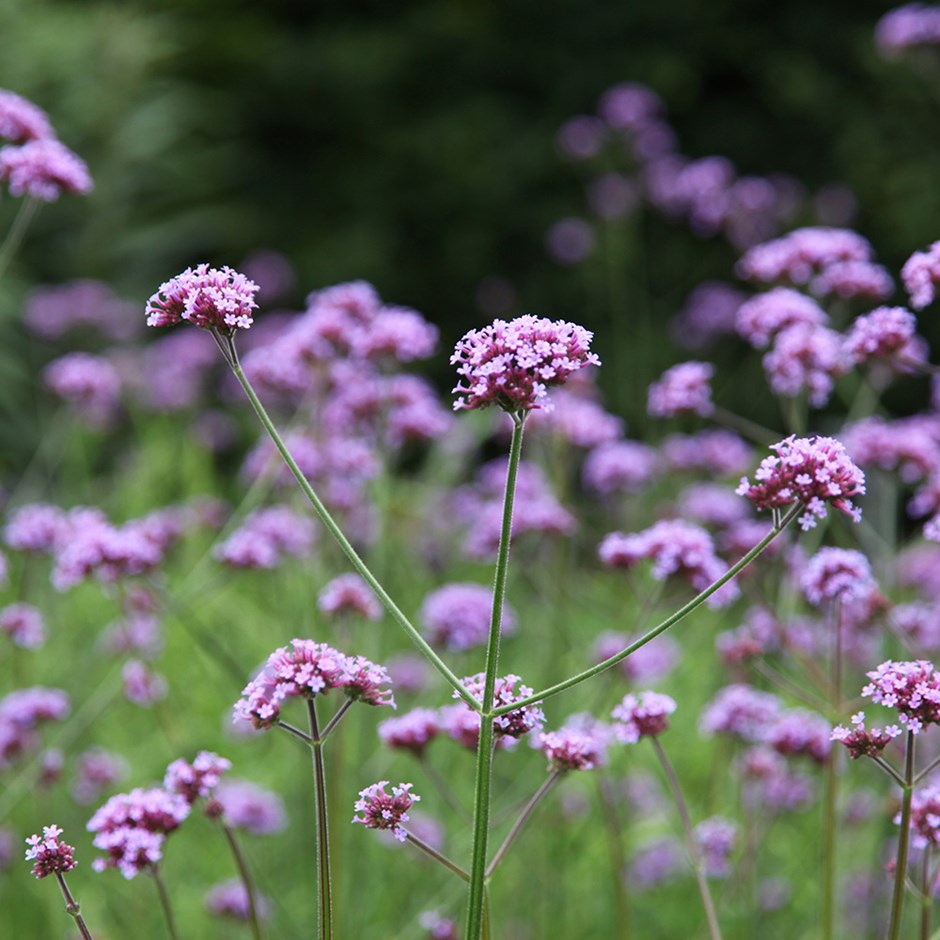
Verbena offers attractive lilac flowers in late summer. It encourages beneficial insects too. It needs some shelter but the stems are relatively tough. V. bonariensis is quick to establish and can be put almost any position because of it’s habit. It will not block out other plants. It is probably best to cut back when new growth appears in spring. Again, for this plant powdery mildew is usually what thwarts it and with good housekeeping this can be avoided. In warm, dry weather the spores are likely to be more active.

Easy Maintenance Shrubs

An ideal method of planting would be to incorporate those flowering, providing foliage in your garden and needing no care at all. Right? Of course, only if you like them! With careful planting, you can achieve an amass of colour throughout most of the year with little pruning and no special time to do it.

Weigela is a shrub that seems to becoming popular again. It loses its leaves in winter but provides an abundance of colour in the summer months. The more sun it gets – the more flowers you’ll have, but it will cope in partial shade. Pruning is needed to retain shape but it accepts minimal interference. It will need to be cut back to a bud or leaf node after flowering. This will be off last years growth. No other care is needed.

Cistus – an evergreen which flowers so much you never notice the petals are spent. A plant which is good in poor soil. It prefers a full sun aspect (as in it’s name – sun rose, rock rose) and can cope with dry conditions. They are stable in adverse conditions (toughened to the elements), although protection in cold and exposed areas is advisable. No pruning is necessary since if the growth gets too woody, it is better to remove and replace. The growth ceases to regenerate in its normal fashion.

Potentilla will come in many colours (oranges, whites, reds, pinks and yellows) and flower in late spring to end of summer. The plant is low maintenance and generally trouble free. The pruning is only to keep the size down or a quick snip on top for aesthetics. If in doubt, prune plants after flowering when you want them to flower as normal the following year. Potentillas are fully hardy and need little care. As long as they are not in complete darkness, partial shade is fine. The plant is decidious and from autumn to spring they are dormant plants. The plant will tolerate poor soil and no nutrients. It will source its own. If anything it’s wild form can be found on damp cliff edges and embankments, waste sites or neglected areas.

Forsythia is a shrub that provides flowers followed by foliage in mid spring. The plant will thrive in full sun but can cope in partial shade. It can be used as a hedge although often it’s an upright shrub. It normally copes in most soils. The plant will need some maintenance but requires no technical expertise. It needs to be pruned only to retain its shape and size. Cut back to shape after flowering and remove some stems altogether from the base to encourage circulation and new growth. It can become invasive if ignored, so do keep it trim each year.

Junipers, both the ground cover and shrub variety can be left and will provide the foliage interest you were after. When they’re established they can withstand quite adverse conditions and tolerate a dry environment. Junipers are tolerant of most soil but need light – to deprive them of this will afflict their growth. Their shape will become distorted and cannot be reversed. There are several varieties growing from the ground cover – J. horizontalis to J. chinensis of small, large and upright tall.

Euonymous fortunei will provide you with a number of cultivars that can be adapted in your open space. ‘Emerald Gaiety’ a small busy shrub but can climb if trained by a wall. ‘Emerald n Gold’ a yellow and green variegated evergreen that will appear pinkish in the colder months. ‘Silver Queen’ a larger example. Its foliage slightly different. A cream and green variety wih a bushy habit but will have a pinkish tinge in winter. These shrubs, carpets and climbers (compact or mound forming) only need to be pruned to the desired shape. The variegated foliage should continue to regenerate in this form. If a solitary green shoot appears this needs to be cut out. It is the plant reverting to its original form before it was crossed.