Floral interest

An attractive bouquet of flowers are pleasing to receive, having a shrub giving continual flora for a period is a breathtaking sight. Plants provide you with colour all season long, flowers in such profusion. The plants blooms are their saving grace.

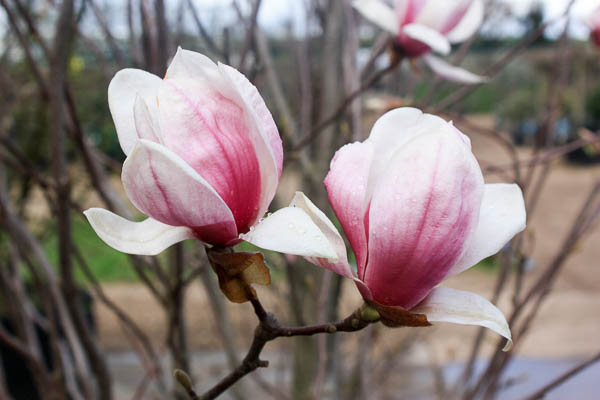
Magnolia soulangeana is a shrub that offers tulip shaped flowers fusing a number of colours together (pink, white and purple). It is scented, not hugely though. It flowers in spring, and can sometimes cusp over to summer. The plant is reasonably quick to establish but will keep its shape relatively well without much maintenance. The plant can cope with drought conditions although excessive light can damage flowers and leaves. The base needs a degree of protection, so a layer of bark, mulch or any organic matter will help retain its moisture and provide shade.

Magnolia stellata – the flowers couldn’t be more different but equally as eyecatching as soulangeana. The plant bears white, star-like, highly scented flowers. It is a hardy large shrub/small tree and its flowers appear before leaves like soulangeana. It prefers a sheltered spot due to the damage cold winds can cause. Therefore, a warmer aspect is advisable.

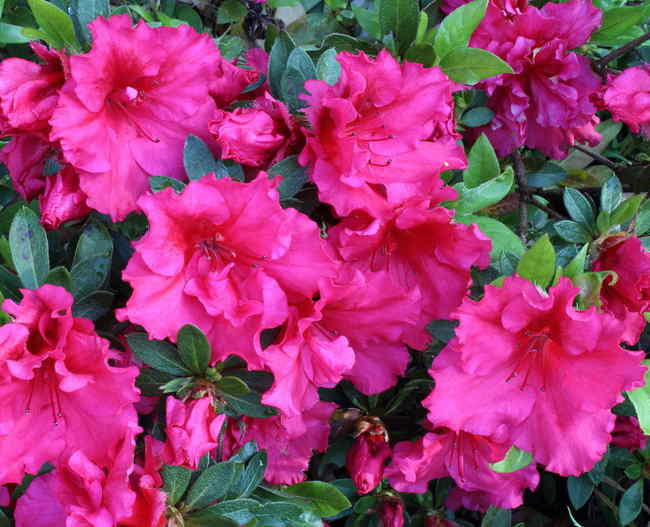
Azaleas are an acid loving shrub that flower in such profusion late spring into early summer. If in warmer climes – in extreme conditions all through summer. A number are scented but it’s the colour that makes them memorable. The plant is related to the Rhododendron.”You could say an Azalea is a Rhododendron but a Rhododendron is not an Azalea”. If you work that? It refers to an unresolved debate.

For Camellia, a dappled, partially shaded area is ideal. The plant is easily burnt by direct sun. C. sasanqua is the group that flower in autumn and usually more susceptible to winter damage. This kind tends not to be as hardy and requires some protection. The japonica’s and x williamsii are spring flowering, although the plant prefers some shade, if the base of the shrub is in shade the plant can tolerate being in direct sunlight.

A mountain shrub, they are resilient but do encounter problems. The browning of leaves, a discolouration and curling can be indicative of a fungal infection/scaley bug (evidence of this on underside of leaf) caused by too much moisture. Good drainage can alleviate these problems and other disorders linked with saturation. No direct sunlight and free draining soil is a must.

Daphne Odora Aureomarginata is a heavily scented specimen which will provide fragrance and attractive foliage through spring (some species or year round). The soil is better on the chalky side, this being alkaline but provides you with a plethora of colour. It needs some shade but a sunny spot is desired to really thrive. The only maintenance really is to retain shape.

Hydgrangeas make marvellous cut flowers. Pink, blue and some are white. The oak leafed (Hydgrangea quercifolia) is more resilient and perhaps more attractive in its foliage, good in drier conditions and more robust than the typical variety. If you leave them later than after they have flowered, you might think of spring to give them a crop. It takes some of the buds away but the plant will thank you. It won’t get woody and regenerate new growth. Cut all non – generative growth out or stems that appear to have no life before and after blooms.

Office Plants

Plants in offices are difficult. Someone has to feed, nurture and maintain their vigour. However, with careful calculations to light, attention and growth habit – it can be achieved easily (in house).

The factors to consider are space, shade, artificial lighting and problems caused by air conditioning. Plants make it clear when they need water. With these plants, a high humidity level is needed, so a spray of water into the atmsophere is enough.

Dracaena burley (Dragon plant) – it tolerates light shade and requires little watering. It can cope in drought conditions, though not for prolonged periods. It can equally adapt to cooler temperatures for short periods but not below 12c. No pruning except to control growth.

Pachira aquatica (Money tree) it can cope with artificial light, in fact it needs some shelter from direct sun. It prefers high humidity and temperatures not going below 10c.

Nephrolepsis exaltata (Boston fern) a plant that enjoys humidity and regulates it too. Neither a cold aspect nor a hot one, so away from machines / equipment that dry it out. It’s shade tolerant and has purifying benefits. This plant likes moist soil but not excessive.

Maranta leuconeura (Prayer plant) – It likes full to partial light. It will not tolerate shade / wet soil. A mist of water occasionally will appease its dryness or when it becomes discoloured. This plant survives on being rootbound. By its habit, it does not require repotting as long as the size of the pot is substantial enough not to overbalance. It purifies the air too.

Adiantum rubbelum (Maidenhair fern) versatile because of its ability in adapting to different environments. A sheltered aspect outside with partial shade – it likes its moisture, so inside, partial sun in a direct spot.

Chamaedorea elegans (Parlour palm) – A shade tolerant plant, it can cope with fluctuating temperatures caused by equipment and heating. However, it will need a degree of humidity and a feed every week or so. It needs more water than most drought tolerant, but must be free draining. It will not tolerate saturated soil.

Zamioculus zamiifolia (ZZ plant) It needs little attention other than a shaded area. Shaded and cool, but not cold. It will not cope going below 8c. A plant that will cope with most conditions but avoid direct light. It is a drought tolerant plant and generally low maintenance. It’s effective in filtering air.

Sansevieria trifasciata (Mothers tongue) this plant as the others has filtering attributes. It will keep fresh air circulating and improve the quality of the atmosphere. In a confined area, it is capable of coping with shade, little care and almost no water. It is not good in a chilly spot or one with a strong draught. Its downfall is probably fuss and to overwater will kill it.

Drought Tolerant

In the summer, plants often suffer as a result of rising temperatures. Like us, they need adequate hydration. However, mediterranean plants usually cope well with little water – cistus / hebe and ornamental grasses. Miscanthus, some festcues and bamboo are resistant to these conditions. Those with fleshy leaves – succulents and alpines.

In fact, these plants tend to be deeply rooted so they source their own moisture and can often survive in poor soil as well.

Rosmarinus officianlis (Rosemary) is a herb but effectively used as a shrub. It does like full sun and generally problem free. A light prune after the frost is advisable. The plant will look killed off but underneath there will be hidden growth. If it’s pruned too soon, it will affect its regeneration. It offers aromatic leaves and flowers at varying times based on your climate.

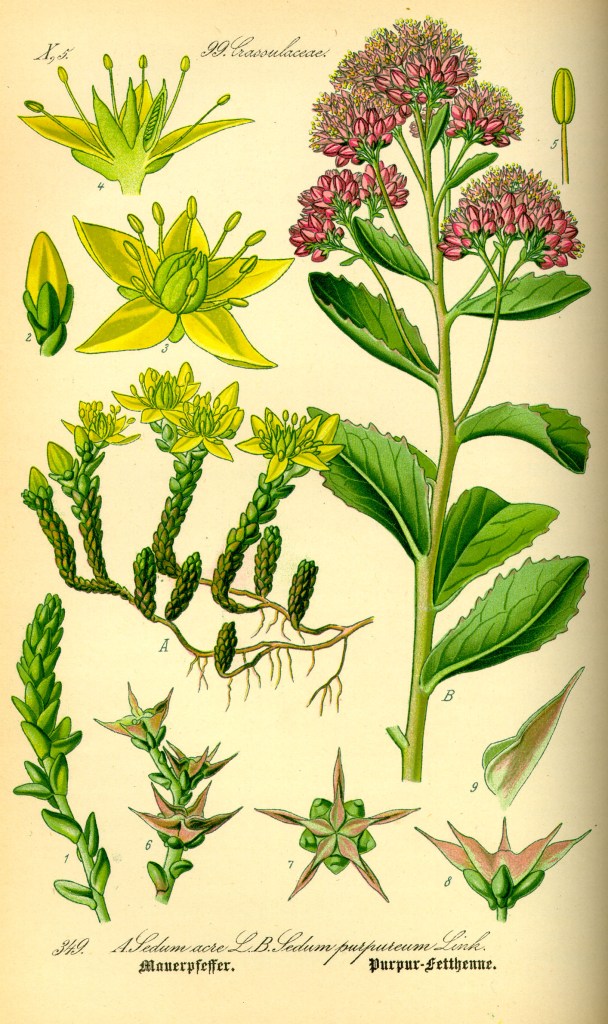
Stonecrop (Sedum) is a very good choice in free draining soil. It does like full sun and is self sufficient and low maintenance. The plant can cope with partial shade but not full. The only maintenance to be done is to remove dead growth in spring. Periodically, dividing the stonecrop will increase numbers and help with the vigour of the plant. It doesn’t cope well in wet soil though and susceptible to root rot. It is gaining in popularity as cover used on roofs encouraging biodiversity.

Lamb ears (Stachys byzantina) offer attractive silver leaves that are velvety to the touch. It does flower, but its textural qualities are more what it’s known for. A ground cover or mixed border plant, it does like full sun. It is, however, particular about moisture. It will not cope with over watering and well drained soil is needed.

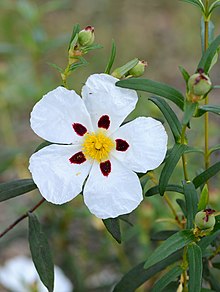
Cistus (Rock rose) – this evergreen requires little maintenance save a light prune after flowering. The plant prefers well drained soil and often found in rockeries because of its resilience to poor conditions. Full sun is preferred and will provide with you with flowers all through summer. An interesting fact – the flowers only last one day but colour in such profusion, you don’t notice they’re shortlived.

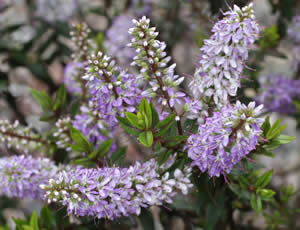
Hebes are generally hardy evergreens. H. ‘summer blue’. The only maintenance is retain its shape and remove the flowers. The flowering time usually is summer through to autumn. If you have a less hardy variety. H. Tricolour, a variegated one, you need to take out any dead, diseased or damaged wood as spring appraoches. It may flower until December. H. ‘Simon Delaux’ also flowers late into winter.

Ceanothus (Californian lilac) known for its drought tolerance and provides an abundance of colour from spring to summer. C. ‘Marie Bleu’ flowers later. The plant prefers a drier soil. A full sun aspect too. It is an evergreen, the only maintenance is to remove dead, damaged or damaged growth. Other than this, no major pruning is necessary. It’s self reliant and prefers no fuss. The leaves are attractive, the flowers and the fragrance too. Normally the flowers are indigo blue, although certain varieties like ‘Marie Simon’ are pink.

Top tips on storage organs

Above ground, plants usually grow within an upright habit or clump forming pattern. However, below ground, root structures vary immensely. Roots can be lateral or fiborous, but the organ that stores the goodness is intentionally underground as a safety measure from animals or environmental conditions.

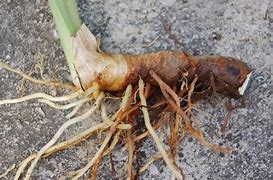
Corms are usually smaller but similar to bulbs. Montbretia / crocosmia (or often associated with red ‘Lucifer’ montbretia and crocosmia orange flowers. This plant usually flowers summer to early autumn. It likes full sun, well drained soil and can cope with drought conditions. The benefits are delicate flowers and little maintenance – the corms multiply by themselves. The method to propagate is divide the cluster. This also helps with regeneration and performance. After flowering, just cut back spent growth and the plants will regenerate the following year. Corms include watsonia species, gladiolus and crocuses: all flowering in spring.

Bulbs can be differentiated by the scaly coating on corms. The organ corm tends to be smaller, in a cluster too. True bulbs include narcissus, agapanthus, tulips, snowdrops and alliums. After flowering, these plants need to be left for the nutrients to return to storage before cutting the spent growth back. An indication is when the debris flops and sags from the plant or several weeks after. It can be a pain if naturalised in a lawn but important to adhere to. If the growth is cut back prematurely it can impede the following years performance or the plant may come back blind (without flowers).

Rhizomes usually are close to the surface. The stems run horizontally sometimes just protruding on the soil surface. Bergenias (elephants ears) are a rhizome. The leaves when spent should be pulled of to prevent rotting on the surface. A low maintenance, drought tolerant perennial. Pink, spiky flowers will give you a show late winter to early spring. Its leaves, large and attractive with a purple-red tinge. Other rhizomes include irises and ginger, water lillies and bamboo.

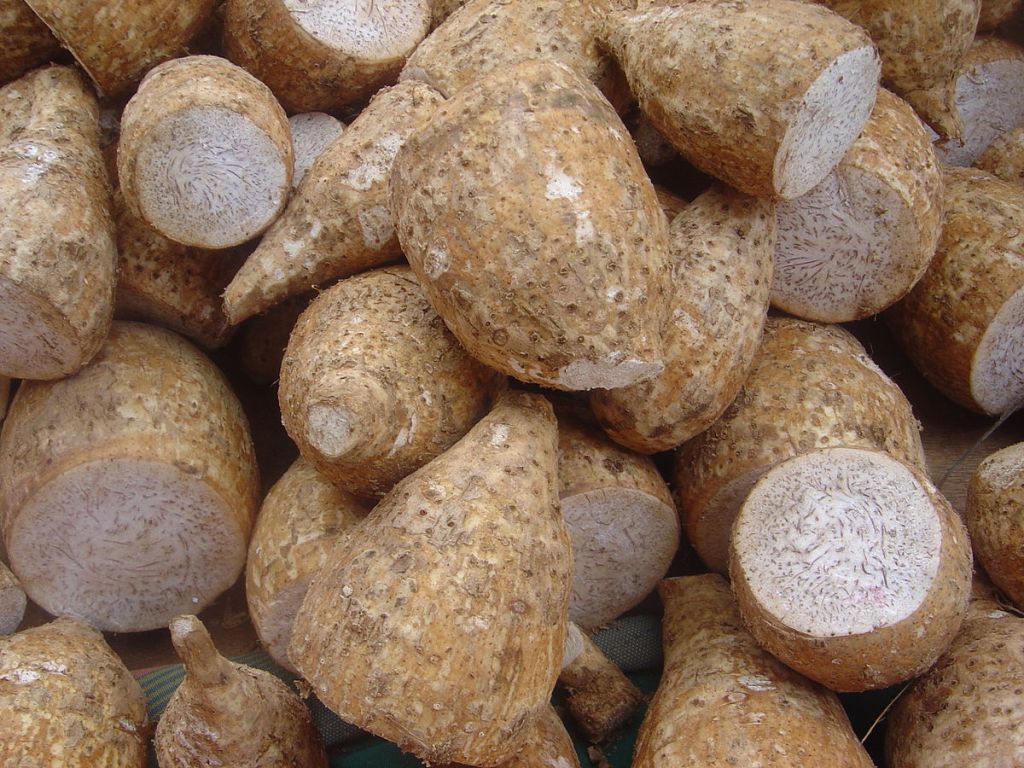
Tubers are vessels formed from the parent plant itself. A swollen stolon will produce offshoots. These shoots will form the new growth from the original plant using its nutrients. The new growth then disperses for its season leaving the debris of the parent plant to decompose. These organs can be divided in late summer to early winter and is why you should really dig up your dahlias. For this reason, and the plant has a tendency to rot in wet soil. Cyclamens are tubers too as are potatoes which most would know.

Shallow Roots

There are benefits to shallow rooted specimens if you have limited space/ the quality of the soil/the root zone depth is not sufficient. Most plants by their growth habit will penetrate their roots far below the surface. Some will have lateral (branching of from main stem) and some fiborous (fine, feathery roots). These are designed to source nutrients, water and find an available space to develop. However, It can be a problem at times, if roots are close to the surface leaving them exposed, vunerable to the elements and potential harm caused by animals or other external disturbance.

The benefit is that stem cuttings can often be used as the method to propagate successfully. The plant can be transplanted without fuss and generally can be moved at the right time without any problems. These plants can be often quick to establish and straightforward in nurturing. This can be a nuisance, when the plant is too happy and can become quite invasive.

All ash have relatively shallow roots but are not keen on being moved so an exception to the rule. (Fraxinus – woodland and Sorbus – mountain). The contorted Willow, as with all willows, is very close to the surface and can be easily damaged by aggressive winds. In fact, the closer the plant roots are to the surface, it will affect what you choose to plant in that area if anything at all!

Mahonia (x media/winter sun) will give you a show of flowers from late winter to spring and as an evergreen provides attractive foliage all year round. The only pruning is to retain the shape so a thinning exercise periodically is needed. It does prefer a shaded location, but as long as the soil is moist.

Hydrangeas – by the very name, these plants need a lot of water which is why it is unfortunate they’re shallow rooted. The plant can be affected by sun scorching and often intolerant to drought conditions. Hydrangeas like sun to partial shade. The colour will depend on the Ph level of the soil. What natural aluminium resides in the soil. The more acidic the soil, the more likely the hydrangea is blue. The more alkaline the more likely the flowers are pink. Hydrangea quercifolia – the oak leafed hydrangea offers white flowers from summer right through to autumn. The attractive foliage from spring. It prefers a slightly more acidic soil.

Azaleas prefer light shade but are a contender for any border. Similar to Rhododendrons they are shallow rooted and can often be containerised to ensure the soil is suitable for them. Rhododendrons do prefer a partially shaded aspect and a little sheltered. They do have a tendency to become leggy within, so an annual prune will retain the plants vigour. This plant is acid loving and must be planted in ericaceous soil to perform well. A spring flowering shrub that provides fragrance and flowers April onwards.

Virburnum offer a number of functions. This plant will attract both beneficial insects and habitat for wildlife in the winter months. Virburnum x bodnantense is a variety that is scented too. so a productive shrub. V. tinus, as an upright bush or effective hedge offering foliage, flowers and berries offering the same benefits.

Some Climbers as Honesuckle and Jasmine do have shallow roots. The plants have a mat forming growth habit under the surface that give the plant stability. This extensive habit is very dense and highly effective. It has no need to penetrate further down.