Perennials (Red, Yellow and Orange)

Colours that do often go well together are these hot combinations

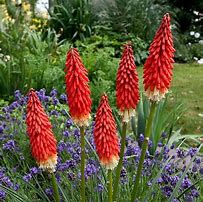
Kniphofia (Red Hot Pokers) a structural addition to any mixed perennial bed. These, adding height, don’t need staking although they do prefer a sunny spot. These perennials are quite tolerant of dry conditions. They will need water but don’t sit well in wet soil so a well drained consistency is needed. Periodically, this perennial needs dividing to keep the vigour and flowering ability. The size also needs control. They can become invasive and do take up room.

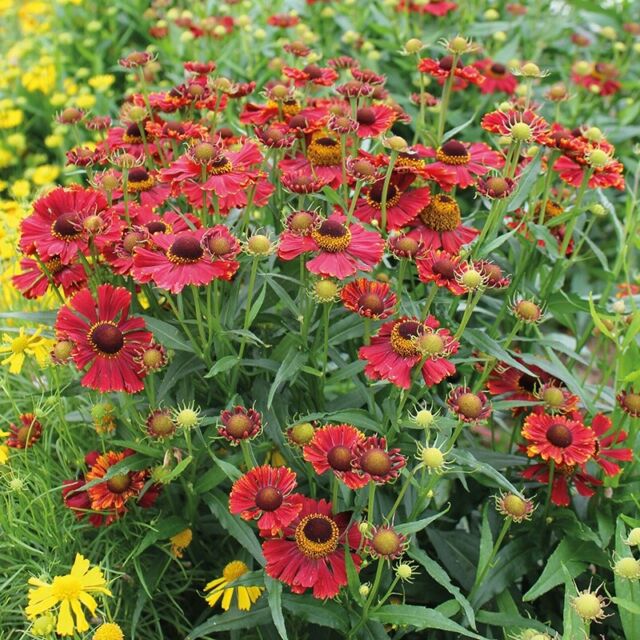
Helenium (sneezeweed) offer interest to beneficial insects. This perennial is fully hardy and tolerates quite severe conditions. Although they look rather like a sunflowers they are not. This perennial prefers an acidic soil and flowers during the summer. These daisy like flowers will offer an enrichment of oranges, reds and yellows. It is clump forming so it can be divided. These are usually tall and suit most borders but H. ‘Mardi Gras’ needs to be at the front, it is smaller.

Monarda (Bergamot) the foliage is scented and beneficial insects love this. The soil needs to have substance but not water retentive, good drainage is needed. Its performance is dependent on full sun. M. ‘Cambridge scarlett’ however, will do well in shade. It will flower throughout summer into early autumn.

Hemerocallis spp (DayLillies) the flower that only lasts a day. However, the flowers come in such profusion, this perennial offers different flowering varieties with some quite early H. lilioasphodelus to late H ‘Frans Hals’. The cultivars have improved and now day lilies are more robust to adverse conditions and available in many more colours (hot) and (cold). A summer flowering perennial, its period is quite lengthy and doesn’t really require any attention, cutting back spent stems and maybe division in spring. This will produce more plants but their energy will be restored too.

Rudbeckia (Black eyed Susan) is a perfect addition to the perennial bed although these do prefer sun. Some partial shade is O.K. but not full, they will not do well in a chilly corner. You can divide although the seeds will come true too. It will flower throughout summer to maybe September in the right conditions. These perennials are hardy but if dividing do so this before winter (so they can acclimitise themeselves) or in spring after the cold snap. It is beneficial to do before but not essential.

An interesting discovery only recently unearthed is the Isoplexis plant. It is in fact a foxglove, but a tropical one. The canary island foxglove will provide you with a flowering period when most have ended. Late summer to early autumn. It is also effective in attracting beneficial insects. Strangely, for a tropical plant it is quite hardy tolerating temperatures – 5. It will need some protection certainly from cold winds though. It will give both attractive flowers and foliage. Full sun or maybe partial sun at the least.

A very hardy specimen which without fail will perform is Crocosmia / Mobretia as it is otherwise known as. There is common variety which does the job but there many cultivars now which have particular charcateristics. C. X Crocosmiiflora ‘George Davidson’ which has yellow flowers. C. ‘Emberglow’ which has a combined orange and yellow. C. ‘Lucifer’ is the most popular. The colours of red and orange will provide effective drifts in most perennial borders. It is a very hardy plant. It will survive in all conditions, all soils. It’s a “corm” so the cluster of tightly packed bulbs can easily be divided. Over the dormant period you might cut the spent growth off but otherwise self sufficient, you will probably find yourself reducing the cluster and pulling it out.

Perennials (Blue, Purple and Pinks)

When deciding on herbaceous perennials in a border, it is worth mentioning to decide how it will be seen. At a 360 degree or head on or at an angle. A characteristic of herbaceous schemes is varying heights so you don’t want something upright and staked masking something mat forming. Herbaceous perennial is a term for plants that die back in dormant months, and usually cut at base level. The goodness returns to their storage organ, the following year they return.

Upright (require staking – not essential / advisable. The plant won’t be damaged by being top heavy or by high winds).

Delphiniums like sun but do require a little shade. The perennial can suffer if overfaced with very dry conditions. It will flower late spring to summer and it needs deadheading to prolong flowering. Every couple of years, divide the plant to retain its vigour. Delphinium elatum ‘sweethearts’ good for beneficial insects, pink throughout summer. If you cut back immediately after flowering, you may get another swathe.

Hollyhocks have a single stem with flowers hanging from it. After the flowers are spent, the plant needs to be cut to the base. It is good houskeeping, will reduce disease but the perennial benefits too. Strictly speaking a biennial but in the right conditions it can return. It’s suited to a sunny aspect, well drained soil. These plants need support.

Penstemon ‘Blue Spring’ is a good all rounder but may still need a little more protection. It will do well in full sun and in a sheltered aspect. It is easy to grow but to ensure the soil isn’t saturated and not too poor.

Cosmos provide flowers from summer to early autumn available in pinks, reds. By dead heading you will prolong the flowering until the first frost. The plant doesn’t require any particular care and they’re tolerant of poor soil. If you don’t dead head though they will stop flowering. Cosmos atrosanguineus ‘Chocamocha’ is an exception to staking. more compact in its habit.

Phlox paniculata ‘bright eyes’ comes in pink but a variety of other colours, sweetly scented throughout summer, it attracts beneficial insects and free standing.

Echinacea provides flowers throughout the summer, requires no staking. Although upright, these perennials are robust and self sufficient. It is fragrant and attracts beneficial insects.

Salvia nemorosa is a hardy choice, providing aromatic foliage from late spring right through summer. A very straightforward perennial. Shave the top growth in spring and the plant willl come back with luscious growth.

Mat / clump forming (compact habit or sometimes spreading).

Nepeta is a low maintenance perennial. All it needs cutting back at the end of the year. It needs sun and a chalky soil, so full of substance. Common name ‘catmint’ since cats like rolling on it. It will attract beneficial insects, providing you with colour from late spring throughout summer. Again, dead heading this plant will encourage more flowers. It has a spreading habit so this needs to be at the front of a border.

Geranium or ‘true’ Geraniums are perennials. There is a bit of discussion on this. Those with ringed leaves, heavy aroma and furry leaves could be described as a ‘Pelargonium’. This is something else. It is very straightfoward to look after just not in wet soil. It will tolerate shade but performs better in full sun. It is drought tolerant and will survive in adverse conditions. It roots system will spread underground.

Sedums are a succulent but used in perennial borders. A compact cluster of stalks. It doesn’t require any support and provides pink flowers. A very hardy perennial that gets cut at the base in dormancy. It can be divided to multiply and benefits the storage organ.

Dianthus (Pinks) or carnations as the cut flowers are referred to. Clump forming of pink, red, white, purple. A grass like foliage, it will provide scented flowers through late spring and summer. The plant is drought tolerant but the more irrigation it gets in full sun, the better it will do. At the front, low growing.

Vinca (Major and Minor) generally speaking the difference is the size of foliage and flowers. Periwinkle is ground cover, mat forming and provides purple and white flowers spring into summer. What it does not tolerate are very dry conditions, not drought tolerant. Ideally to be in partial shade in well drained soil and some moisture is a bonus.

Osteospermum jucundum var compactum will flower mid summer to autumn, a spreading habit these perennials will fill in gaps where weeding would otherwise be necessary. A low growing habit, they like sun and water. They sometimes don’t survive a cold snap which is why they are considered a bedding / annual but with the right conditions they will come back.

Plant combinations (Blue, purple and pink)

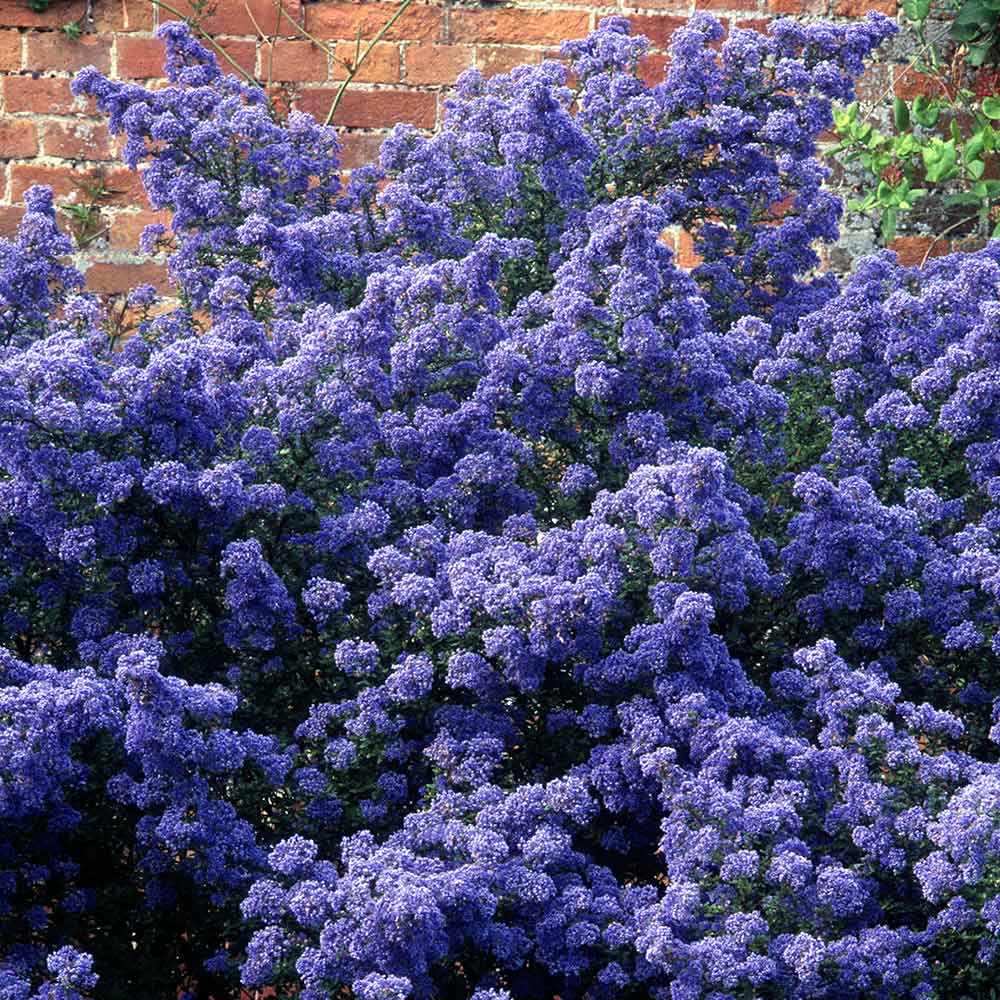
Ceanothus (Californian Lilac) is a highly scented shrub. An evergreen, it provides flowers and attracts beneficial insects. It prefers a full sun aspect but can cope with partial shade. It flowers early to mid summer. Pruning is very similar to Lavender. After flowering, just take the top off lightly.

Lavender is a popular choice mainly for the scent. It does prefer an alkaline soil so on the chalky side. It needs to be free draining so lighter is better. There are French (Lavendula dentata) and English (Lavendula angustifolia) varieties and their characteristics make them separable. French have little ears resembling those of Rabbits, slightly lighter lilac colour, more frost tender. English is a deeper purple and the plumes are upright. Prune the top growth after they have flowered or in spring when it has warmed up. Be mindful to leave some green growth at the base and is more an exercise of reshaping. It will stop them getting leggy / straggly.

Daphne odora is a scented shrub that provides flowers and foliage from late winter into spring. It doesn’t require any maintenance. It is worth mentioning the flowers form on last years wood so any pruning, do straight after it has flowered. Other than the odd rogue branch, it keeps its shape well. It prefers a sunny aspect and perhaps not tolerant of very dry conditions.

Perovskia (Russian sage) is not really a shrub but effective in a mixed border. It needs to be cut back each year, it dies back. It will flower in summer, tolerant of drought conditions too. It’s good in poor soil, has purple flowers and aromatic foliage. It will look like its dead in the dormant period and will come into its own, springtime, round about now.

Azalea japonica prefer a more shaded area but will provide an abundance of colour from mid spring to summer. ‘Aladdin Scott’ is an orange variety suited to an acidic soil as with Azaeleas. There are both decidious A. ‘Jolie Madame’ (Pink) and evergreen A. ‘Chippewa’ varieties. Some scented A. ‘Tower beauty’ and some not ‘Homebush’.

Syringa meyeri (Lilac) ‘Paliban’ a dwarf variety that is highly scented and provides pink, perfumed blooms in late spring. S. vulgaris the most common ‘Belle de Nancy’ and provides double blooms early in the summer. Cut out any epicormic growth if it appears (suckers) it drains the shrub. It prefers an alkaline soil, the soil needs to be quite rich in humus matter too. It should have substance but nevertheless be well drained.

Buddleja davidii is the most common and attracts butterflies amongst other insects. It is hardy, drought tolerant and will cope with harsh pruning in spring. This will promote new and healthy growth. The pruning, from an emerging bud maybe a third down. It is fast growing and the shrub will return to its desired state quickly. Buddleja’s are usually purple and blue but B. globosa is orange and flowers in summer. It needs more protection than its relatives and B. globosa needs to be sheltered not exposed.

Weigela prefer full sun but will tolerate some shade. Prune periodically to a) control the size and b) encourage young growth. The shrub / small tree will perform better. W. florida ‘variegata’ benefits from attractive gilded leaves. It will lose its leaves but through summer will provide you with highly scented blooms that attract beneficial insects.

Spirea have two flowering periods. A variety that performs in spring and one later mid summer to autumn. The downside is the blooming period doesn’t last long – so they are shortlived. However, very easy to look after. A resilient, robust choice that only requires a harsh prune at the beginning of the year. It prefers full sun but other than this self sufficient.

Industrial areas

Japanese maples are not fond of polluted skies but some acers can cope with emissions. Tilia’s (Limes) x euchlora are often used in urban areas since they are not only tolerant but actually absorb it too. Fragrant flowers in spring and providing beautiful autumnal colour.

Cotoneasters horizontalis (groundcover) / salicifolius (shrub) offer berries and necessary habitat in the winter months. An evergreeen that arguably could be thrown in a skip and survive. A very robust shrub. These are drought tolerant too.

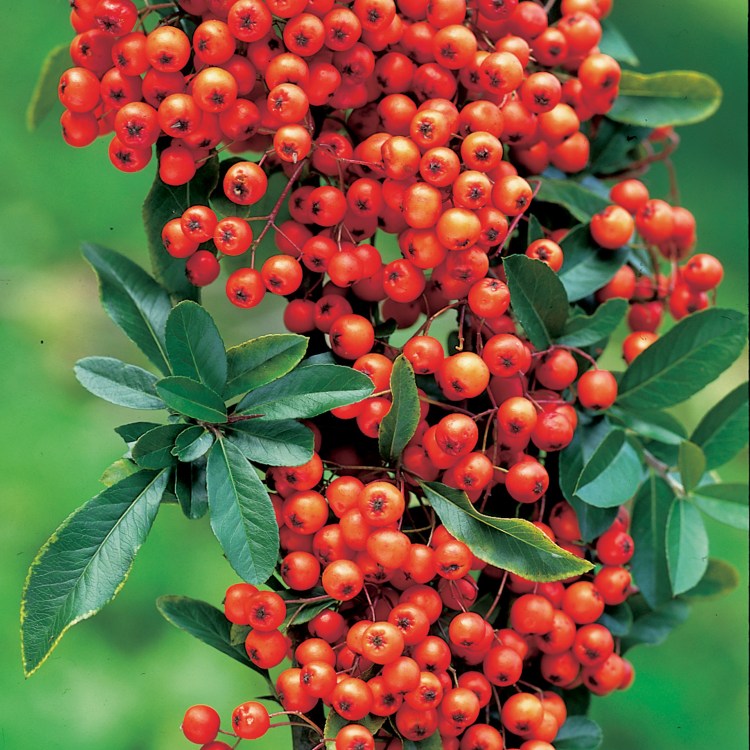
Pyracantha coccinia (Firethorn) offers berries. Red and Orange. An effective shrub that can be used as a hedge. It has quite sharp thorns so equally a good deterrent. An evergreen providing foliage all year round. In spring, there are creamy white flowers. It’s hardy too.

Magnolia grandiflora, an evergreen will offer scented flowers in summer, Magnolia stellata and soulangeana have fragrant flowers too but these are decidious. Magnolia’s do prefer a partially sunny aspect and ideally a little sheltered. The latter flower in spring usually and without leaves.

Rhododendrons are low maintenance, providing flowers and some scented through spring into summer. The soil condition is of course important (acid) but dwarf varieties R. impeditum, R. ‘april rose’ can have fragrance and standard ‘Christmas cheer’  provide flowers, foliage and colour winter to spring. Rhododendrons are hardy but some evergreen and some decidious. For shrub varieties partial shade and for dwarf full sun.

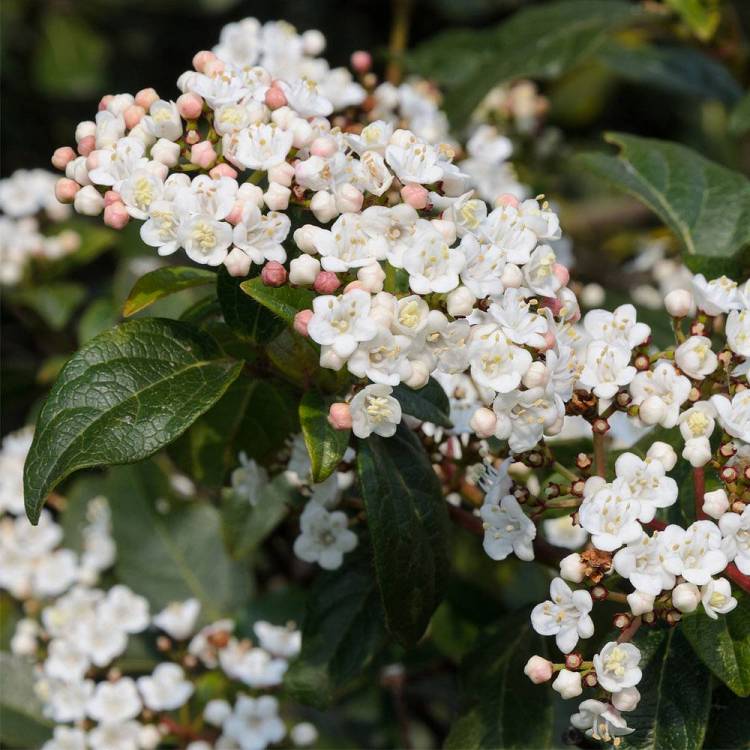
Virburnums, ‘tinus’ the most common,  are good at providing winter colour where there is none. A hardy shrub that can be used as a hedge. Be mindful, this is not a neat shrub. It needs to follow its natural habit and remain informal. It flowers through winter to spring providing fragrant flowers and attractive foliage. After this, it bears black berries. An easy shrub to look after, the aspect is not too important, the shrub is robust and withstands harsh conditions.

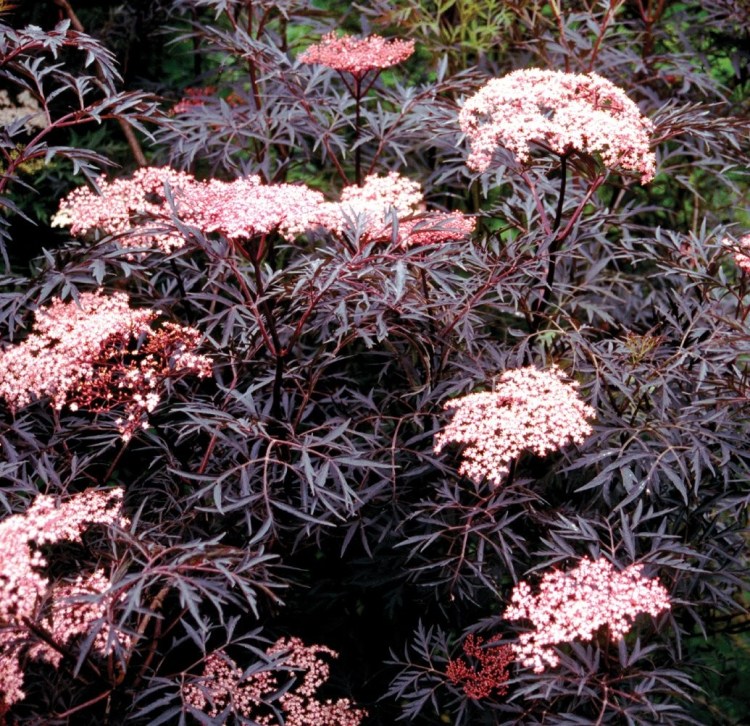
Sambucus nigra ‘Black lace’ or ‘Eva’ provide scented flowers and attractive foliage. It flowers in summer and bears fruit after. A member of the elder family, it is a tree but can be pruned to control its growth. A hardy shrub that prefers sun but generally tolerant of most conditions and most soils.

Escallonia is prolific in its growth. It can tolerate strong winds and resilient to most adverse conditions, but not the cold. Wind, yes but cold no. It is an evergreen but maybe choose a spot that is sheltered or coveted. It prefers more sun to shade and will provide you with pink flowers through the summer months. It has a tendency to become invasive to neighbouring plants so as a reminder, one it has flowered, give it a clip.