Alpines/Succulents

If you are looking for a hardy, low maintenance and drought tolerant scheme, it’s worth mentioning these plants. Succulents have fleshy leaves since they’re cabable of storing their own water. Alpines can often survive in poor, sandy, free draining soil with no humus matter. A downfall of both these plants is to overwater them. They will not tolerate being doused and root rot can follow.

These plants can often be incorporated in rockeries and require almost no support or very little attention.

Aubretia a good ground cover plant. Grows often in cracks of walls with little soil. It has a trailing habit and needs to be in full sun. It can cope in very dry conditions. It flowers in spring, attracting beneficial insects and encouraging bio diversity.

Aurinia saxatilis a clump forming perennial which provides golden flowers from spring to early summer. It is very hardy and can cope well in an exposed position. It does require full sun, not a fan of shade. The soil, however, needs to have a little substance and not be totally barren.

Saxifraga flowers in early to mid summer and requires a sunny aspect. The plant can tolerate most types of soil, although well drained and moist. This ideally on the chalky side too. It welcomes some shade in the height of summer. The consistency needs some substance.

Antirrhinum sempervirens (snapdragon) an evergreen suited to a rocky, poor environment. It flowers in mid to late summer. It needs sun but a little shelter too.

Arabis, a succulent that provides foliage all year round. It flowers in spring to summer. A versatile evergreen, it needs well drained soil with sun. However, the aspect can be sheltered or exposed.

Sempervivum (Houseleeks) offer flowers in summer and attractive leaves all year round. A fleshy, hardy succulent needing light but very tolerant of sandy, free draining soil.

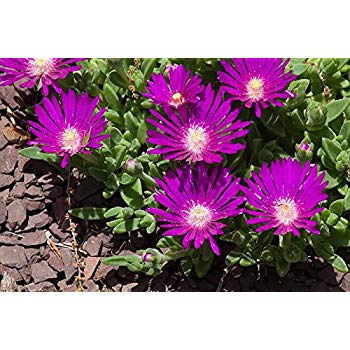
Aizoaceae, a general term for the whole family, but carpet weed / ice plants are its common names. Aptenia cordifolia (Heart leaf ice plant – there is a variegated one too) or Lampranthus coccineus (hardy) / spectabilis (trailing), Delosperma is another. The trailing variety can be quite invasive. It can offer effective ground cover with its mat forming, spreading habit.

Sedums (Stonecrop) are particularly suited to poor soil and can withstand prolonged periods with little moisture. They do need sun however, so not a plant for a shady corner. The species can flower pink, white and yellow flora. The commonest is pink but there are many. The plant acts as an effective pollinator and attracts beneficial insects.

Low Risk Perennials

Good housekeeping of plants/sufficient air circulation can cut the risk of disease and fungal infections but some plants are naturally resilient. Perennials with this trait can be incorporated in the open space and have an impact on neighbouring varieties. While these are not free from problems, under the right conditions very easy to keep.

Phlox can be scented and provide you with summer flowers, the varieties mostly through to autumn. Pinks, purples and whites. Some mat forming and some upright. The perennial is good in most aspects although they need a certain degree of sun. P. ‘David’ is resistant to powdery mildew.

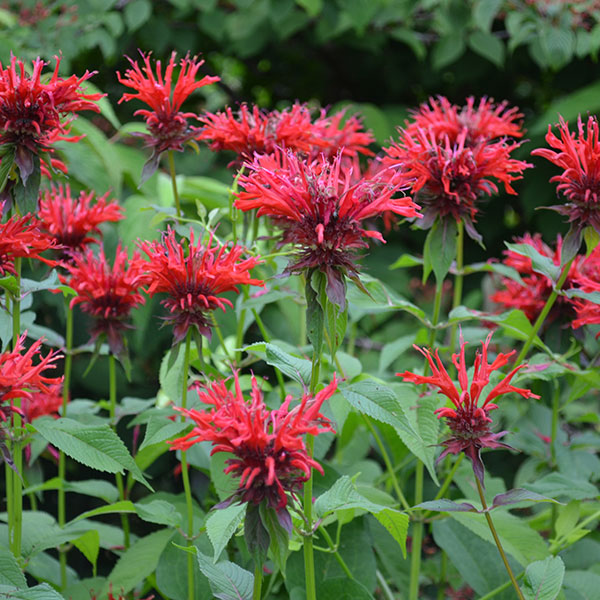
Monarda (Bergamot) a perennial in mid summer to late. Aromatic flowers with a clump forming habit. It is suitable in most aspects, the only condition is the plant is not keen being wet so well drained soil. In certain conditions it can be susceptible to powdery mildew but only if the air circulation is poor and this is easily avoidable. Varieties are more resistant than others. These include ‘Petite Delight’, ‘Colrain Red’.

Paeonia – garden and tree. The soil is important, they tend not to like acidic soil so balanced conditions. Peonies don’t like sitting in moisture so well drained too. Hybrids can often be more resilient and cutting down stems each season will help keep pests at bay. The most important point to remember about Peonys. They don’t like to be moved. P. ‘Scarlet O’Hara’ gives a show late spring to summer.

Sedums are perennials but also succulents due to their fleshy leaves. So these plants are often good in dry conditions and drought tolerant. They provide attractive foliage and flowers, they like full or partial sun at the very least. These plants are low maintenance but very effective. They attract beneficial insects too.

Geraniums are very good at the front of borders, the smaller varieties anyway. These generally are hardy and need minimal maintenance save cutting back spent growth. G. ‘Rozanne’ will provide flowers throughout summer. A condition is that the soil is well drained and they get sun. G. Macrorrhizum will give you aromatic foliage early to mid summer and are white rather than purple.

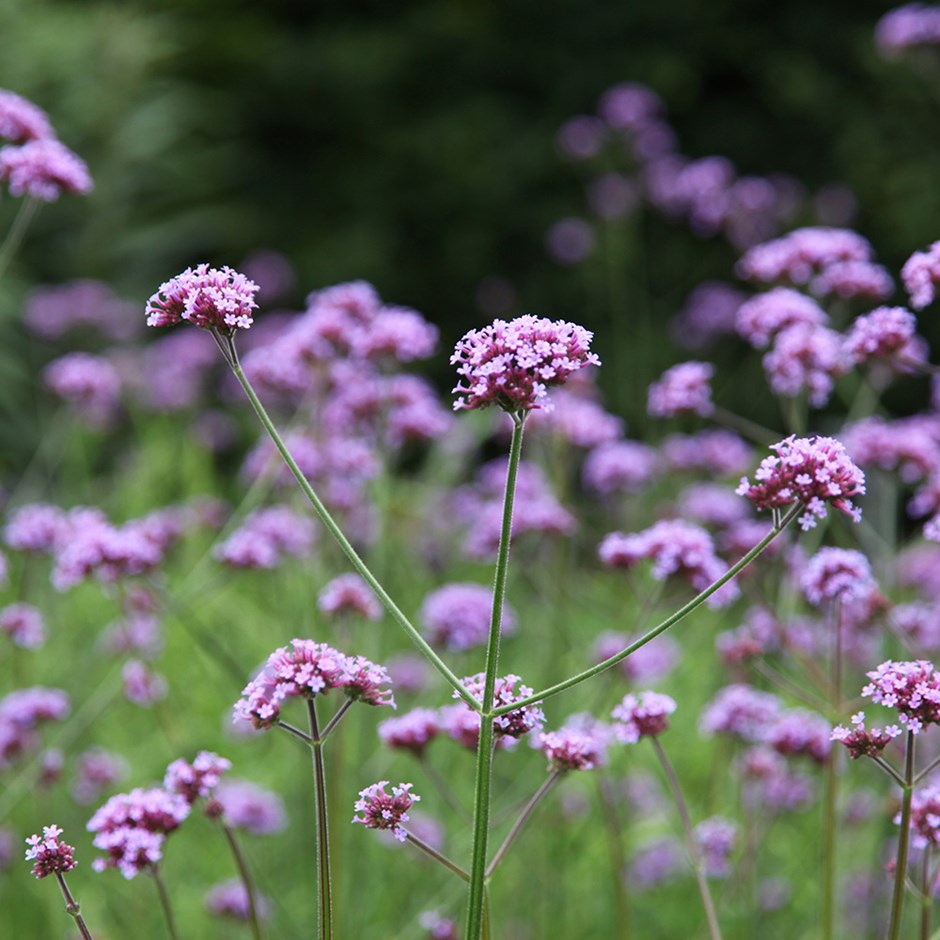
Verbena offers attractive lilac flowers in late summer. It encourages beneficial insects too. It needs some shelter but the stems are relatively tough. V. bonariensis is quick to establish and can be put almost any position because of it’s habit. It will not block out other plants. It is probably best to cut back when new growth appears in spring. Again, for this plant powdery mildew is usually what thwarts it and with good housekeeping this can be avoided. In warm, dry weather the spores are likely to be more active.

Roses – Part 1

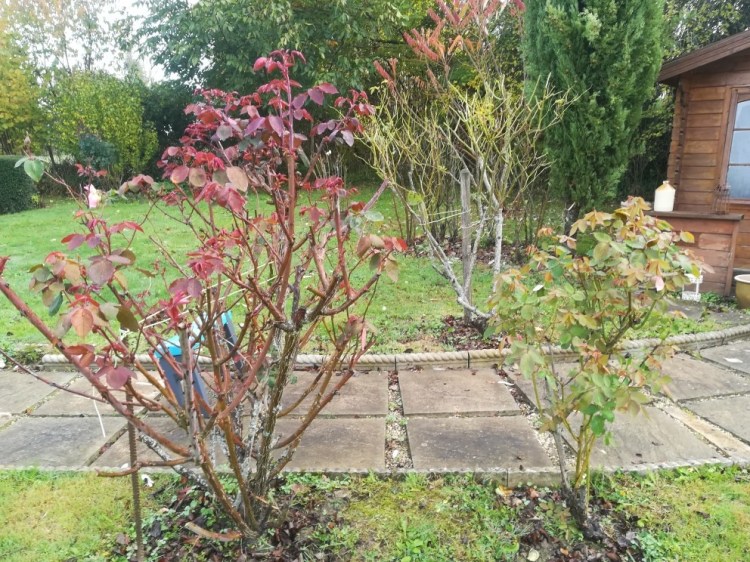
A time to start cutting these down. It will be to remove dead, damaged and diseased wood. In high winds, it ensures minimal damage to branches if it can move through the Rose. It will improve next years flowering – if there are no pointless branches the energy can move through to where it is needed most. Some leave until spring to do only once. You can return to them in spring if uneven growth starts to bolt. This job should really be done from september in preparation for winter, if not then do leave till spring. It will acclimistise for winter but hard pruning in “baltic” conditions will weaken it.

There is some disparity in the the care of Roses. Some say time-intensive, some argue too much method. Roses are relatively straightforward if you follow a few steps, if anything disease is more likely to thwart it than you.

Prune to a leaf node/bud to avoid dieback. This is an improper cut to the stem which simply goes brown and remains inert. It stores no energy so remove. Dieback however, can be a result of infected soil from previous planting harbouring grey mould and canker. Cutting back in a correct manner highly reduces this risk.

Remove any crossing branches to ensure full circulation and stems do not touch. This is general practice to avoid diseases spreading, cross contaminations. It is also reshaping the Rose so it retains its desired habit.

Cut back spent growth, straggly or unwanted. Look for central stem and 3/4 outward stems (dependent on how big), cut back shoots to 3/4 leaf nodes from the bottom. This should be maybe a third of its height. You can use your discretion for aesthetics. It depends how brave but it will be absolutely fine.

Roses seem susceptible to a number of diseases and pests although some varieties more than others. Varieties are crossed for resistance but as the cross species adapts to fight off the disease, the disease also adapts to survive.

Rust is a fungal disease, it affects the leaves – they will fall before they should. The plants overall performance is affected, in extreme cases can kill a Rose.

Powdery Mildew is a debilitating condition for a Rose. It is easily avoidable. It is usually to high conditions of humidity and lack of air circulation. Spores will infect the plant and impede its performance. Grey mould is pretty much the same thing.

Black spot, a fungal infection that blackens the leaves. Varieties are created to overcome infection but as discoveries are made, Black spot adapts to survive. Older varieties seem to be safer for some reason. Cut out the infected area and remove diseased leaves in autumn.

Sufficient Drainage

Other than plants intended for the pond, marginalised or oxygenating – species like to dip into moisture but not to sit in it. Lily of the valley, Daylilllies and Hibiscus can all tolerate more than enough moisture.

It is worth understanding then why the area is wet or over saturated. An ill drained area can be altered to improve water runaway so that the area is moist but drains. If the soil is compact this might be the reason for the accumulation of water. It might an option to install land drains or conversely change the consistency of the soil to allow water to penetrate.

Cornus do well in moist areas and provide effective winter colour. Dogwood produces attractive foliage with white flowers so has a purpose all year around. Very easy to keep and most aspects are adapted to. Easy to prune, a couple of inches from base and it comes back up in Spring.

Spring flowering Kalmia do well in these conditions with a good degree of light. As long as the sun is shining on the species, the plant can sit in moisture. It can tolerate partial shade as long as the soil has some drainage and on the acidic side which is why it goes well with Camellia’s and Rhodendrons. Little pruning is necessary but have a tendency to become leggy. A clip to keep its shape but is slow to grow out of control.

Some Salix alpine varieties will cope with some saturation as will Betula pendula, the silver birch, although some drainage is still needed. Hydrangeas are probably one of a few plants that devour H20. However, Hydrangeas cannot sit in it either as to do so would kill them rather quickly. They prefer cool, moist and shaded spots. A smaller water lover is a certain grass, Carex. This is usually in planting combinations with other ornamental grasses so often doesn’t lend itself to a pond location.

There are smaller species like Hostas (a rich and acidic soil for these plants) and Ferns (generally anywhere) that sit well in moist areas but again a crown rot issue can arise if proper care not taken of them. A grass that goes well with Hostas is Hakonechloa macra, it doesn’t mind moist soil but it must be well drained. Monarda – well drained, Rudbeckia – well drained. The problem of moist not wet still resides. Liriope too is resilient of tough conditions and can cope with full shade but not over saturated soil. It still needs to be well drained.

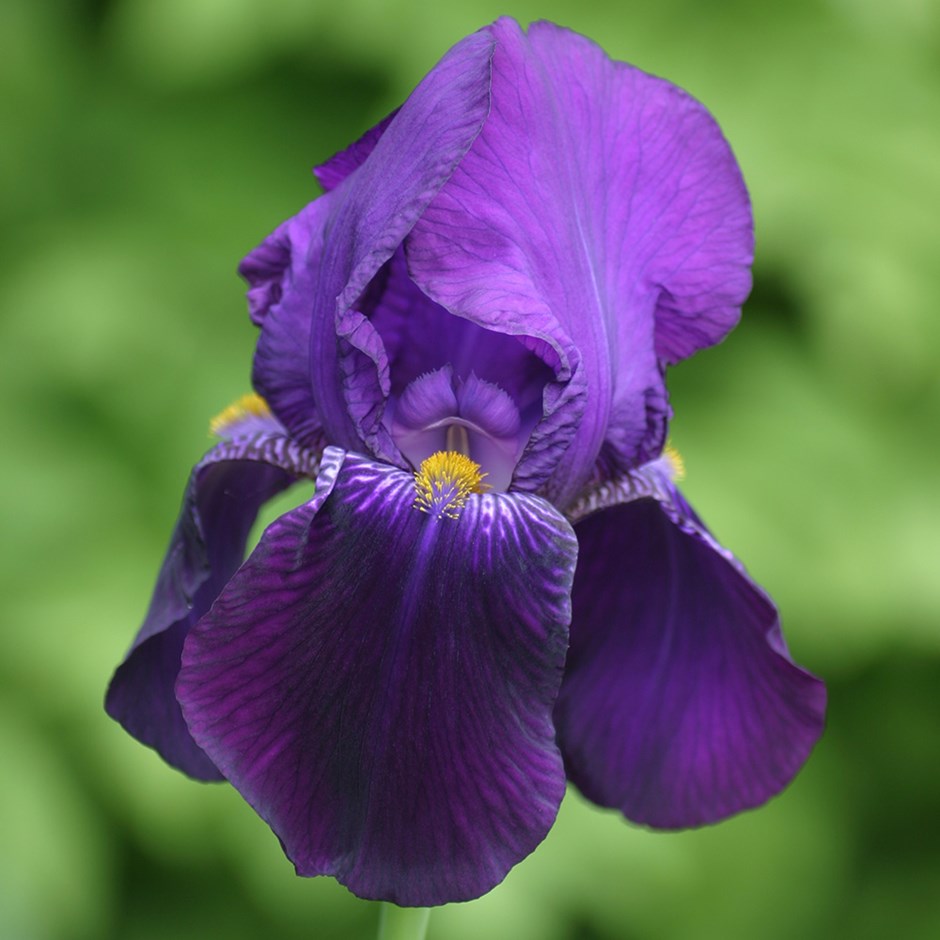
Nothing would be better than probably addressing the problem unless you want to create an actual bog or marsh area for Bull rushes, Gunnera, Irises and alike and even here there needs to be a degree of drainage. Not too much seems to survive in a pool of water.

Shrubs in Shade

Some plants never do well in shade but it is surprising how many will perform in these conditions. Often this can be a determining factor for poor growth, little flora and general sickness.

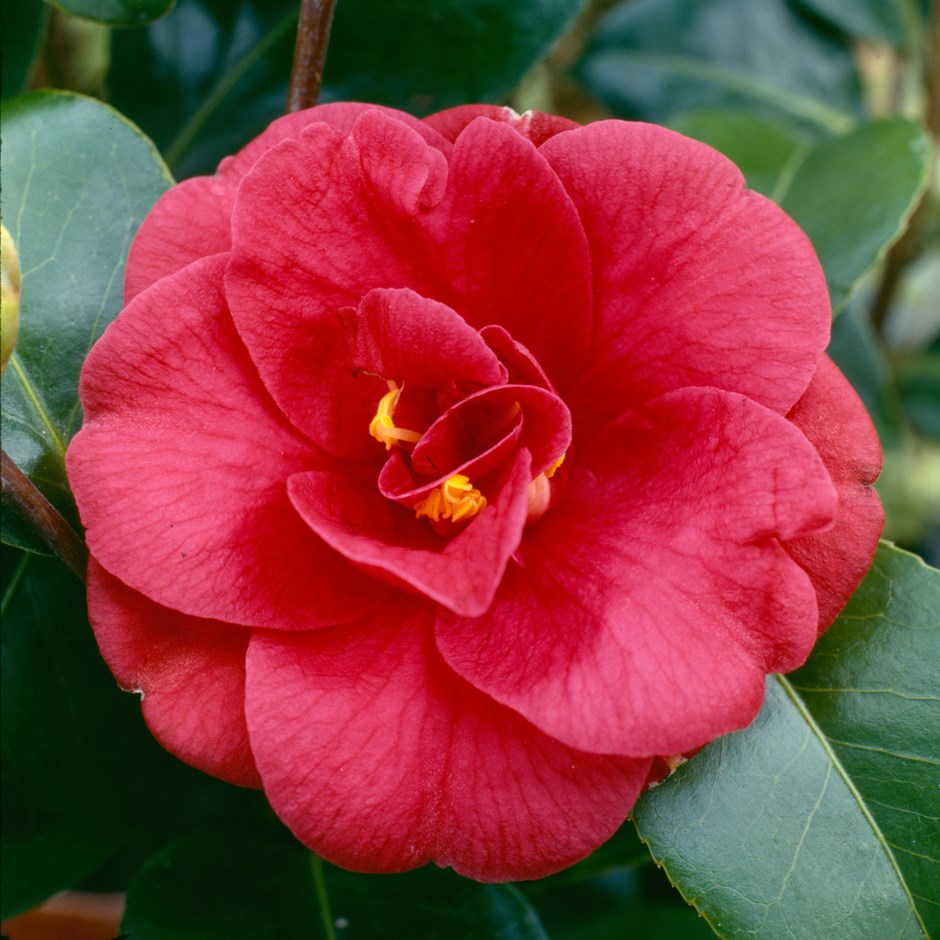
Camellia’s can tolerate partial shade but the winter flowering variety sasanqua must have a full sun location to perform well. Found as a woodland plant often the more shaded the better. The varieties of x williamsii and japonica are hardy and can take hard pruning after flowering. Neutral to acidic soil are ideal conditions.

Skimmia’s too are evergreen and provide elements of interest through the seasons, produce berries for birds in winter and give a profusion of fragrant white flowers in the springtime. They do well in partial shade to full shade and prefer an acidic soil. The leaves can burn in full sun. No real maintenance to speak of, just unwanted growth. Woodland origins.

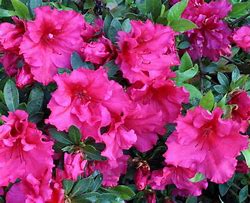
Azaleas do not respond to being in full sun so similarly suited to partial shade. A heathland plant which prefers a good drained spot with an acidic reading. No real pruning necessary but to control size. The varieties are highly scented and come in a wealth of colours. Light pruning after flowering.

Sambucus nigra has equally attractive foliage and can lift the dullest of corners. It also offers scented cream flowers in the summer months. It does like some sunlight but will happy enough in partial shade. In autumn, it provides deeply rich berries to wildlife as a necessary food source. Origins of a wasteland plant but some interesting cultivars. S. ‘golden tower’ and S. ‘black lace’.

Daphne’s prefer a neutral to more alkaline soil but still prefer a cooler spot. Daphne perform well in sheltered gardens in well drained conditions. They do not tolerate drought so moisture retentive soil packed with nutrients is necessary. The shrub is highly scented and hosts attractive pink flowers. Good solid hardy shrub.