Easy Maintenance Shrubs

An ideal method of planting would be to incorporate those flowering, providing foliage in your garden and needing no care at all. Right? Of course, only if you like them! With careful planting, you can achieve an amass of colour throughout most of the year with little pruning and no special time to do it.

Weigela is a shrub that seems to becoming popular again. It loses its leaves in winter but provides an abundance of colour in the summer months. The more sun it gets – the more flowers you’ll have, but it will cope in partial shade. Pruning is needed to retain shape but it accepts minimal interference. It will need to be cut back to a bud or leaf node after flowering. This will be off last years growth. No other care is needed.

Cistus – an evergreen which flowers so much you never notice the petals are spent. A plant which is good in poor soil. It prefers a full sun aspect (as in it’s name – sun rose, rock rose) and can cope with dry conditions. They are stable in adverse conditions (toughened to the elements), although protection in cold and exposed areas is advisable. No pruning is necessary since if the growth gets too woody, it is better to remove and replace. The growth ceases to regenerate in its normal fashion.

Potentilla will come in many colours (oranges, whites, reds, pinks and yellows) and flower in late spring to end of summer. The plant is low maintenance and generally trouble free. The pruning is only to keep the size down or a quick snip on top for aesthetics. If in doubt, prune plants after flowering when you want them to flower as normal the following year. Potentillas are fully hardy and need little care. As long as they are not in complete darkness, partial shade is fine. The plant is decidious and from autumn to spring they are dormant plants. The plant will tolerate poor soil and no nutrients. It will source its own. If anything it’s wild form can be found on damp cliff edges and embankments, waste sites or neglected areas.

Forsythia is a shrub that provides flowers followed by foliage in mid spring. The plant will thrive in full sun but can cope in partial shade. It can be used as a hedge although often it’s an upright shrub. It normally copes in most soils. The plant will need some maintenance but requires no technical expertise. It needs to be pruned only to retain its shape and size. Cut back to shape after flowering and remove some stems altogether from the base to encourage circulation and new growth. It can become invasive if ignored, so do keep it trim each year.

Junipers, both the ground cover and shrub variety can be left and will provide the foliage interest you were after. When they’re established they can withstand quite adverse conditions and tolerate a dry environment. Junipers are tolerant of most soil but need light – to deprive them of this will afflict their growth. Their shape will become distorted and cannot be reversed. There are several varieties growing from the ground cover – J. horizontalis to J. chinensis of small, large and upright tall.

Euonymous fortunei will provide you with a number of cultivars that can be adapted in your open space. ‘Emerald Gaiety’ a small busy shrub but can climb if trained by a wall. ‘Emerald n Gold’ a yellow and green variegated evergreen that will appear pinkish in the colder months. ‘Silver Queen’ a larger example. Its foliage slightly different. A cream and green variety wih a bushy habit but will have a pinkish tinge in winter. These shrubs, carpets and climbers (compact or mound forming) only need to be pruned to the desired shape. The variegated foliage should continue to regenerate in this form. If a solitary green shoot appears this needs to be cut out. It is the plant reverting to its original form before it was crossed.

Interesting Hedging.

Hedging has often been used as a method to mark a boundary. Seemingly uninteresting and purely fit for purpose. In recent times, a more unorthodox approach has been taken to offer colour, foliage interest and if encouraging wildlife at the same time even better.

Crataegus (Hawthorn), often found in the countryside, is fairly common as is Ligustrum (Privet). These can be taken back quite harshly. Both flower if not pruned but provide generous habit for birds and animals in the winter months. The foliage tends to become denser the more it is pruned. Although the flowers aren’t particularly the feature of the plant, Hawthorn is highly scented.

Another common choice is Conifer, although the growth habit differs hugely. A major problem can be when the hedge becomes too thick. The growth doesn’t regenerate in the same way. A conifer needs to be shaved periodically so it never becomes overgrown. To take this back too quickly will kill the hedge. This is why you see brown conifer hedges. They look very trim but aren’t very green. The level of cut has been on a par with a privet and unlikely to fully recover.

The term Conifer is used generically at times (wrongly or rightly) and linked to relations in the larger group from Junipers to Cypress, Cedars, Pine, and Larch. Some more suitable than others and some species are low growing and more popular as a free standing shrub. This is in particular to Junipers, P. mugo – dwarf pines, both available in a number of greens including a blue. Standard pines can certainly die from below if suffering from a fungal infection, leaving them unsightly and not providing any habitat in the colder months.

Taxus baccata (Yew) another choice that becomes denser the more it is pruned. It is largely used in estates, I’ve most often seen it around the era of the Arts and Craft movement. It’s used in topiary as is Buxus sempervirens (Common Box). Common box is often used as a specimen plant and also as a parterre. Aphids can often be a culprit for these not performing.

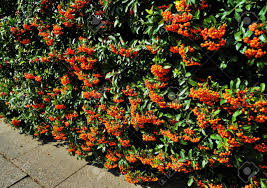
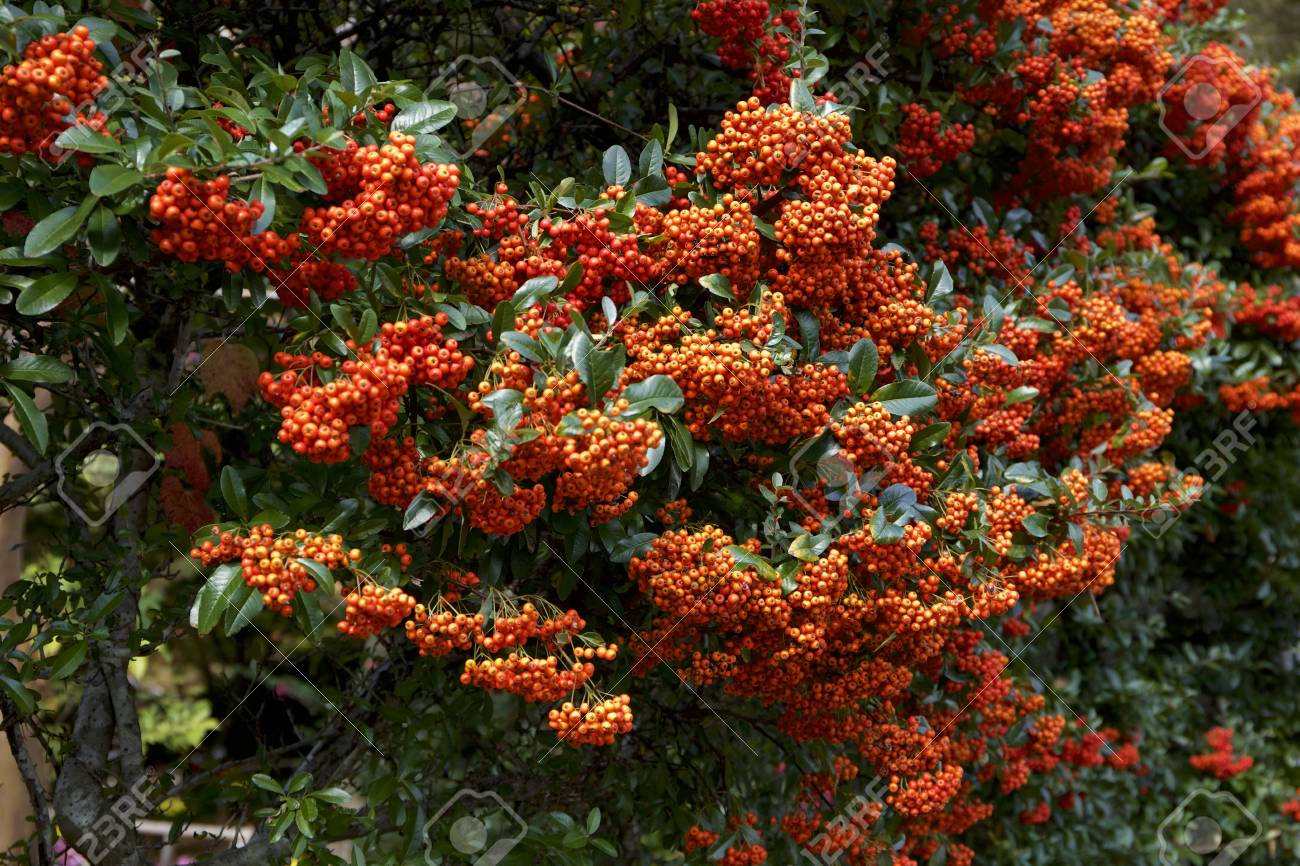
Berberis (Barberry bush) is an evergreen and can come in green and purple varieties. They’re very hardy and grow in the most adverse of conditions. They provide foliage, flowers and berries and are almost trouble free. The berries usually orange/yellow. They have spiky stems and so good as a security feature. Pyracantha (Firethorn) too has the same characteristics although these berries are orange/red with white flowers.

Cotoneaster is an certainty for a successful hedge. These shrubs are incredibly resilient and offer berries and habitat whether it’s the shrub variety C. mycrophyllus or the ground cover C. horizontalis. So tough, it could live in a skip figuratively speaking.

An unconventional choice now becoming more popular are mixed hedges, these often can include Photinia and Elagaenus. These both offer interesting foliage. They are easy to keep trim and if necessary will take a bit of hack. Photinia will provide a fantastic array of colour all year round. Photinia coupled with Pittosperum variegatum will make the most striking of spring displays.

Springtime Colour

September/October is the ideal time to plant bulbs in preparation for Spring. Spring colour includes your Daffodils, Snowdrops and Crocuses, your Summer bulbs like Dahlias, Lillies, Red Hot Pokers and Crocosmia need planting in Spring or dividing to rejuvenate the plant. Tuberous or rhizome rooted plants (Begonia’s or Irises) too moved or divided at the turn of the new season.

Daffodils now have so many variations. There are 1,000s that deviate from your egg yolk yellow. It’s smaller cousin Narcissus is equally diverse. Usually you don’t divide daffodils. They do not multiply like Crocosmia so you would usually just plant more. In the event of bulbs being of a healthy size you could slice and plant the divided pieces. In a cluster or a wave are very effective, a border or naturalised in the grass. The downside to naturalised, however, is when they’re spent you mustn’t cut them back. The period to leave them is 6-7 weeks or until the foliage goes limp. This will effect the flowering and the general health of the plant.

Crocuses are one of the 1st to appear and can adapt to a shaded environment. The wild variety is a woodland plant and usually found under tree canopies. Although they do better in full sun, the time of year they appear there’s not much foliage so they adapt. The one important point is the soil must be well drained. They are not fans of rain.

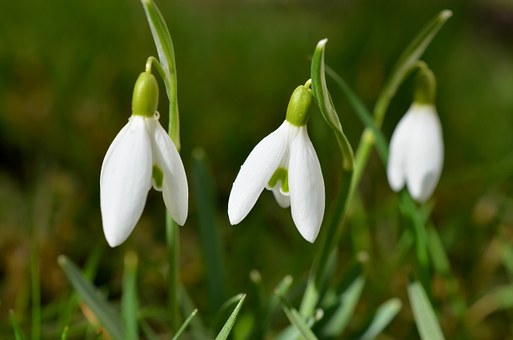
Snowdrops too are a wonderful addition and flower early in the year. The only snag is they don’t last long enough. Maybe 2-3 weeks. The plant can be divided and more plants encouraged. Propagation can also be achieved by seed amongst other methods. They prefer shade to full sun and need no maintenance. They will die back naturally.

Bluebells, although, not a cultivated plant can achieve a breathtaking carpet of colour in April to May. A woodland scene can be replicated with the minimum of effort since they are quick to spread and because of their origins can adapt in shaded areas.

Alliums can be planted for shows in spring to early summer. Do not plant in boggy areas or in heavy soil, they prefer well drained conditions and thrive in sun. They can cope with dry periods and are self reliant. They also attract beneficial insects so bio diverse for your garden.

Plant Tulips for spring colour, they come in a variety of colours and shapes. A hardy specimen, they do well in a sheltered position though. They do not weather well and prefer a full sun aspect. Tulips can ideally be taken out each year and dried out. Often they are left in the ground but will not tolerate over excessive moisture. Discard any diseased, damaged bulbs when storing them.

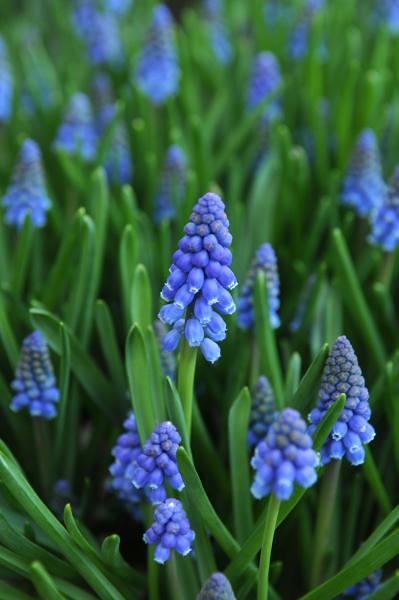
Grape Hyacinths offer a food source to bees as well as vibrant colour in mid – late spring. The plant has a tendency to seed after flowering, so to retain the vigour of the existing plant it is a good idea to remove the flowerheads. It is, however, not hugely detrimental and division every couple of years will help in their growth.

Winter Colour

There are specimens with special characteristics that will provide you with interesting flowers, foliage and colour in the warmer months. In the colder seasons they do not cease to entertain and will give a striking winter display too.

Rubus cockburnianus (White stemmed bramble) provides foliage and flowers in summer, white stems in winter. Wonderful as a backdrop. They need to be in full sun however to perform although the aspect is not important. They are good in exposed areas as well as in sheltered conditions. In a cluster ideally, this should be cut down in spring to contain the size. Any arching habit should be cut off to avoid rooting and creating a mess.

Cornus florida monrovia (Flowering dogwood) It’s habit is more of a tree though. A decidious variety, little maintenance is required, if any. No hard pruning though.

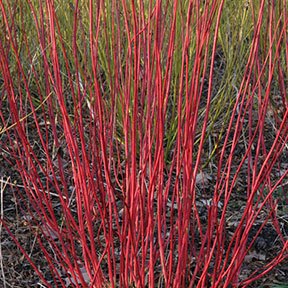
Its relative Cornus alba ‘sibirica is more of a shrub and more suited to the average border. A medium size providing cream flowers in spring and summer. It’s stems are the most vibrant in the winter months. It does need sun or at least partial. It is very hardy. Pruning should only be to take out unecessary growth and keep its habit.

Helleborus niger (Christmas/Lentern rose). This evergreen provides food for insects in the spring. It flowers through winter and into the warmer months. The foliage remains thoughout the year. A hardy specimen. It prefers drier conditions and will not tolerate being waterlogged. Partial shade is ideal.

Ophiopogon planiscapus nigrescens (Black mondo). A hardy black grass that is good in clusters. Small in a clump habit. A number are needed for a wave. It is not a shaded plant and needs a substantial amount of light. It prefers a moist environment but not too wet. Aside from its striking foliage, it produces flowers in summer.

Heuchera ‘Black Beauty’. It flowers in summer and after deadheading and removing spent growth, new foliage will follow. H. ‘Winter Joy’ an evergreen which will flower in summer, but will provide lime green foliage all year round. It will cope with most aspects but needs to have some sun.

Hakonlechla macra (Japanese forest grass). It flowers in late summer, but H. macra is used more for its foliage. Golden H. macra ‘Naomi’ and H. macra ‘Aureola’ provide variegated foliage in addition to the flowers in autumn. The benefit of this grass is its versatility. It tolerates all aspects and all conditions.

Miscanthus sinensis is a plant that, although not flowering at this time of year, should be left until pruning is required. This would be March – April. The spent plumes can be an important part of a winter landscape, even if by default.

Berries for Wildlife

Aside from shrubs offering attractive foliage and flowers throughout the year, some offer berries that provide a valuable food source throughout the colder months.

Virburnum tinus is an attractive shrub with dark, glossy leaves. it bears highly scented flowers from late winter through to spring. The berries come after the flowers so don’t dead head until pruning begins in spring. The plants needs to be with another of the same species for pollination. Will perform well in a shady spot.

Sorbus americana (Mountain ash) too offers berries over the colder months, it flowers in summer. This decidious tree will thrive late summer to autumn. An ornamental known for its clusters of flowers and bright fruit. It’s also known as Rowan.

Ilex aquifolium (Holly) often does not bear fruit when over pruned. An evergreen, it provides an effective habitat for wildlife and a food source. Beneficial insects are attracted to the shrub/hedge to pollinate the flowers. Holly bear flowers of both sexes so after pollination fruit will form.

Virginia Creeper is a climber that provides a food source for much wildlife. Similiar to Ivy, it is often used to hide a multitude of sins and can be planted against a wall. it produces clusters of flowers in spring although these are non-descript. It is quite invasive but offers very attractive foliage in the autumn months. It is a decidious vine and both the leaves and berries contain an irritant.

Skimmia Japonica can provide interest all year round. Both the leaves and flowers are scented. An evergreen, the female flowers will form fruit that will cover the the winter months, the male flowers are more scented and when coupled together achieve a breathtaking display.

Cotoneaster is a very hardy, robust specimen. Can be evergreen or decidious and habit can differ. There are ground cover varieites, C. horizontalis or arching habit C. Conspicuus ‘Decorus’. The berries are usually red – save for C. rothschildianus which are cream. It can be invasive if not contained, it usually will just keep spreading.

A close relation to Cotoneaster is Pyracantha. Pyracantha (Firethorn) offers berries in autumn and flowers in spring. It is an evergreen with attractive glossy leaves. It can often be trained against a wall. It does have spines on its branches which can make it difficult to work with. It needs to be in a sheltered spot but otherwise will provide you with a wealth of flowers and berries at different times of the year.