Shrubs for Beneficial Insects

Whilst we enjoy the scent and colour of our spring, summer and autumn shows, it is worth considering the benefits certain shrubs have in encouraging bio diversity and providing insects with essential food.

Buddleja (Butterfly Bush) A woody shrub that needs quite hard pruning to keep its growth vigorous. In spring, it needs to be taken down to 2 or 3 leaf nodes and it will benefit hugely.

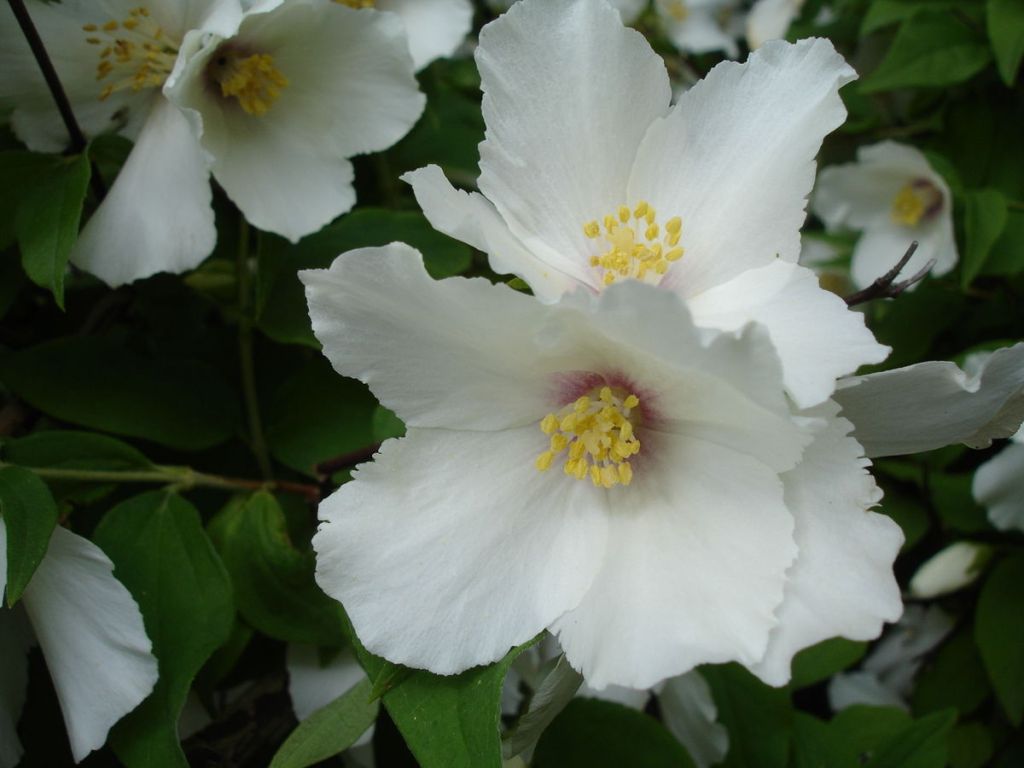
Philadelphus (Mock Orange) A scented shrub providing white flowers and attractive foliage in summer through to autumn. It is drought tolerant and very resilient in quite harsh conditions. However, it loses its leaves and is non descript at other times of the year.

Choisya (Mexican Orange Blossom) is popular in urban areas since it absorbs pollution. It doesn’t require any pruning per se and provides fragrant flowers. It does need some shelter and not suited to exposed sites. Early summer is the time it flowers, however, the leaves are attractive in themselves and its an evergreen.

Skimmia japonica offers fragrant leaves and white flowers in mid spring and berries in winter so a very beneficial shrub. Skimmias do not sit well in full sun. The more shade the better. The shrubs are drought tolerant and require almost no maintenance. The soil need not be humus rich. Their nutritional needs are low.

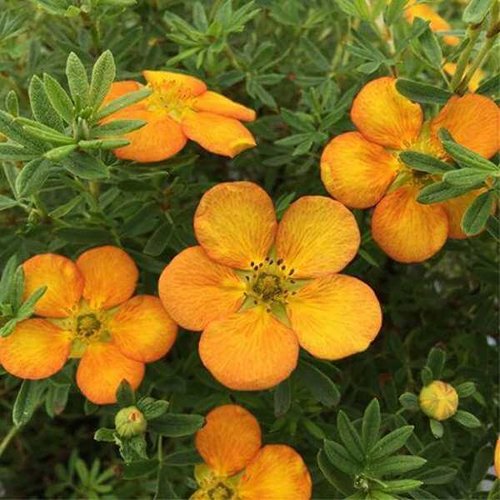
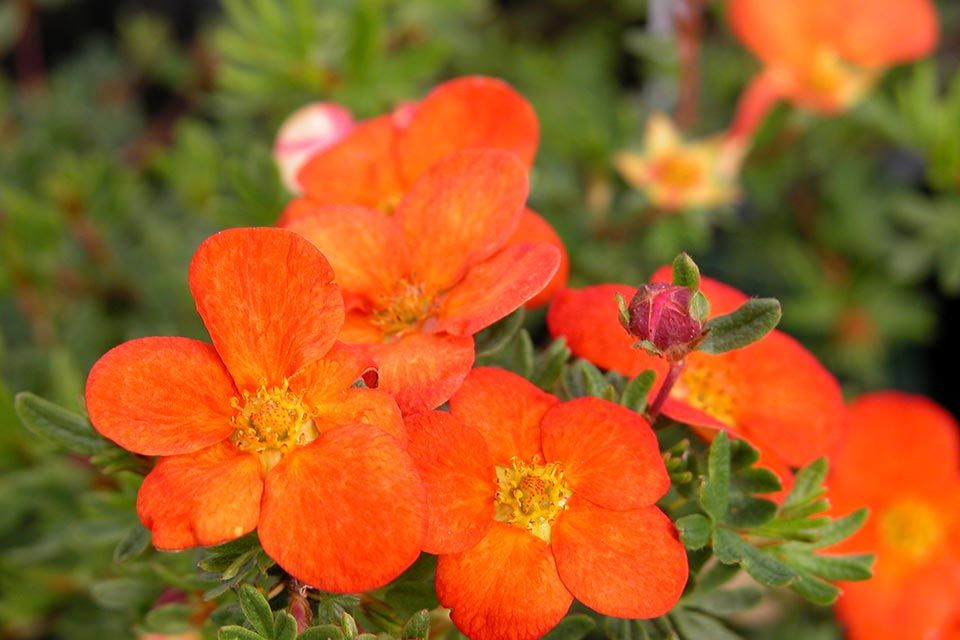
Potentillas are certain to attract wildlife and you have the added benefit of the lasting blooms. The shrub prefers full sun but a little shade helps the plant not over exert itself – it flowers for longer. it like most plants prefers a good soil but will tolerate poorer quality as long as it’s well drained.

Virburnums are a reliable choice too due to the fact that some can flower in winter through till spring and some even throughout summer. A hardy shrub of an informal habit will provide berries in the dormant months and highly scented pink and white flowers. A straightforward shrub that requires little maintenance save a clip here or there. It generally adapts to most soils as long as its free draining. It does well in sun but will tolerate some shade.
Hardy Annuals

With any mild weather,  it would be tempting to go and buy some annual plugs. This can be achieved by sowing seeds though. Some are more hardy than others as the descriptions illustrate, some annuals can be classed as perennials since they come back a following year. If the parent plant doesn’t, it can throw its seed and the cycle repeats itself. The half hardy / hardy is an indication of what conditions it can withstand and whether this is for a prolonged period or a cold snap.

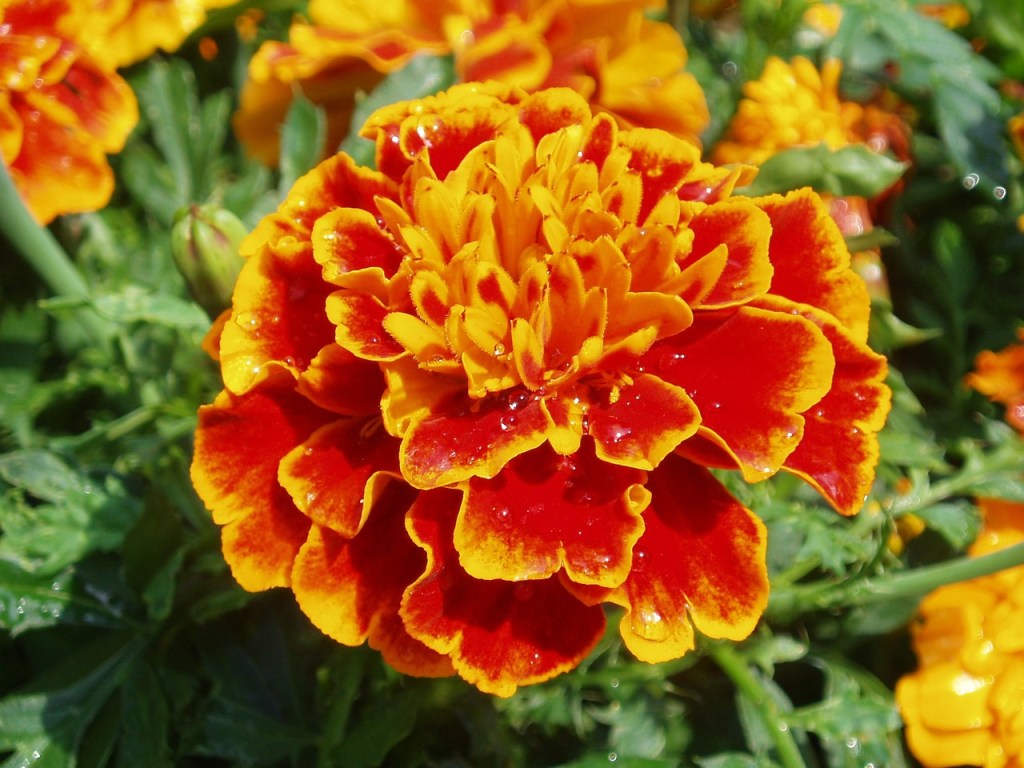
Calendula officianalis ‘pink surprise’- marigolds offer flowers from summer to autumn in warmer climes. Their demise is slug / snail related, not so much weather. Marigolds do best in full sun with well drained soil. They can self seed to prolong their lifespan. If you don’t want them, you need to pull them out once the flowers are spent.

Papaver orientale  – Poppies can be sown for spring and if provided with good drainage, a full sun aspect will return the following year. Equally, Eschscholzia californica, an annual though, under the right conditions can be treated as a perennial. It may self seed so be mindful if you don’t want it populating.

Viola – Wild violets are prolific in meadow areas and woodlands alike. These will return season after season. They’ll self seed and appear almost anywhere. The cultivated variety is an annual and normally dies after its season. It doesn’t self seed. They’re closely related to the pansy.

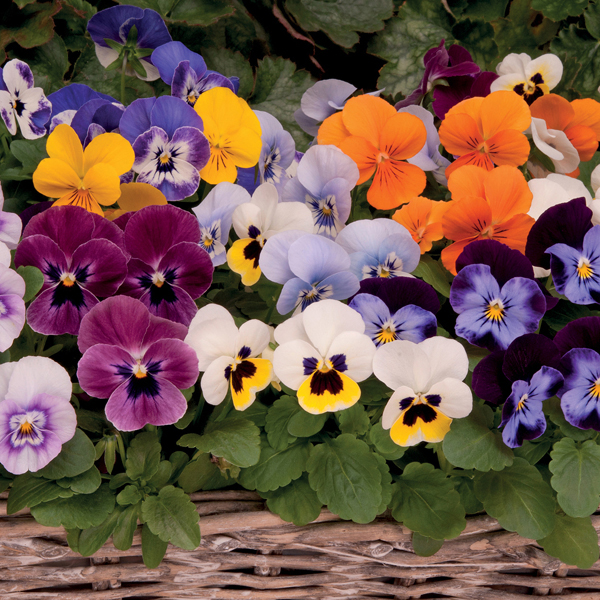
Pansies – There are summer and winter varieties. Single coloured and tricolour. Often described as a “cool weather annual” they can often survive prolonged cold snaps and on occasions come back when they’re not meant to.

Dianthus or pinks are a carnation flower suitable in rock gardens / herbaceous borders. The cut flowers, we associate with a florists spray (carnations) but the smaller ones are perennials. The plant is low growing with mat forming foliage. It offers fragrant flowers in the summer. Pinks can cope in poor soil.

Salvia horminum – clary sage / annual sage needs full sun or light shade but offers a show from summer through to autumn. The flowers attract beneficial insects so a bio diverse choice. it needs a decent, humus rich medium and does not sit well in poor soil.

Polyanthus / Primula – although these are removed to make way for summer bedding, this perennial survives cold snaps and returns the following year. It is argued that they come back stronger and flower in profusion.

Nasturtiums – an annual / perennial in the right conditions. The perennial variety – Tropaeolum – is hardy. The annuals, however, need to be sown early spring. if you are buying them as plugs slightly later.

Nigella damascena “Miss Jekyll” – Love-in-a-mist offers a blue accent in summer. The annual suited to a sunny spot will do well if a little sheltered.

Dangerous practice

In recent years, I became keen on wearing gloves. Often, unless it was partcularly thorny (Pyrancantha) or prickly (Berberis) I didn’t bother as a younger gardener. It’s so very necessary though. Alot of plants emit an irritant sap and more. No-one’s suggesting you voluntarily ingest anything toxic but may remain on your hands – you can inadvertently infect yourself. Rose thorns equally dangerous, can give you blood poisoning, it’s really not so difficult. There are many dangerous plants but to provide you with a few.

Digitalis purpurea (Common foxglove) – beautiful colours from purples, whites and reds. The common foxglove self seeds and reproduces. D. illumination ‘Ruby’ a pink hybrid – does not seed but offers an effective food source for insects. The hybrids that are crossed for resilience are usually sterile although hardy to adverse conditions. (D. x vallini). A easy plant in a herbaceous mixed border with delphiniums, monarda and rudbeckia. It prefers a sunny aspect offering foliage and flowers in summer. It is resilient in an exposed site but can be supported if needed.

Ricinus (Castor Oil) – very attractive leaves and flowers. This plant needs full sun and relatively hardy. It’s a fast growing evergreen, sought in red and green. It will flower in late summer. Very dramatic leaves and flowers, just very dangerous.

Euphorbia (Spurge) It’s worth mentioning poinsettias are part of this group. Secretes an irritant and dangerous to swallow. It likes full sun and prolific in growth. E. characias is the variety we see alot and provides blue/foliage aswell as yellow flowers. A variegated E. x Martini (Ascot Rainbow) can be sought too. It is a shame Euphorbia is so invasive, once in situ can be difficult to control. Very attractive too, but precautions are necessary.

Dandelions – a weed but does possess an irritant sap. The leaves can be eaten and is known to have detoxifying benefits. Having said this, ingested in large quantities can be quite damaging due to their high alkalinity.

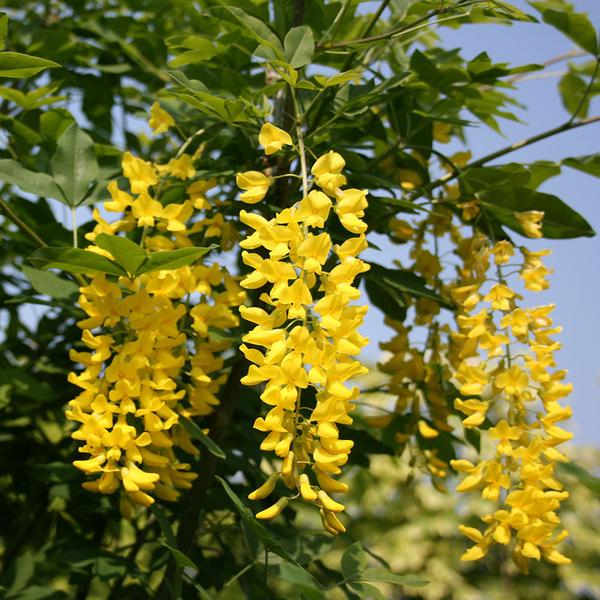
Laburnum x waterei – A beautiful specimen tree offering scented flora in early summer providing a canopy of colour. Breathtaking to see, but all parts of the plant are toxic. The pea – like flowers can look edible to an discerning eye (animals and children). It prefers full sun. A very robust and versatile tree. A decidious choice but provides foliage and flowers up until autumn.

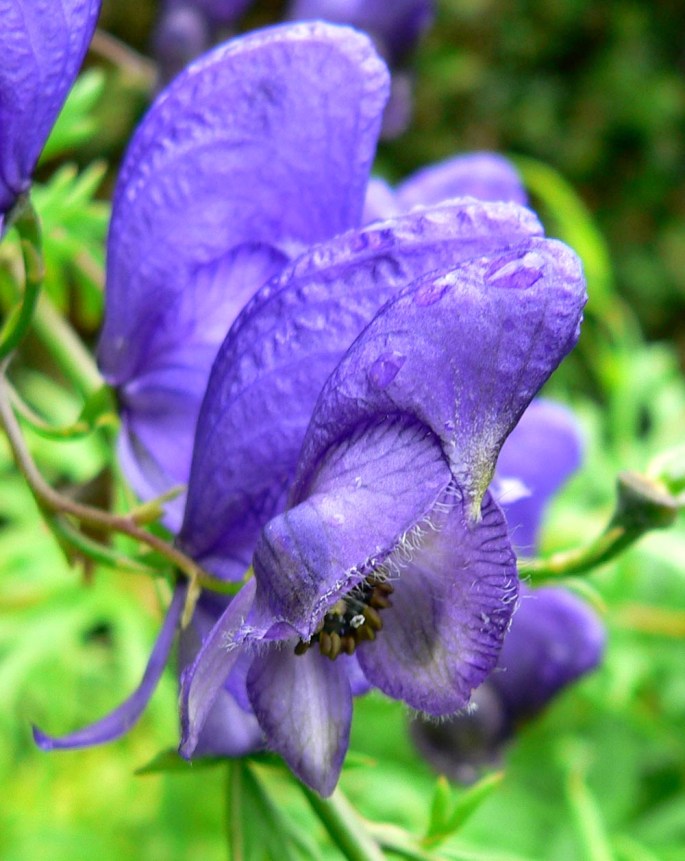
Aconitum nappellus (Monkshead) offers deep violet and white (‘Gletschereis’) hooded blooms in summer. (A. ‘Gletschereis’ doesn’t tend to self seed). An effective herbaceous perennial. It needs a sunny spot but will tolerate some shade. The soil, however, needs substance – it must be humus rich and fertile.
Taxus baccata (Yew) – dwarf varieties can be sought although usually used a hedging / topiary plant. It responds well to heavy pruning (unlike conifers) Part of the plant has been used in the production of tamoxifen although it nevertheless quite dangerous. It is an evergreen. It’s hardy. It’s an effective architectural plant that can be shaped. It likes full sun, partial sun, no sun. You just don’t want to swallow it.

Silver Shades

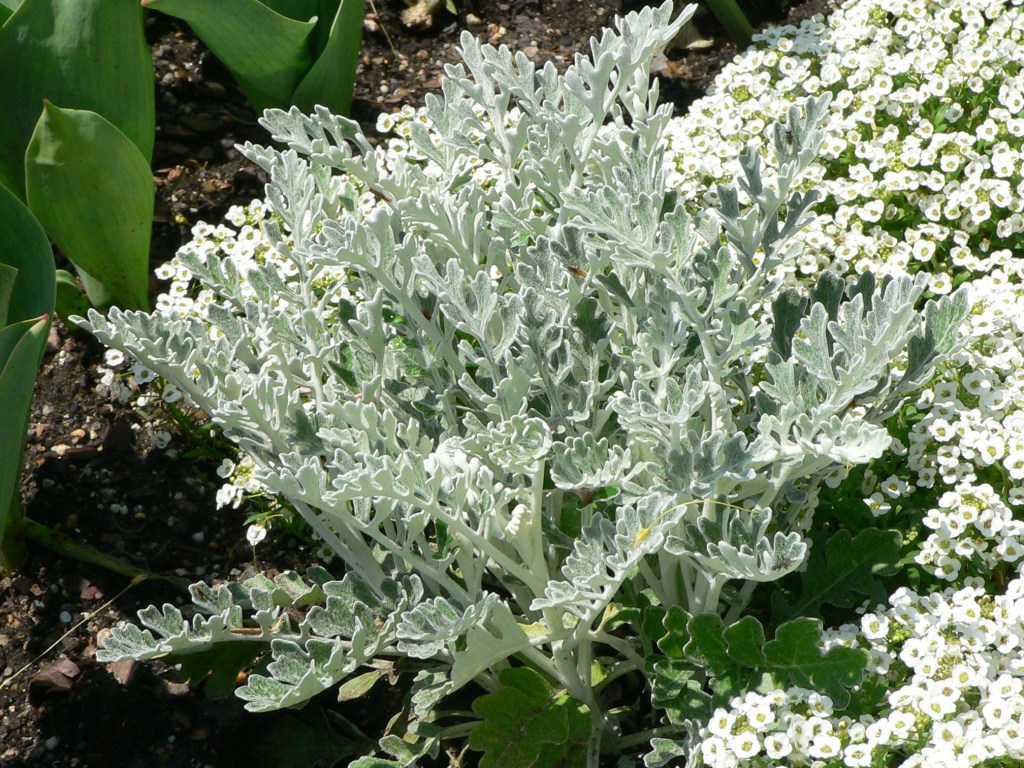
One colour can become so striking when offset against silver foliage. If the plant produces a flower, that’s a bonus. But purely for their leaves, these plants are effective.

Perovskia atriplicifolia – (Russian sage) ‘Blue spire’. This plant is ideal in a sunny position in well drained soil. It is highly scented too. It will flower through summer into early autumn.

Lavendula – Lavender offers attractive foliage, flowers and scent. French and English both look different in characteristics. French Lavender is inclined to a lime based soil that has plenty of air circulating around. It doesn’t bode well in compact, clay based medium. English Lavender similarly likes a free draining, light soil and neither keen on sitting in moisture.

Cineraria (senecio) a compact sub shrub. Adds a neutral tone to contrast with stronger colours. A bedding accompaniment more than anything. These can propagated by seed / bought in plugs. These are only really for one year bought in bloom and then discarded as opposed to a perennial.

Stachys byzantina (Lambs Ears) ‘Silver Carpet’ – this plant offers texture and colour to an herbaceous border. It prefers dry conditions and will not tolerate being over watered. It is a hardy evergreen, can cope in exposed conditions. It’s a foliage plant so there are no flowers.

Caryopteris (Blue beard) – a mid to late summer perennial shrub. There are various kinds but there is a silver green ‘Blue mist’. Its performance largely depends on how much light it gets, so a full sun position is recommended.

Helichrysum italicum (Curry plant) – as you would expect a highly scented shrub. It prefers to be in a sheltered position but generally resilient to most conditions. It doesn’t like being wet, so well drained soil is advisable.

Juniperus horizontalis ‘squamata’ or ‘Blue Chip’. An effective source of ground cover. The plant needs little maintenance although the aspect should be in full sun. The soil can be sandy, but not poor. It does prefer a degree of fertility. A very hardy, resilient shrub.

Alpines/Succulents

If you are looking for a hardy, low maintenance and drought tolerant scheme, it’s worth mentioning these plants. Succulents have fleshy leaves since they’re cabable of storing their own water. Alpines can often survive in poor, sandy, free draining soil with no humus matter. A downfall of both these plants is to overwater them. They will not tolerate being doused and root rot can follow.

These plants can often be incorporated in rockeries and require almost no support or very little attention.

Aubretia a good ground cover plant. Grows often in cracks of walls with little soil. It has a trailing habit and needs to be in full sun. It can cope in very dry conditions. It flowers in spring, attracting beneficial insects and encouraging bio diversity.

Aurinia saxatilis a clump forming perennial which provides golden flowers from spring to early summer. It is very hardy and can cope well in an exposed position. It does require full sun, not a fan of shade. The soil, however, needs to have a little substance and not be totally barren.

Saxifraga flowers in early to mid summer and requires a sunny aspect. The plant can tolerate most types of soil, although well drained and moist. This ideally on the chalky side too. It welcomes some shade in the height of summer. The consistency needs some substance.

Antirrhinum sempervirens (snapdragon) an evergreen suited to a rocky, poor environment. It flowers in mid to late summer. It needs sun but a little shelter too.

Arabis, a succulent that provides foliage all year round. It flowers in spring to summer. A versatile evergreen, it needs well drained soil with sun. However, the aspect can be sheltered or exposed.

Sempervivum (Houseleeks) offer flowers in summer and attractive leaves all year round. A fleshy, hardy succulent needing light but very tolerant of sandy, free draining soil.

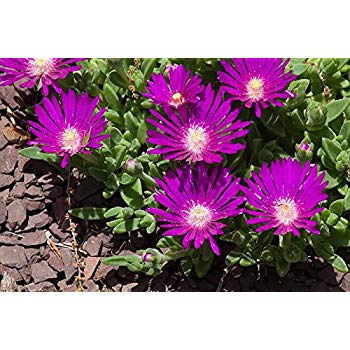
Aizoaceae, a general term for the whole family, but carpet weed / ice plants are its common names. Aptenia cordifolia (Heart leaf ice plant – there is a variegated one too) or Lampranthus coccineus (hardy) / spectabilis (trailing), Delosperma is another. The trailing variety can be quite invasive. It can offer effective ground cover with its mat forming, spreading habit.

Sedums (Stonecrop) are particularly suited to poor soil and can withstand prolonged periods with little moisture. They do need sun however, so not a plant for a shady corner. The species can flower pink, white and yellow flora. The commonest is pink but there are many. The plant acts as an effective pollinator and attracts beneficial insects.