Office Plants

Plants in offices are difficult. Someone has to feed, nurture and maintain their vigour. However, with careful calculations to light, attention and growth habit – it can be achieved easily (in house).

The factors to consider are space, shade, artificial lighting and problems caused by air conditioning. Plants make it clear when they need water. With these plants, a high humidity level is needed, so a spray of water into the atmsophere is enough.

Dracaena burley (Dragon plant) – it tolerates light shade and requires little watering. It can cope in drought conditions, though not for prolonged periods. It can equally adapt to cooler temperatures for short periods but not below 12c. No pruning except to control growth.

Pachira aquatica (Money tree) it can cope with artificial light, in fact it needs some shelter from direct sun. It prefers high humidity and temperatures not going below 10c.

Nephrolepsis exaltata (Boston fern) a plant that enjoys humidity and regulates it too. Neither a cold aspect nor a hot one, so away from machines / equipment that dry it out. It’s shade tolerant and has purifying benefits. This plant likes moist soil but not excessive.

Maranta leuconeura (Prayer plant) – It likes full to partial light. It will not tolerate shade / wet soil. A mist of water occasionally will appease its dryness or when it becomes discoloured. This plant survives on being rootbound. By its habit, it does not require repotting as long as the size of the pot is substantial enough not to overbalance. It purifies the air too.

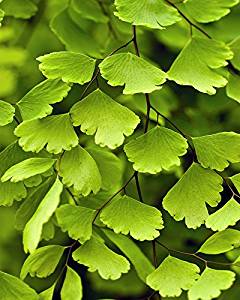
Adiantum rubbelum (Maidenhair fern) versatile because of its ability in adapting to different environments. A sheltered aspect outside with partial shade – it likes its moisture, so inside, partial sun in a direct spot.

Chamaedorea elegans (Parlour palm) – A shade tolerant plant, it can cope with fluctuating temperatures caused by equipment and heating. However, it will need a degree of humidity and a feed every week or so. It needs more water than most drought tolerant, but must be free draining. It will not tolerate saturated soil.

Zamioculus zamiifolia (ZZ plant) It needs little attention other than a shaded area. Shaded and cool, but not cold. It will not cope going below 8c. A plant that will cope with most conditions but avoid direct light. It is a drought tolerant plant and generally low maintenance. It’s effective in filtering air.

Sansevieria trifasciata (Mothers tongue) this plant as the others has filtering attributes. It will keep fresh air circulating and improve the quality of the atmosphere. In a confined area, it is capable of coping with shade, little care and almost no water. It is not good in a chilly spot or one with a strong draught. Its downfall is probably fuss and to overwater will kill it.

Marginal Plants

We have suggested the notion that most plants don’t like being saturated or sitting in moisture which is true although there are a handful who do. These plants were intended for water and need to be submerged in it. Often known as oxygenating plants, these plants keep unhealthy algae and weeds in abeyance. Certain plants are equally effective in improving the aesthetics of eyesores and providing habitat for aquatic / insect life.

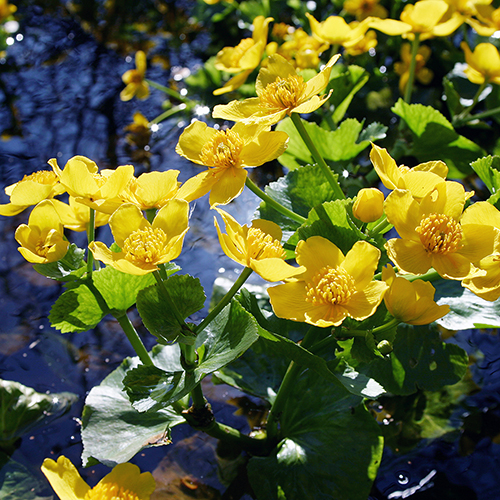
There are cultivated plants you would expect from irises to water lillies although there wild, native (UK) varieties that deserve a mention. Marsh marigolds (Caltha palustris) are clump forming, providing yellow cup shaped flowers from spring to summer. The plant provides a food source to beneficial insects encouraging bio diversity. The plant likes sun but can be found in woodland areas so tolerates partial shade.

Creeping jenny (Lysimachia nummularia “Aurea”) – although this is a ground cover plant it grows on land and in water. Low growing dense foliage providing shelter and coveting undesirable edging. It flowers from June to September providing pollen to bees. It copes very well in moist soil and marsh-like conditions. The plant will filter the water as it floats. It can be invasive but is straighforward to keep under control. The unwanted growth simply pulled out.

Marsh woundwort (Stachys palustris) – a perennial that flowers usually in June to August providing an essential food source. This marginal plant has attractive pink purple flowers that encourage birds and aquatic life too. Its roots sit just under the surface of the water as opposed to being submerged but resilient from damage if disturbed. It usually does well on low, damp ground.

Water hyacinths (Eichhornia crassipes “Lillianes”) are not native to the UK. The plant can be found in C. America/Southern climes and effectively used to purify the water. The resilience to adverse conditions of Ph, temperature and nutrients are why the plant is used. This and attractive flowers and foliage. However, what it is also known for is being particluarly invasive in more ways than one. Above the surface is a impressive show of flowers and foliage. Underwater, the roots are said to damage pumps, liners, filters and potentially wipe out other neighbouring species including wildlife – insect or aquatic. A pause of caution then.

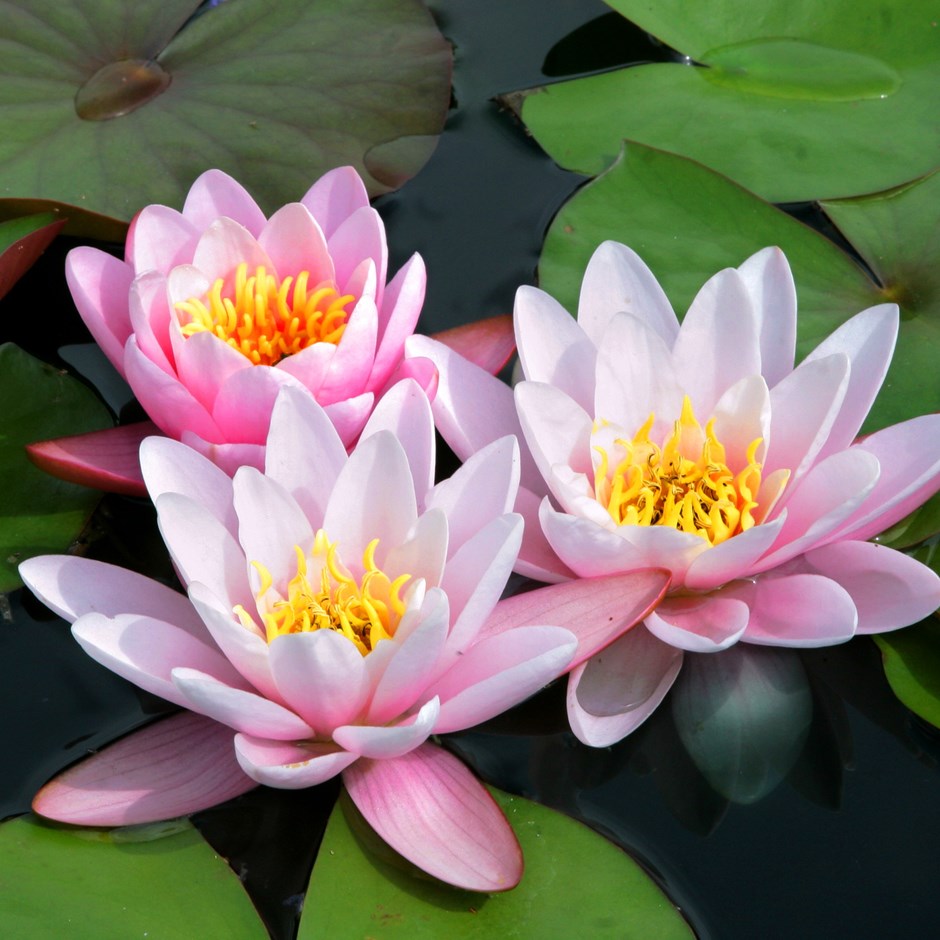
Water lillies (Nymphaea) – although the roots sit underwater, the plant usually requires some growing medium in a submerged basket as opposed to rooting wherever it can. The leaves are built to resist damage and the waxy surface to ensure they’re not over doused in water. A tip is to adhere to the depth requirements as varieties differ and can strongly determine the plants success. These plants will need to be divided at some point. Lillies do have a tendency to become congested in time. An indication can often be if the flower protrudes from the surface.

Irises are a perennial that can survive and thrive in boggy/marsh-like conditions. Others can be semi-aquatic. The Blue flag (Iris versicolour) is an aquatic variety, the Yellow (Iris pseudacorus) can be found near water although will cope with drier conditions. Iris sibirica, a purple variety provides long lasting blooms but usually are found on harder terrain. The plant still needs moisture but not so much wetlands. Flowering times of irises are spring to early summer with beardless ones usually slightly later. All Irises will benefit from division. It will improve the plants performance and health. In flower, do deadhead the plant since this will prolong the blooming period giving it a show for longer.

The Umbrella plant seems to fuse its purpose to both the garden and house. It is used as a pond plant and some care is needed as the plant is developing its roots system, but when established can withstand moist and wet conditions. It can be immersed in water and grown in soil. Cyperus alternifolius, a grass like perennial providing interesting foliage which will die back in winter. It’s not frost hardy, so in a pot needs protection from the elements. It likes a sheltered position, but does need some natural light too. An ideal soil would be wet and humus rich. It can equally be grown indoors as long as these conditions of medium, moisture, space and temperature are adhered to.

Bathroom Plants

House plants generally cope with a rise or flunctuation in temperature. Plants recover from excessive heat, lack of light often and can tolerate a week or two of absence/TLC. What they may not be able to tolerate is a constant source of steam, condensation and excessive moisture in the atmosphere. This is why perhaps there are certain plants are suited to the Bathroom and others not.

Often if you replicate the atmosphere of the plants natural environment you can’t go wrong. Plants of a tropical nature obviously prefer a more humid environment. Succulents, fleshy thick stemmed plants that retain water like Houseleeks or Cacti will tolerate some moisture, but tend to rot if over saturated.

Ferns are an ideal choice. The plants within this genus tolerate shade, almost no maintenance and very little care. The humidity has no detrimental effect and more often than not these plants can get soaked on a daily basis.

Platycerium spp (Staghorn fern, Antelope fern). Leathery flat leaves that often droop and hang dependent on the species. Ferns differ from other plants, they multiply by their spores not seeds. Due to the variety of textures that can be had, the lack of flowers is no shortfall. The foliage offers the desired effect. The Staghorn fern will adapt and often thrive with almost no light and moderate moisture. The soil, however, is important and needs to be humus rich. It needs a generous amount of nutrients.

The (Maidenhair fern) Adiantum Spp. is also commonly used because of these characteristics. Unlike the Staghorn it has very delicate fine leaves but copes well in a shady and highly humid location. It does like sun but will show signs of scorching if over faced with direct sunlight. It seems to adapt well in rising or falling tempertaures but not an extreme shift. It will not thank if exposed to a chilly corner or one where its battered by drying winds.

Chlorophytum comosum (Spider Plants) are popular too since they largely suffer no major problems and are generally disease free. There are green/variegated kinds, both are straightforward, require almost no care and are reliable assets in the bathroom. They can cope with over watering but on a sporadic basis. The plant will not thank if too wet, the roots can easily rot.

There are plants that can improve the air quality and absorb certain chemicals in the atmosphere. As a rule, succulents can get over saturated in these conditions. Aloe Vera, however, is one that can be used since they can tolerate humidity and are so easy to look after. The plants demise can often be root rot so don’t over water as a rule and treat rather like a cactus. It will source its own water if needed. Aloe Vera need a substantial amount of light and will only tolerate light and infrequent shade.

Aphelandra Spp. (Zebra Plant) a silver veined plant, tropical in orgin, it prefers a warm moist environment. It will not tolerate going below 20 degrees so can be quite a challenge. It also demands full sunlight and so not suited to a typical bathroom that may not have a window. If its demands are met it will provide the most striking of foliage and blooms yearly. A. aurantiaca – a red flower. A squarrosa – a yellow.

Another plant used that purifies the atmosphere is Sansevieria trifasciata (Mother in Laws Tongue) which will tolerate partial sunlight. It’s habit will ensure it doesn’t encroach on space since its leaves are upright. It has attractive yellow edged leaves. Again, do not overwater. Less is more.

Bromeliads, a number of plants that absorb moisture from the atmosphere and not the soil. The plants can cope with humidity but still need the air to circulate. Bromeliads remove toxins too, but at night time, so combining it with a standard foliage plant will provide your home with 24 hour purification.