Quirky Characteristics

We know nature’s not perfect and we like it this way! By crossing species and cultivating we create new plants that look entirely different from their previous parent. We do this through general appearance, growth habit, vigour, scent and blooms. Roses can often be crossed for the latter reasons and importantly for resistance to diseases. The methods to achieve this vary. Often it is through grafting where two plants are fused. X usually defines this in the name. Rosa x centifolia.

Aucuba japonica “Crotonfolia” has a parent of a different appearance. The laurel has strictly speaking not been tampered with and is the effects of a friendly virus, namely the mosaic virus. We have, however, come to prefer it to its green counterpart and therefore cut out the green if the shrub begins to “revert” to its original form.

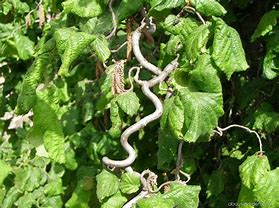
Corylus avellana ” Contorta” growers decided that the gnarled, twisted appearance was a better look for the hazel and therefore it is the more popular of cultivars. Again, if the plants starts to revert we use the same principle and cut out the “mutant” but really indigenous growth.

Euonymous fortunei is an attractive looking evergreen shrub but again through manipulation a variegated cultivar is more popular ranging from greens and creams to golden yellow. The leaf sizes vary from cultivars and the potential size of the shrubs can differ. Common examples Euonymous fortunei “Emerald n Gold”, “Emerald n Cream”, “Monrovia”.

Elaegnus ebbingei “compacta” has variegated states for instance Elaegnus ebbingei “Gilt Edge” and “Limelight”. These are two good examples of relatively common varieties where startling results can be achieved. The leaf is attractive in any case because of it slight opaqueness/silvery underside and their evergreen too!

These developments only improved the reputation of non flowering evergreens as before we may not have devoted an entire bed to evergreen shrubs. Often it was only shrubs that flowered would have achieved these effects. Much interest can be had from having no flowers to speak of, no real maintenance, only neat, compact and attractive all year round.

Coastal Microclimates

Most plants are able to adapt to adverse conditions their makeup wasn’t ready for, whether it’s Ph balance, competing plants or the ability to absorb potassium (affecting shape size, colour). If the soil is dry the plant can’t absorb anything. There is, however, one condition that is non–negotiable for them and that’s wind. Some plants will not tolerate it at all. With this in mind, care needs to be taken choosing plants for a coastal location.

Although it might appear milder in conditions with less chance of frost, the plant will have to cope with extreme winds and salt laden moisture. The shelter will need to start from the outer layer. A hedge to act as a windbreak that will protect a tree then more enclosed a shrub to an eventual perennial or hardy bedding plant. These plants need to be tough to deal with adverse weather conditions that cease to stay consistent. They will be exposed to harsh winds and excessive water, although moisture, it will have a high concentration of salt. With more sun than shade it is inevitable that these plants will dehydrate, they need to be resilient with little maintenance. The conditions ongoing yet keeping a colour and vigour all year round.

Some grasses (Stipa) are popular and ferns (Asplenium) are encouraged to grow through cracks in walls. They will thrive off the minerals of the stone and tolerate alkaline conditions. At times the plant can be found in an inaccessible location and needs to be therefore self-sufficient. The salt content is an important factor and often Rhododendrons (Evergreen) and Wild Roses ( die back but doesn’t lose growth so cut to ground level) can be used, they can survive in these conditions.

The soil is often very sandy with no loam (humus matter – bulk) all moisture will drain away as will nutrients if added. Often the soil particles are poor and has no substance to retain the goodness in addition to the prevailing wind.

It is important for particular plants to be given the right location with the right protection. Otherwise, it will render the species burnt and blackened, the leaves will be damaged and it will eventually destroy the plant. The sand accompanied by the salty water can be damaging. Suitable plants usually have some form of waxy layer or may have tiny hairs on their outer shell (leaves/bracts/shoots). Often it is advisable to choose perennials that die back to ground level or choose specimens that lose their leaves thereby going into hibernation and resourcing their energy levels.

Structures or embankments are suitable as they can act as windbreaks but walls aren’t a solution. They can almost compound the wind problem and can even channel turbulence to really fuel the problem. Hedges are, therefore more effective than walls, the wind moves through the gaps as opposed to applying pressure.

There is one benefit to these very adverse conditions, the climate, the temperature is mild so more borderline plants can be incorporated which would otherwise not cope. Typical examples below.

Suitable Hedging/Windbreak

Berberis (Barberry bush)

Hawthorn (Crataegus monogyna)

Rosa rugosa (Wild Rose)

Suitable Trees (adding sheltered pockets)

Pinus (Pine)

Salix pursuer (Willow)

Cytisus (Broom)

Suitable shrubs tolerant of wind/salt

Cordyline

New Zealand Flax

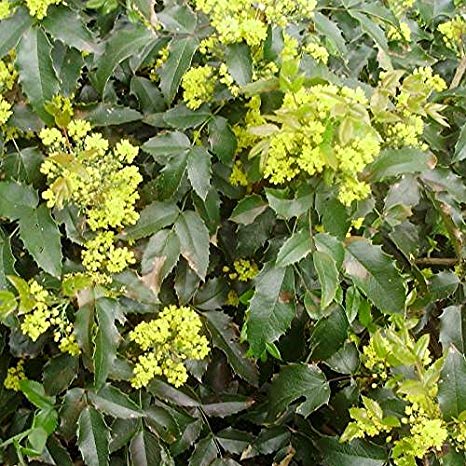
Mahonia Virburnum