Industrial areas

Japanese maples are not fond of polluted skies but some acers can cope with emissions. Tilia’s (Limes) x euchlora are often used in urban areas since they are not only tolerant but actually absorb it too. Fragrant flowers in spring and providing beautiful autumnal colour.

Cotoneasters horizontalis (groundcover) / salicifolius (shrub) offer berries and necessary habitat in the winter months. An evergreeen that arguably could be thrown in a skip and survive. A very robust shrub. These are drought tolerant too.

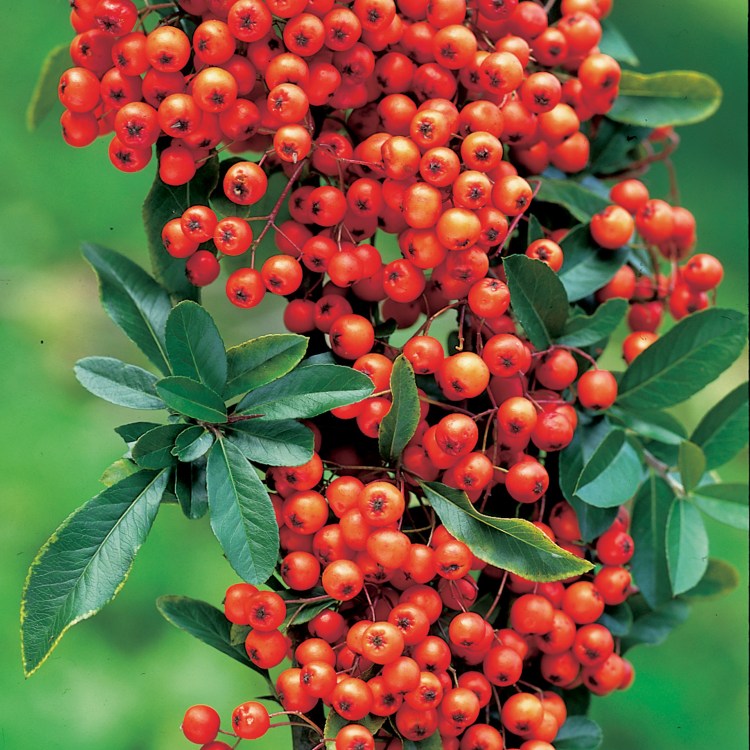
Pyracantha coccinia (Firethorn) offers berries. Red and Orange. An effective shrub that can be used as a hedge. It has quite sharp thorns so equally a good deterrent. An evergreen providing foliage all year round. In spring, there are creamy white flowers. It’s hardy too.

Magnolia grandiflora, an evergreen will offer scented flowers in summer, Magnolia stellata and soulangeana have fragrant flowers too but these are decidious. Magnolia’s do prefer a partially sunny aspect and ideally a little sheltered. The latter flower in spring usually and without leaves.

Rhododendrons are low maintenance, providing flowers and some scented through spring into summer. The soil condition is of course important (acid) but dwarf varieties R. impeditum, R. ‘april rose’ can have fragrance and standard ‘Christmas cheer’  provide flowers, foliage and colour winter to spring. Rhododendrons are hardy but some evergreen and some decidious. For shrub varieties partial shade and for dwarf full sun.

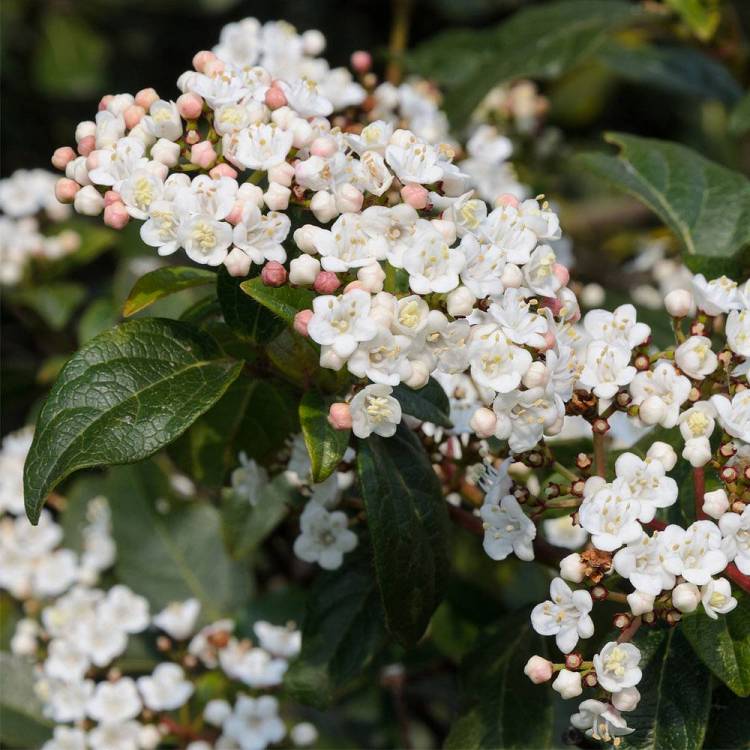
Virburnums, ‘tinus’ the most common,  are good at providing winter colour where there is none. A hardy shrub that can be used as a hedge. Be mindful, this is not a neat shrub. It needs to follow its natural habit and remain informal. It flowers through winter to spring providing fragrant flowers and attractive foliage. After this, it bears black berries. An easy shrub to look after, the aspect is not too important, the shrub is robust and withstands harsh conditions.

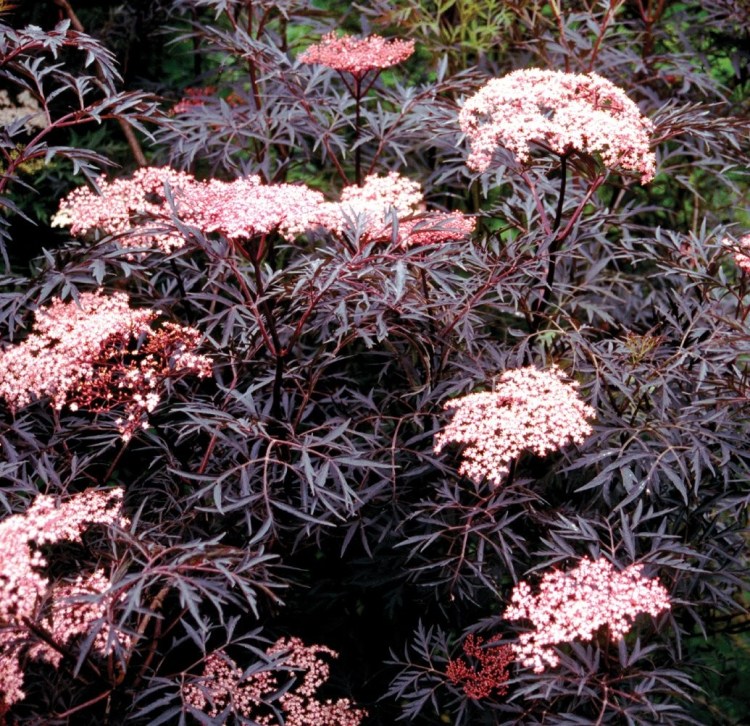
Sambucus nigra ‘Black lace’ or ‘Eva’ provide scented flowers and attractive foliage. It flowers in summer and bears fruit after. A member of the elder family, it is a tree but can be pruned to control its growth. A hardy shrub that prefers sun but generally tolerant of most conditions and most soils.

Escallonia is prolific in its growth. It can tolerate strong winds and resilient to most adverse conditions, but not the cold. Wind, yes but cold no. It is an evergreen but maybe choose a spot that is sheltered or coveted. It prefers more sun to shade and will provide you with pink flowers through the summer months. It has a tendency to become invasive to neighbouring plants so as a reminder, one it has flowered, give it a clip.
Choosing a hedge

Unconventional hedging is becoming more common providing colourful foliage and suitable habitat for wildlife. In addition to this, most of these plants offer berries as a food source in the winter period. The overall effect and the purpose of the hedge (a boundary line, a deterrent, providing shelter, a food source, windbreak or winter interest) are certainly important to consider. The flowers, habit, growth rate and maintenance need to be looked at before this is achieved.

Elaeagnus, Photinia and Portuguese Laurel are relatively new to hedging offering colour, fragrance and resistancy – Elaeagnus can cope in very poor soil offering interesting foliage, flowers and fruit. Prunus lusitanica (Portuguese Laurel) is tolerant of almost all conditions bar sitting in wet soil. While these remain popular, they can’t outshine some of the more traditional species.

Privet (Ligustrum ovalifolium) is undoubtedly the 1st choice. While some may think its blandness offers nothing. It provides effective shelter for wildlife, it tolerates pollution, poor soil, is fast growing, the list goes on. It flowers but only when left unpruned. It’s a winner with its hardiness, ability to regenerate after being pruned quite severely.

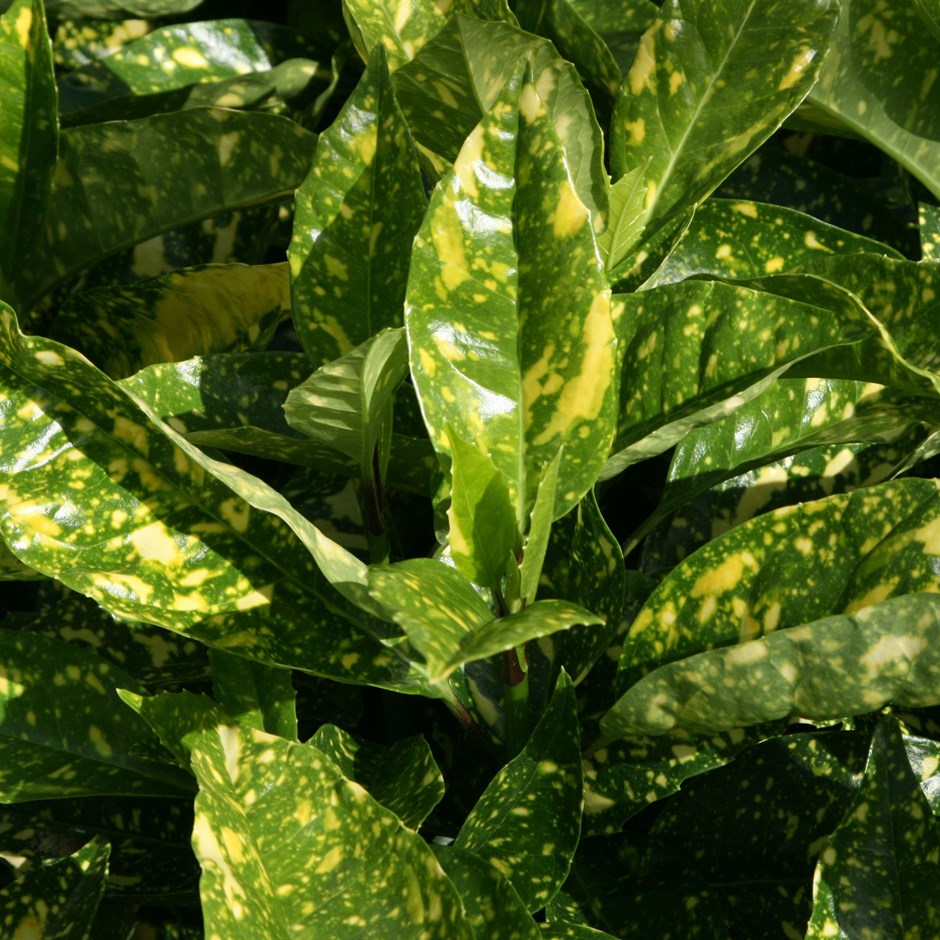
Spotted Laurel (Aucuba japonica) (not to be confused with Laurus nobilis – a Bay tree). The shrub offers interesting foliage and a food source for wildlife. The variegated ‘Crotonfolia’ bears berries when a female is located close to a male. A hardy evergreen that effectively acts as a specimen plant or as hedging. It is tolerant of shade and able to cope with demanding neighbours (other large shrubs, trees).

Barberry bush (Berberis) A spring flowering shrub that can be sought in red B.thunbergii Atropurpurea – a decidious variety and green B. darwinii – an evergreen. There is a yellow too. It provides autumn colour but with being decidious, between winter and spring, be mindful it doesn’t offer anything.

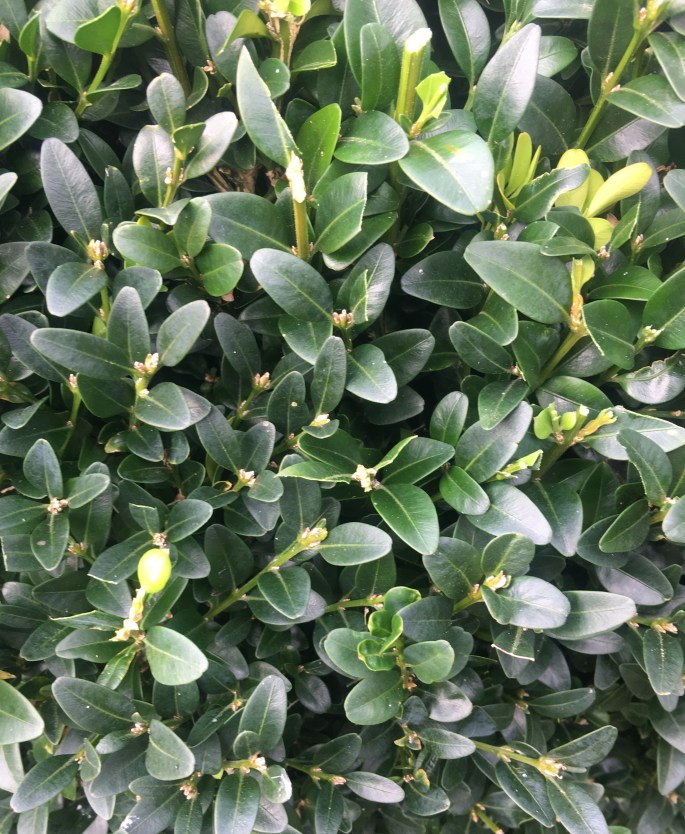
Common Box -(Buxus sempervirens). It can be sought already shaped or alternatively as a hedging choice. It’s slow in its growth which is why it is suited to topiary. It’s good in sun but tolerates a shaded position. It does, however, need a well drained environment. Its density thickens the more its clipped.

Hawthorn (Crataegus monogyna) offers fragrant flowers in spring to early summer and berries in autumn. It is good in both sun and shade although decidious so lacking interest in the dormant period. A fast growing shrub tolerant of exposed sites. It needs a trim after flowering. If it is done at the correct time this may not need more than an annual prune. It does need some sun so not a shade loving plant.

Blackthorn (Prunus spinosa) a fast growing habit offering flowers and berries. The flowers have no scent and although it offers interest in autumn, it eventually loses all signs of life until the following spring. It is very similar to Hawthorn although can cope in slightly more adverse conditions – this being the soil, air, nutrients and light. It is particuarly resilient in exposed areas with salt laden winds making it drought tolerant.

Pyracantha Saphyr Orange – this shrub flowers in summer and attractive berries are borne throughout autumn into winter. An evergreen, it provides interest at all times of the year including large thorns.

Conifers – encompass a large number of different species with different habits. Chamaecyparis lawsonia ‘Alumni’ – (False Cypress) is an evergreen that can be used as hedging. A hardy choice offering reliable foliage for little maintenance. Pinus and Thuja are conifers but usually used as an accent plant in a sunny border as opposed to a hedge. Cupressocyparis x leylandii ‘Castlewellan’ is fast growing and considered the typical choice for hedging. It does only require a shave to keep in check. A little every so often is key. A mistake that is made is that this hedge is left to get out of hand and then cut back in one go. This is needs to be clipped periodically rather than cut like privet. It doesn’t regenerate the same way and weakens it making it more prone to disease and fungal infection.

Forsythia x intermedia – a spring flowering shrub and Mahonia, an evergreen providing flowers, foliage and fruits in winter have been used but not particularly associated with hedging. Mahonia, a hardy evergreen tolerant of shade. It does need protecting from exposed areas though. It also flowers off last years growth so when you prune it, you pruning all the flowers away. The growth habit of both is informal, these plants shouldn’t be conditioned.

Variegated Plants

To achieve consistent interest in your space throughout the year, an easy method would be to incorporate variegated foliage. All year round, you will be provided with beautiful leaves, flowers as a bonus and offering a hardy canvas for bulbs, perennials and bedding.

Hebe – Hebes flower between summer and autumn – purple / blues mostly. The aspect is not particularly important although Hebes don’t like prevailing winds or exposed areas. The wind damages the foliage. The plant needs some shade but sheltered is the key. It is not a terribly hardy plant, may need a degree of protection in severe conditions. It’s suited to a container, so be moved to an insulated / coveted wall if need be. Cut back dead, diseased and damaged after frosts.

A particularly interesting Miscanthus ‘zebrinus’ (Zebra Grass) – it provides colour (green / yellow to pink and silver) throughout the year; textural qualities in winter too. The pruning is only necessary in spring, highly ornamental in all seasons. As a Miscanthus, it “whistles in the wind”, which adds a quirkiness to the garden. The new growth will start to emerge from the crown, this will indicate the grass is ready for pruning.

Aucuba japonica ‘crotonfolia’ – (Spotted Laurel). The spots, a result of a “friendly virus – “the mosaic” – it doesn’t harm the plant in any way and simply mutates its leaves. In the event of the plant reverting, cut the green out. It produces berries after the height of summer through to the next season. It is a very robust specimen. Good in all soils, aspects and conditions especially polluted air which makes it popular in urbanised areas or those with a high traffic content. No pruning, just unecessary / unwanted growth.

Other Bamboo / Sedges – Hakonechla macra / Carex variegata / Pleioblastus fortunei (Bamboo, sedges and grasses) – related but very different in habit. Most the pruning is in spring but some die back in winter. Hakonechla is mound forming, stays relatively compact but decidious. Carex everillo, Acorus is evergreen and Pleioblastus fortunei is too. There are different species, growth habits, sizes for varying purposes. These too in a variety of colours. Pennistemon (not typically recognised as a sedge/grass) are tolerant to moderate frosts and although do like full sun, can tolerate partial shade. These plants do prefer well drained soil and not in a waterlogged environment.

Euonymous fortunei – ” Emerald ‘n Gold”. A hardy staple evergreen, there is a cream variety too. ‘Silver Queen’. Good with adverse conditions. (Poor soil, light and water). These plants can be used as groundcover – an embankment or difficult location (very good as a weed suppressant). The plant does revert to its green state, you need to cut this unwanted foliage out to retain its variegation.”Colouratus” is the ground cover variety as a few others. The leaves turn a pinkish tinge if provided with full sun in autumn. The plant is very low maintenance, can cope with almost any soil without water or nutrients. It requires almost no pruning save unwanted growth.

Eleagnus ebbengeii offers the most eyecatching combination with their silver – green foliage mixed with Photinia as an evergreen hedge.  The plant is tolerant of little water, a drying atmosphere – so coastal areas, salt laden winds are fine. What Eleagnus don’t tolerate is the cold, so an exposed position is ok but with a good degree of sun.

Bamboo Shoots

Bamboo can come in a variety of sizes, habits, makeup and be used for a wide range of purposes. Screening, windbreaks down to dwarf planting interspaced with ornamental grasses. While strictly speaking a Bamboo is a true grass (Poaceae family), we tend to class the ornamental varieties as such and Bamboo as a tree.

Fargesia murielae (Umbrella Bamboo) is one variety that tends to get used for hedging. It is quick to establish itself, bushy habit providing substantial foliage all year round. It can be crossed with another Fargesia (nitida) which fuses the best of both plants. The thick foliage and attractive canes. Usually an X is indicative of a hybrid or when two plants have been crossed. There are large, thickset Fargesia but some can have quite delicate foliage – F. nitida Gansu ‘Shadow Light’ with its purple canes and F. nitida ‘Volcano’ with its red to black. For dense coverage, there is Fargesia robusta too – a reliable variety that is shade tolerant.

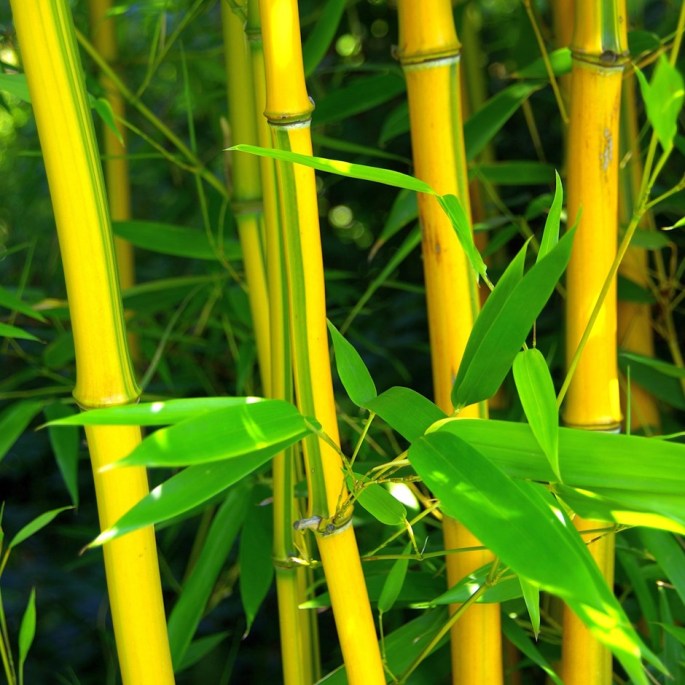
Phyllostachys nigra (Black bamboo) will give you dense foliage and ideal for attractive screening but standing alone it can offer architectural benefits to a garden. Startling results can be achieved with its shiny black canes. Phyllostachys humilis, green in appearance, has an upright habit but more compact. It doesn’t grow as tall but often used as hedging/screening.

Fargesia ‘Black Dragon’ is recommended for this reason. It has a tight clump forming habit with interesting black to purple canes which means it’s effective in standing alone.

The smaller varieties like Pleioblastus are more feathery in appearance but no less invasive. They can be a problem as ground cover. This growth is particularly aggressive with neighbouring plants and often underground. Pleioblastus chino ‘Elegantissimo’ is a good choice for a shaded spot but its root system spreads sideways so probably better in a container or where it can spread. These often need protection from the elements and prefer a sheltered aspect. A small, vigorous growing cousin Sasaella masmuneana albostriata can equally be a problem. In the right place, it can spread so quickly. Having said this, the white striped hairy bamboo is clump forming, very attractive, hardy and offers a energy source to beneficial insects so does have some redeeming qualities.

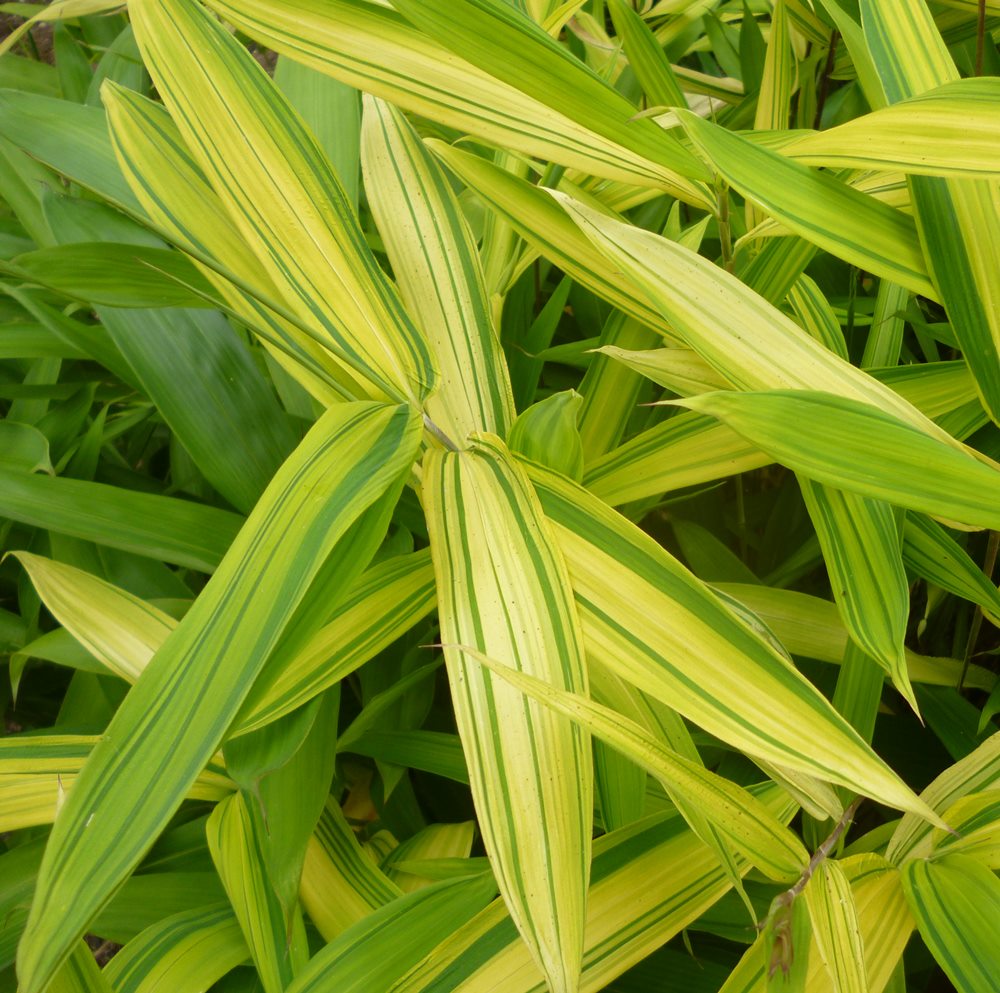
Ornamental grasses like Miscanthus (the Poaceae family) share clear similarities with softer bamboos. Miscanthus offer plumes of white flora through mid summer and foliage interest into winter, while they are easier to look after and less dominating of their space, Pleioblastus viridistriatus can rival this with its variegated foliage. It offers interest all year round adding green striped, golden yellow leaves to its landscape. As long as the space is adequate and side shoots are kept in check, bamboo’s have a lot to offer.

Special Features

Plants can possess a number of traits that makes them popular and widely incorporated in planting. Below are a selection that used often for a particular asset.

Flowers

Kalmia augustiflora – It bears summer flowers in full sun. An acid loving evergreen. It does prefer some moisture so will not tolerate drought conditions. It can get leggy, similar to Rhododendrons and seems to develop in this way. Cutting it back harshly will regenerate its vigour.
Azaleas too can grow beautifully in acidic soil and do prefer a partial shade since they can get burnt. It is important to trim back to existing buds when spent or before the end of July/August, this will create other buds. Azaleas are related to Rhododendrons so they too have a tendency to get leggy from inside. Camellia’s survive in this environment and are appreciated for their double and single blooms. They can be species offering flowers at spring and autumn. The main needs would be space, no competition for moisture and nutrients. Camellia’s like some shelter but also a degree of sun, sometimes can sit in over watered areas if need be. I think once in situ and established though do not tolerate being moved. Some Virburnum will display a yield of berries in autumn. While,  v. japonica will give you the summer white flowers, the deciduous varieiy will give a show autumn to spring like ‘bodnantense’ dawn later on.

Scented

Philadelphus (Mock Orange) has citrus scented white flowers. A spring to summer flowering shrub.  It is versatile and adapts to all aspects, soils, and ph levels but cannot abide sitting in waterlogged soil. Prune after flowering quite low to a bulging bud and it will regenerate twice fold. Daphne odora ‘aurea-marginata’ – a fragrant evergreen producing attractive leaves and pink flowers. It has a compact habit and keeps itself relatively neat with only removal of unwanted growth.  Prune after flowering taking crossing branches providing space for new shoots. Any damaged or diseased too. This cultivar is hardier than some specimens. Syringa (Lilac) – a highly scented shrub/tree. Lilacs like full sun but not all the time. A little shade is welcome and in well drained soil. Choosing the dwarf variety guarantees you get a shrub and a neat, compact habit.  Syringa pubescens ‘Miss Kim’ pale pink to white will give you a compact shrub as will another smaller variety, syringa meyeri ‘palibin’ suited to containers, patios, terraces or borders. These are dwarf but they will thicken out and are chosen for their neat habit.

Foliage

Elaegnus pungens or ebbingei ‘Limelight’ a brightly variegated shrub, it has a non-variegated counterpart. Good in all aspects like full sun, partial, soil type and moisture tolerant. Gives white scented flowers in autumn. Hosts an interesting opaque leaf variegated or green. Euonymous fortuneii is a really versatile border shrub that can sit on its own or in a plant combination. Euonymous has striking variegated specimens – ‘Emerald n Gold, ‘Emerald Gaiety’, ‘Dan’s Delight’ are all cultivars with added interest. A trim to maintain a bushy habit is the only maintenance necessary or if the plant is reverting to its original form and you wish to keep the variegation. Laurus nobilis ‘bay’ – attractive highly aromatic leaves. Often misunderstood as a large shrub, is infact a tree and has the potential to grow to 12m (40ft) if given the chance. It prefers to be in the sun in well drained soil. It is semi hardy but in colder climes good to provide additional shelter from the wind and frost. Photinia x fraseri ‘Red robin’ a free standing shrub or unconventional hedge, pruning will make it more dense. Pieris ‘forest flame’ bell shaped flowers in spring. An evergreen. The colour of the leaves will change from red and mature to green. No pruning necessary – just cut out straggly bits. Prunus lusitanica – Portuguese laurel has attractive foliage in the autumn but bears flowers in spring.

Habitat/Beneficial birds/Insects

Empetrum nigrum (Crowberry) An effective ground cover. They are for human consumption but not generally known as an edible berry. Good in shaded spots and with other acid loving plants. A hardy evergreen providing berries. Pyracantha has a show of white flowers in summer and usually successful in well drained soil free standing, against a wall or trellis. It is great for bees in the summer and birds/wildlife in the winter. It needs little maintenance but for its thorns, when it does it can be a pain. Prunus spinosa (Blackthorn) is a winter hedging plant but provides us with white flowers in spring, foliage as a food source for butterflies and moths, berries for hibernating mammals and birds. Crataegus (Hawthorn) offers food and shelter for birds and wildlife, insects are drawn in the flowering period mid spring. Unfortunately hawthorn is widely used as a hedge and often clipped before the heavily scented flowers bloom to their maximum.