Drought Tolerant

In the summer, plants often suffer as a result of rising temperatures. Like us, they need adequate hydration. However, mediterranean plants usually cope well with little water – cistus / hebe and ornamental grasses. Miscanthus, some festcues and bamboo are resistant to these conditions. Those with fleshy leaves – succulents and alpines.

In fact, these plants tend to be deeply rooted so they source their own moisture and can often survive in poor soil as well.

Rosmarinus officianlis (Rosemary) is a herb but effectively used as a shrub. It does like full sun and generally problem free. A light prune after the frost is advisable. The plant will look killed off but underneath there will be hidden growth. If it’s pruned too soon, it will affect its regeneration. It offers aromatic leaves and flowers at varying times based on your climate.

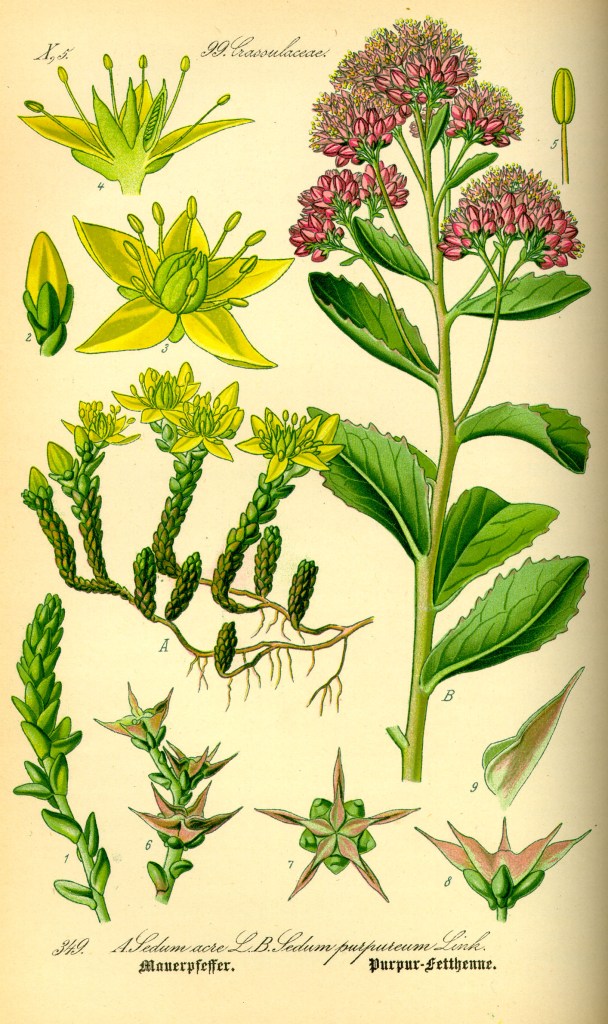
Stonecrop (Sedum) is a very good choice in free draining soil. It does like full sun and is self sufficient and low maintenance. The plant can cope with partial shade but not full. The only maintenance to be done is to remove dead growth in spring. Periodically, dividing the stonecrop will increase numbers and help with the vigour of the plant. It doesn’t cope well in wet soil though and susceptible to root rot. It is gaining in popularity as cover used on roofs encouraging biodiversity.

Lamb ears (Stachys byzantina) offer attractive silver leaves that are velvety to the touch. It does flower, but its textural qualities are more what it’s known for. A ground cover or mixed border plant, it does like full sun. It is, however, particular about moisture. It will not cope with over watering and well drained soil is needed.

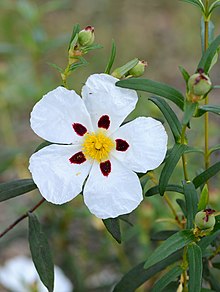
Cistus (Rock rose) – this evergreen requires little maintenance save a light prune after flowering. The plant prefers well drained soil and often found in rockeries because of its resilience to poor conditions. Full sun is preferred and will provide with you with flowers all through summer. An interesting fact – the flowers only last one day but colour in such profusion, you don’t notice they’re shortlived.

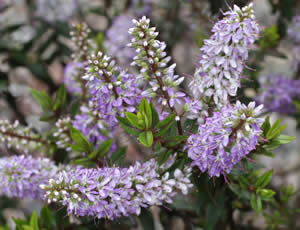
Hebes are generally hardy evergreens. H. ‘summer blue’. The only maintenance is retain its shape and remove the flowers. The flowering time usually is summer through to autumn. If you have a less hardy variety. H. Tricolour, a variegated one, you need to take out any dead, diseased or damaged wood as spring appraoches. It may flower until December. H. ‘Simon Delaux’ also flowers late into winter.

Ceanothus (Californian lilac) known for its drought tolerance and provides an abundance of colour from spring to summer. C. ‘Marie Bleu’ flowers later. The plant prefers a drier soil. A full sun aspect too. It is an evergreen, the only maintenance is to remove dead, damaged or damaged growth. Other than this, no major pruning is necessary. It’s self reliant and prefers no fuss. The leaves are attractive, the flowers and the fragrance too. Normally the flowers are indigo blue, although certain varieties like ‘Marie Simon’ are pink.

Shallow Roots

There are benefits to shallow rooted specimens if you have limited space/ the quality of the soil/the root zone depth is not sufficient. Most plants by their growth habit will penetrate their roots far below the surface. Some will have lateral (branching of from main stem) and some fiborous (fine, feathery roots). These are designed to source nutrients, water and find an available space to develop. However, It can be a problem at times, if roots are close to the surface leaving them exposed, vunerable to the elements and potential harm caused by animals or other external disturbance.

The benefit is that stem cuttings can often be used as the method to propagate successfully. The plant can be transplanted without fuss and generally can be moved at the right time without any problems. These plants can be often quick to establish and straightforward in nurturing. This can be a nuisance, when the plant is too happy and can become quite invasive.

All ash have relatively shallow roots but are not keen on being moved so an exception to the rule. (Fraxinus – woodland and Sorbus – mountain). The contorted Willow, as with all willows, is very close to the surface and can be easily damaged by aggressive winds. In fact, the closer the plant roots are to the surface, it will affect what you choose to plant in that area if anything at all!

Mahonia (x media/winter sun) will give you a show of flowers from late winter to spring and as an evergreen provides attractive foliage all year round. The only pruning is to retain the shape so a thinning exercise periodically is needed. It does prefer a shaded location, but as long as the soil is moist.

Hydrangeas – by the very name, these plants need a lot of water which is why it is unfortunate they’re shallow rooted. The plant can be affected by sun scorching and often intolerant to drought conditions. Hydrangeas like sun to partial shade. The colour will depend on the Ph level of the soil. What natural aluminium resides in the soil. The more acidic the soil, the more likely the hydrangea is blue. The more alkaline the more likely the flowers are pink. Hydrangea quercifolia – the oak leafed hydrangea offers white flowers from summer right through to autumn. The attractive foliage from spring. It prefers a slightly more acidic soil.

Azaleas prefer light shade but are a contender for any border. Similar to Rhododendrons they are shallow rooted and can often be containerised to ensure the soil is suitable for them. Rhododendrons do prefer a partially shaded aspect and a little sheltered. They do have a tendency to become leggy within, so an annual prune will retain the plants vigour. This plant is acid loving and must be planted in ericaceous soil to perform well. A spring flowering shrub that provides fragrance and flowers April onwards.

Virburnum offer a number of functions. This plant will attract both beneficial insects and habitat for wildlife in the winter months. Virburnum x bodnantense is a variety that is scented too. so a productive shrub. V. tinus, as an upright bush or effective hedge offering foliage, flowers and berries offering the same benefits.

Some Climbers as Honesuckle and Jasmine do have shallow roots. The plants have a mat forming growth habit under the surface that give the plant stability. This extensive habit is very dense and highly effective. It has no need to penetrate further down.

Marginal Plants

We have suggested the notion that most plants don’t like being saturated or sitting in moisture which is true although there are a handful who do. These plants were intended for water and need to be submerged in it. Often known as oxygenating plants, these plants keep unhealthy algae and weeds in abeyance. Certain plants are equally effective in improving the aesthetics of eyesores and providing habitat for aquatic / insect life.

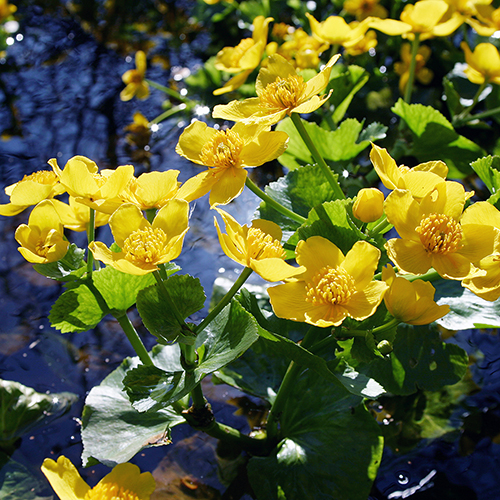
There are cultivated plants you would expect from irises to water lillies although there wild, native (UK) varieties that deserve a mention. Marsh marigolds (Caltha palustris) are clump forming, providing yellow cup shaped flowers from spring to summer. The plant provides a food source to beneficial insects encouraging bio diversity. The plant likes sun but can be found in woodland areas so tolerates partial shade.

Creeping jenny (Lysimachia nummularia “Aurea”) – although this is a ground cover plant it grows on land and in water. Low growing dense foliage providing shelter and coveting undesirable edging. It flowers from June to September providing pollen to bees. It copes very well in moist soil and marsh-like conditions. The plant will filter the water as it floats. It can be invasive but is straighforward to keep under control. The unwanted growth simply pulled out.

Marsh woundwort (Stachys palustris) – a perennial that flowers usually in June to August providing an essential food source. This marginal plant has attractive pink purple flowers that encourage birds and aquatic life too. Its roots sit just under the surface of the water as opposed to being submerged but resilient from damage if disturbed. It usually does well on low, damp ground.

Water hyacinths (Eichhornia crassipes “Lillianes”) are not native to the UK. The plant can be found in C. America/Southern climes and effectively used to purify the water. The resilience to adverse conditions of Ph, temperature and nutrients are why the plant is used. This and attractive flowers and foliage. However, what it is also known for is being particluarly invasive in more ways than one. Above the surface is a impressive show of flowers and foliage. Underwater, the roots are said to damage pumps, liners, filters and potentially wipe out other neighbouring species including wildlife – insect or aquatic. A pause of caution then.

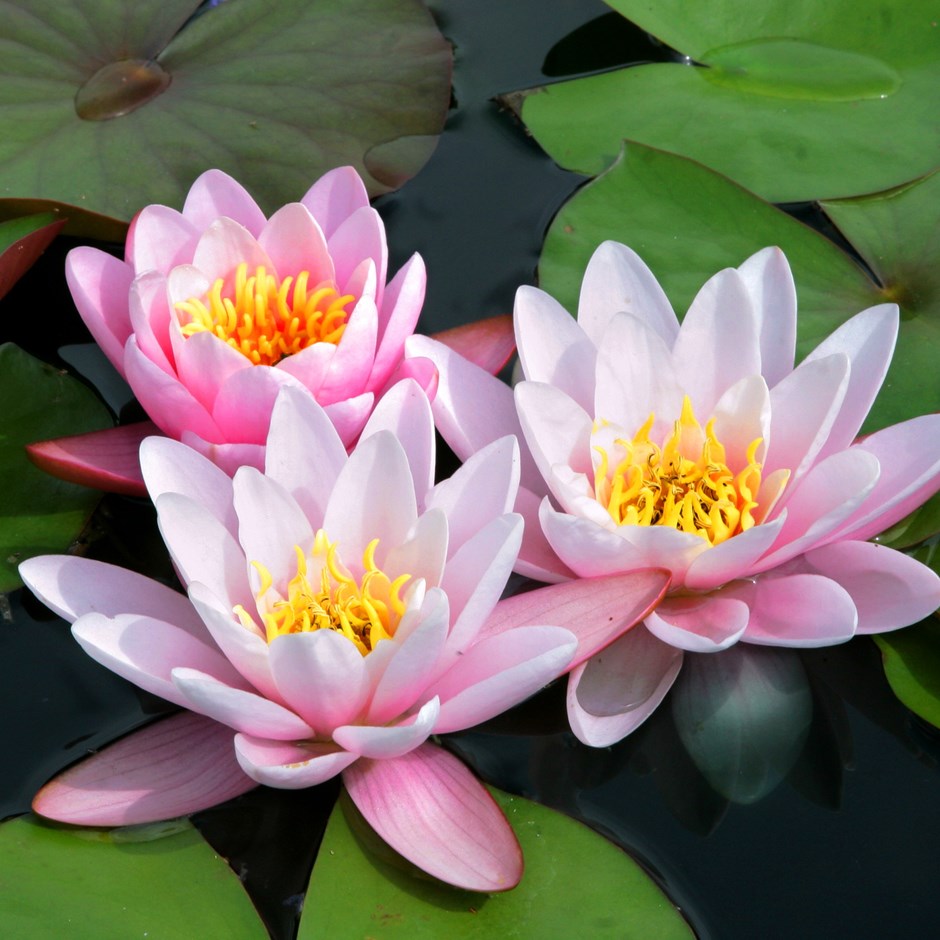
Water lillies (Nymphaea) – although the roots sit underwater, the plant usually requires some growing medium in a submerged basket as opposed to rooting wherever it can. The leaves are built to resist damage and the waxy surface to ensure they’re not over doused in water. A tip is to adhere to the depth requirements as varieties differ and can strongly determine the plants success. These plants will need to be divided at some point. Lillies do have a tendency to become congested in time. An indication can often be if the flower protrudes from the surface.

Irises are a perennial that can survive and thrive in boggy/marsh-like conditions. Others can be semi-aquatic. The Blue flag (Iris versicolour) is an aquatic variety, the Yellow (Iris pseudacorus) can be found near water although will cope with drier conditions. Iris sibirica, a purple variety provides long lasting blooms but usually are found on harder terrain. The plant still needs moisture but not so much wetlands. Flowering times of irises are spring to early summer with beardless ones usually slightly later. All Irises will benefit from division. It will improve the plants performance and health. In flower, do deadhead the plant since this will prolong the blooming period giving it a show for longer.

The Umbrella plant seems to fuse its purpose to both the garden and house. It is used as a pond plant and some care is needed as the plant is developing its roots system, but when established can withstand moist and wet conditions. It can be immersed in water and grown in soil. Cyperus alternifolius, a grass like perennial providing interesting foliage which will die back in winter. It’s not frost hardy, so in a pot needs protection from the elements. It likes a sheltered position, but does need some natural light too. An ideal soil would be wet and humus rich. It can equally be grown indoors as long as these conditions of medium, moisture, space and temperature are adhered to.

Trail/Ground/Creeping Plants

Aubretia are small and low growing but their colour makes up for it. A spring flowering trailer. It can also be incorporated in a rockery. It prefers drier conditions so drought tolerant. It is attractive to beneficial insects as a bonus too.

Lobelia is usually a summer flowering annual but they are perennial varieties. These will need some maintenance to prevent them from becoming leggy. The upright type L. ‘Starship scarlett’ will need to be cut back and divided to rejuvenate the plant. The bedding trailier will provide you with a cascade of colour until the 1st frost.

Phlox can be mat forming and upright. A hardy perennial that can be divided or propagated from cuttings. P. paniculata is the most common variety with many cultivars ranging from Oranges, Reds, Pinks and Blues. P. subulata is the variety for ground cover/trailing. The plant flowers from different times of the year. Some early summer through to autumn.

Erodium (Storksbill – related to the Geranium) A hardy variety that provides flowers and distinct foliage, very robust and will offer resilient cover. Erodium x variabile ‘Roseum’/ ‘Bishops form’ – a small alpine on its own, it is clump forming but a cluster of them will create a carpet of colour from the beginning of summer to the end.

Bleeding Heart (Dicentra spectabilis) offers pink white flowers in early spring. This plant does prefer a good nutritious base so a humus rich soil is ideal. The whole structure should have some substance. Take note where it is positioned though, its root system being underground but close to the surface. Its storage organ is a Rhizome – it only slightly protrudes. It will not be visible until it resurfaces so digging up can be so easy.

The Serbian Bellflower is excellent cover for the ground, walls and rockeries. C. poscharskyana ‘Blue waterfall’ will provide a trail of colour from early summer to late. It needs little attention and highly effective in encouraging beneficial insects.

Hardy Perennials

In the midst of winter, what better way to find colour in those bleak periods but from smaller hardy annuals/perennials. These plants will provide an array of colour at the front of borders with next to no bother. The perennials will re-appear the following year and the annuals after flowering will have set seed elsewhere.

Cyclamen coums are early and often can be seen alongside Snowdrops (Galanthus nivalis), although Cyclamens flower for a longer period. Snowdrops are known to flower for a matter of weeks. The storage organ of the Cyclamen (Corm) allows you to divide over time and multiply numbers. It flowers from late winter to spring.

Bellis is a good ground cover plant for edges and effective in containers. The perennial will flower in autumn. It is effective in most aspects and can cope with exposed areas. It has a tendency to self seed so dead-head to avoid unecessary growth.

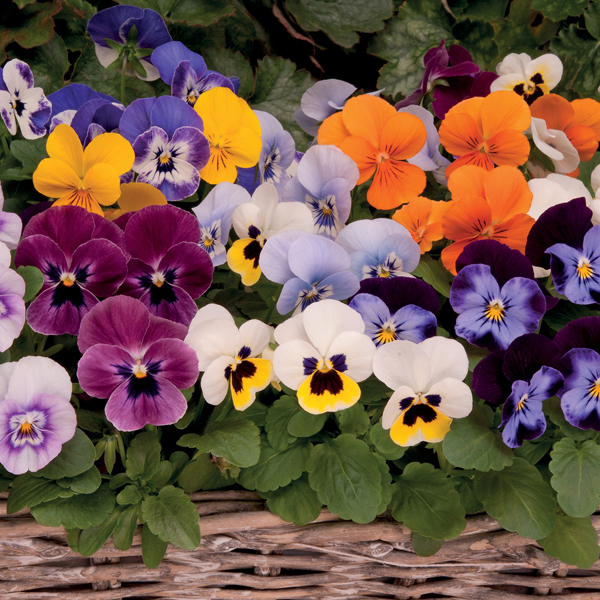
Pansies are not strictly perennial but they can come back and often do. It will flower in late winter to spring. It’s smaller cousin Viola shares the same growth habit.

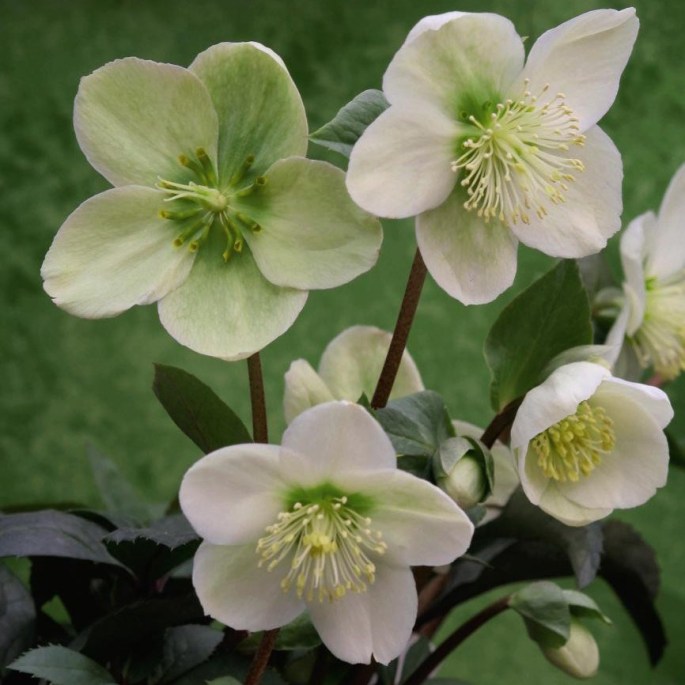
Hellebore (Lentern/Christmas Rose) will flower in winter (usually but there are exceptions). It is generally an easy perennial to look after save very wet soil. The uplifting flowers on the darkest of days. They in fact prefer semi shade.

Primrose/Polyanthus are similar to the Pansy. They often come back and bring colour year after year often improving in their performance. It can be bought as a bedding plant but it will provide you with winter colour right through till spring.

Another spring flowering perennial that often is overlooked is the wallflower. It is hardy and is often incorporated with spring bulbs. It flowers March onwards usually but can be planted in the winter months. Effective in cracks of walls hanging down or in containers.