CHRISTMAS PLANTS

There are plants that are associated with Christmas, there are plants that have “Christmas” in their name too but have absolutely nothing to do with this festive season.

Mistletoe (Viscum album) is associated with amorous engagements purely since it was recognised as symbol of fertility and vitality. In reality toxic although not lethal. Mistletoe isn’t grown, it hosts off other flora sometimes killing the parent plant. So, actually a parasite and poisonous.

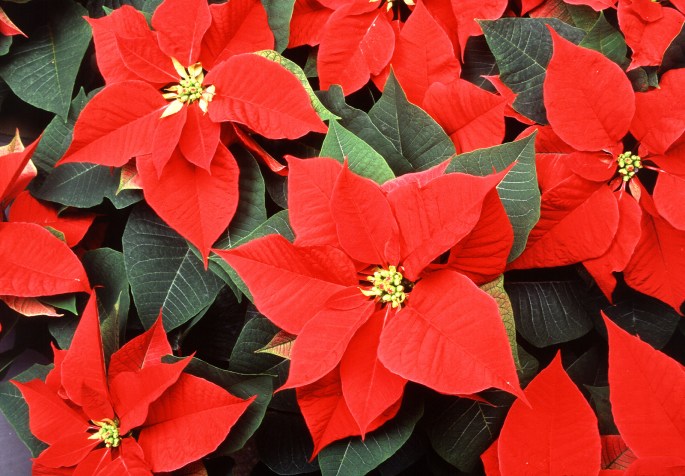
Poinsettia (Euphorbia pulcherrima) or Spurge to you or me. Not very festive sounding. It is considered a house plant but under the right conditions can be transplanted after the new year and when conditions are warmer. These aren’t very easy to keep though. The conditions are important. The plant needs to be warm enough but not too hot. Some sunlight but not too much. It needs water but not excessive and the soil must be free draining. It will flower again if these conditions are adhered to.

Holly (Ilex aquifolium) associated with Christmas largely because of its berries are borne at this time. A much needed food source for birds over the colder months. This plant can take the form of a tree, shrub, or climber by its species. It can be argued that cotoneaster offers an equally stark contrast in the winter months yet it is not associated with this period. There are references to the leaves resembling thorns although this has no relativity to the plant.

Ivy (Hedera helix) is long associated and references made in carols. A very invasive plant. I’m not a fan of Ivy. I take the view that it does impede growth. It takes moisture from other plants and competes for space. Once in situ the growth is very prolific and can cause problems on brickwork or stone. Like other plants not the direct cause of its demise but a contributing factor. With brickwork, will not cause the deterioration but certainly does not help in preventing decay.

Christmas Box (Sarcococca) is perhaps referred to as a winter flowering shrub. It provides sweet fragrant white flora throughout the winter months. An evergreen it provides attractive foliage at other times of the year. It will bear berries after flowering so an important food source. But not directly linked to Christmas.

Lentern Rose / Christmas rose (Hellebrous niger) no link to Christmas or Roses. It is not related in anyway to Rosa. Perhaps because it provides winter interest. An effective perennial in a shaded area needing little maintenance providing colour and interest where there few other plants in bloom.

There are plants that are celebrated at Christmas purely because they flower at this time. Christmas Cactuses being one. Having said this, other cultures bring a wealth of richness with other forms of acknowledgement. Olives for peace, Opium poppy pods for prosperity and bulrushes for prosperity and good fortune which are equally important.

COMING INTO THEIR OWN 1

Some shrubs come into their own in this period and rather non descript throughout the rest of the year. They may bear fruits now (feeding wildlife, may flower in abundance) yet produce quite bland foliage at other times.

Dogwood alba (sibrica) does produce foliage, and its stems green . It does flower in spring and bears fruits after but is used for its winter colour. It prefers sunlight and so not suited to a chilly corner. It does remain relatively compact but cut down after dormant period and reduce growth to a few central stems. Remove dead, damaged stems and this will encourage new fresh growth for the coming year. Dogwood (kousa) is a variety not known for red/yellow winter colour but its flowers in summer.

Mahonia offer a scented yellow flower in the autumn shortly after the leaves start to change colour. Having the colour at this time, the foliage is equally attractive all year round as it is an evergreen. Mahonia are hardy. No maintenance to speak of other than control the size so if limited room cut back a little to retain the shape. Although a shrub can be used as part of a mixed hedge or a means of deterrent down to its very spiky leaves. It is not a formal shrub and shouldn’t really be pruned heavily.

Hellebore (Lentern Rose) These can flower throughout the darkest and coldest months, although must be in full sun. The soil needs to be free draining too, they don’t like sitting in moisture. Although they are regarded as perennials. The foliage actually never dies back to the ground, although the flowers are this period.

Pieris ‘mountain fire’ and ‘forest flame’ are evergreens that offer flowers, changing foliage and needing little care. A compact shrub. It bears flowers in late spring as the foliage colour in early. So it is not autumn flowering but provides more interesting foliage in this period. It does prefer full sun and the soil enriched with goodness.

Cotinus coggygria ‘Royal Purple’ (Mexican smoke bush) has a deep foliage all year round although in autumn seems richer. A great foliage plant needing little or no maintenance save unwanted growth. It flowers in summer but known for its purple foliage which is enriched in the winter months.

Hamamelis X intermedia/mollis (Chinese witch hazel) – an architectural specimen often looking quite insipid until the flowers appear. It can be the most vibrant orange and yellow. The flowers are fragrant, delicate and appear in the dormant period (usually late in winter though.) It needs some protection from wind damage too. The leaves, although a bit non descript do provide foliage and change colour in autumn.

Virburum tinus, a winter flowering shrubs providing hugely fragrant flowers. Virburnum’s are good in most aspects and relatively resilient to adverse conditions. The soil should be on the heavy side and not too sandy. Water retentive but not water logged since few plants like this. Bear in mind, you should let this shrub/hedge lead it’s own habit. it is not formal any way.

Chimonanthus praecox (Wintersweet) A hardy shrub providing a spicy, fragrant scent. A delicate flower borne on the previous years growth. It needs to be in a sunny position and well drained soil. A little shelter too, maybe by a wall for protection due its delicate habit or an appropriate wind buff.

ROGUE PLANTS

There are certain plants that rarely work well where you put them. In fact the growth can be rather prolific where you least expect them.

Lily of the valley (Nolinoideae) is one although it is good ground cover wherever it emerges. It never really grows in its intended spot. Or seldomly. A woodland perennial it will tolerate shade and is prolific in these areas. Few nutrients and attention. It is drought tolerant to an extent but it would prefer some moisture.

Crocus (Iridaceae), a spring flowering bulb will also pop up where you least expect. Crocuses are very resilient. The plant does grow in a woodland environment but it’s not tolerant of total shade and needs some sunlight. It is spring flowering and low maintenance save periodically dividing not only to propagate but regenerate the plant.

Primula (Primulaceae) is a primrose that doesn’t mind some shade although not full. The soil too needs to be on the fertile side and will not grow in particularly poor soil or do well. The soil needs to be light though needs to have some substance. It mustn’t get waterlogged either, hold enough moisture but be free draining. These conditions aren’t particularly straightforward.

Polyanthus (Primulaceae) also a primrose is very similar and flowers in spring. It can left in the ground or moved / distributed when its divided. The biggest difference is it has more flowers on each stems so the cluster appears bigger. It prefers a more dappled woodland environment. It’s been mooted that a primrose crossed with a cowslip and as a result has become a hybrid

Crocosmia / Monbretia – Valentine flower (Iridaceae) can be planted in one space. A perennial too. It will die back and re surface the following year, a summer flowering perennial. It can be orange, yellow or red. Monbretia is just another more traditional name. More associated with red for some reason. Perhaps the parent before cultivars and hybrids. These clusters can be divided and propagated effectively. Very easy, just cut back dead growth and it will return. It needs a degree of sun though and relatively dry soil, not waterlogged, compact or heavy.

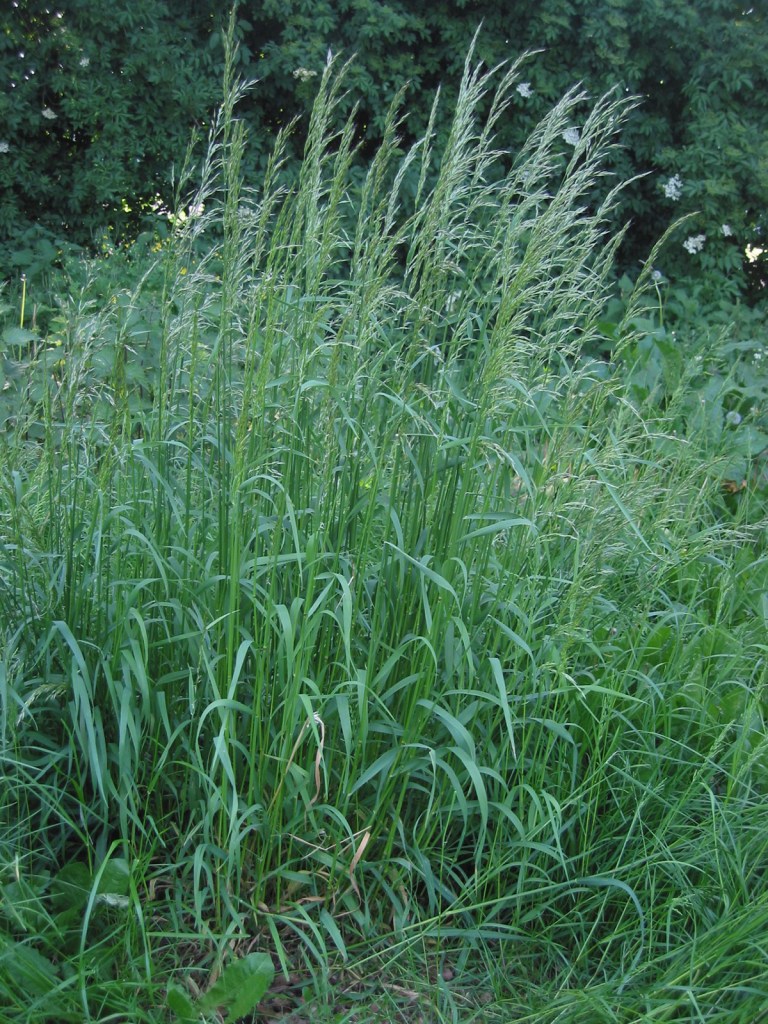
Oat grass (Poaceae) A grass that is said not be invasive. The seeds from the plumes do germinate. An ornamental grass where you usually would cut it to the ground. Divide it to keep the shape, size and vigour of growth.

Everything that disperses its seeds, pollinated by birds / wind / insects can be invasive. It’s perennials on the whole since they have time to establish themselves, source the energy and develop underground. A bigger specimen will never come true, a little “rogue” seedling can be pulled out within seconds.

END OF SEASON

As the summer season draws to a close, what should we cut back? Is this everything or a particular plant that may benefit from a prune. Plants that flower off last years growth such as Forsythia, it’s good practice to cut back immediately after flowering not only to curb them becoming invasive but it can affect next years flowering.

Rose of Sharon – (Hypericum calycimum) – this particularly invasive perennial needs to be cut to the base and any unwanted growth removed. It is a part of the Hibiscus family but this common one should be treated as a weed, however lovely the yellow flowers appear. If it is starting to encroach on neighbouring plants, it is worth digging some of out to reduce its size and control its growth. It will come back so a case of managing this.

What is necessary to do is to cut the herbaceous perennials down and start removing the dead growth around them. This housekeeping is important to remove dead growth, apply protection like mulch if it needs it, reduce disease and prevent pests sheltering over the winter. These plants go to sleep underground and above the surface appear dead or dormant.

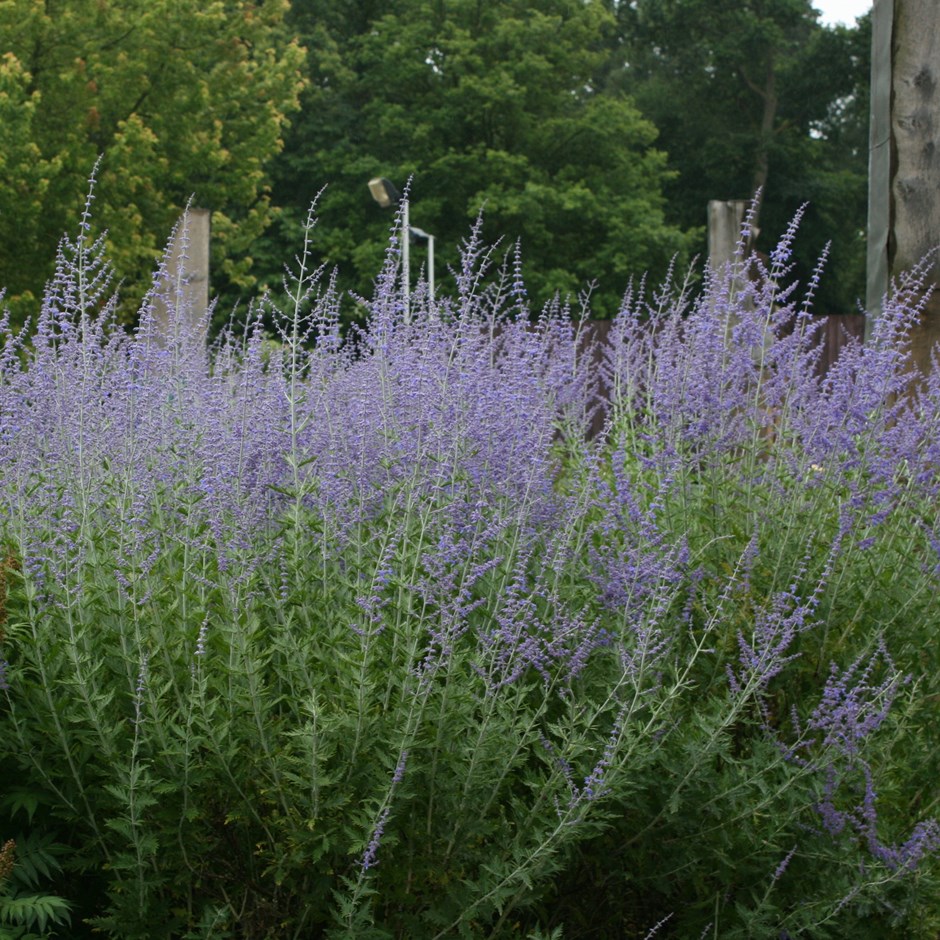
Russian sage – (Perovskia atripicifolia) – this perennial is so easy to look after. It is drought tolerant, attracts beneficial insects and has a beautiful fragrance. So simple to cut back. A similar perennial is Nepeta. It has the same sort of habit. Marginally lighter purple. It is very low maintenance and once in situ withstands neglect.

Catmint (Nepeta) A perennial that likes sun. It’s long flowering so may be still in bloom. It is low maintenance and only requires cutting back. Do this shortly after flowering but reshape, don’t cut it right back.

Coral Bells – (Heuchera) (Forever purple) or green foliage (Delta dawn). This is great for filling in a gap although do make sure the soil is free draining. They do not sit well in water. A clump forming perennial offering yellow flowers through the course of late spring to early summer. Cut off spent dead growth and expose young shoots.

Hollyhocks – (Alcea) – A hardy perennial that needs full sun. It is important to have rich moist soil too. Pull the canes out and cut to the base. High winds will only break the stem and all the goodness has gone to the ground. Hollyhocks lifespan can be extended by cutting it down immediately after flowering or they can regenerate themselves and self seed too.

Delphiniums are hardy specimens, easy to grow, but not so much in poor soil. A reliable summer flowering perennial. The position needs to be a little sheltered and the soil needs to be fertile. With Delphiniums we can achieve a bold statement of purple, blues, lilacs and whites. Delphiniums do need full sun so worth remembering not for a chilly corner either

Bergamot (Monarda) can be cut down and dead growth removed. A summer flowering perennial. It is hardy offering a scented fragrance from its leaves. It is drought tolerant and will perform in light shade.

Crocosmia/Monbretia – These perennials are clump forming and can become invasive. These perennials however will perform in any kind of soil, any aspect, any consistency. They procreate on their own so pulling a few rogue ones out will do any harm. These perennials are very hardy. There is no difference in the name – Monbretia is more traditional.

Woody shrubs to treat now, the following or left until spring. They require a little more of an explanation so “shrubs” will follow this.

Spirea – mound forming shrub in summer. Cut back to a neat shape to encourage new growth in spring. These shrubs prefer full sun but can tolerate some shade.

The flowering currant (Ribes Sanguineum) A spring – summer flowering shrub, which is accepting of most aspects. The soil needs to be water retentive but still free draining. It will benefit from nutrients in spring but quite tolerant of poor soils. It is important to take away superfluous growth but not all to encourage new growth. A good practice is to thin out crossing branches and leave a number of thick central stems. Cut to a leaf node and tidy.

The Butterfly Bush (Buddleia) and (Hydrangeas) certainly needs pruning but these can be left until spring. Over winter some argue that it helps protect the plant underneath. I don’t think it’s terribly important, If it doesn’t look un aesthetic in appearance, just leave. The important factor is that they are cut back. It regenerates growth and prevents them from becoming woody. Hibiscus too, although I tend to leave until spring. Although these woody shrubs will re generate from a prune. Leave these until spring.

Roses too can be cut down now- any dead, diseased and damaged stems if flowering has finished (although if you dead head you may still have flowers) in preparation for winter. In the event these are untouched shortly before adverse conditions leave until the spring. One or the other but not in between. Roses don’t need to be cut entirely but dead head and start to thin them out. A good practice to cut them a little more in spring and remove any stems haven’t regenerated after the adverse weather.

Shady spots

It can be a secluded spot in an open space that gets little or no sun. If we’re dealing with an NE/NW facing garden it can be in an area that is chilly / exposed to the elements. Any plant that’s in shade will generally grow slower but it’s worth knowing more plants tolerate these conditions than you’d think.

Daphne’s are known for their flowers / scent in the cooler months though they’re not hardy in extreme conditions. It can be partial shade provided there is some sunlight. It will flower from winter to spring. Daphne odora provides fragrant flowers / variegated foliage.

Rhododendrons, although tolerate full sun, prefer partial shade. Since they’re a woodland plant they often do well in poor soil. They will compete with other plants for moisture, although not to excess, so the soil needs to be free draining. The PH. is important and has a bearing on its performance too. They prefer an acidic soil as do Azaleas, an ericaceous base with organic matter, humus rich in substance.

Camellias prefer an acidic soil but these shrubs are OK in semi shade, not too chilly though. Camellia’s do prefer a warmer aspect, not particularly resilient to the cold, damaging winds. Most Camellias flower in early spring. These are C. japonica. The winter flowering variety, C. sasanqua needs protecting from the sun, cold dry winds – the more sheltered the better. C. ‘winter Star’, however, is hardy and early flowering. Camellia x williamsii is also hardier than C. japonica and flowers in winter. It is good in shade too.

Aucuba japonica (spotted laurel) is a good hardy shrub. It will withstand adverse conditions. It is an evergreen. It offers interesting foliage as a result of the mosaic virus. It is noting this is a friendly virus; doesn’t harm the plant, just mutates the colour. In order to retain this effect, cut out the reverting green growth.

Cornus alba (Dogwood) is very good in a shaded area and exposed conditions. C. canadensis particularly for shade, C. alba for exposed areas. It will provide flowers, foliage and attractive bark in the winter months.

Virburnum davidii is tolerant of sun and shade. A shrub that attracts beneficial insects and provides flowers, foliage and scent. It prefers well drained soil but generally very easy to maintain. It is worth noting it is not a tidy shrub. It has an informal role in a mixed border and will not stay compact. It’s not keen on being exposed so dark but not cold.

Mahonia ‘Charity’ and ‘Winter sun’ most common. These will flower from autumn, suited to a cooler environment. The shrub tolerates being in shade – a strong possibility for those difficult areas. It’s a hardy shrub and provides scented flowers / bursting colour in winter. There is no real pruning, just removing unwanted growth in spring.

Skimmia is an evergreen providing flowers, foliage and berries throughout the year. A scented flower in spring attracting beneficial insects, much needed berries throughout autumn / winter. They will tolerate most conditions; soil, aspect, adverse weather but again partial shade. Skimmia can become leggy so do cut out bolted growth and cut out any unwanted in spring.

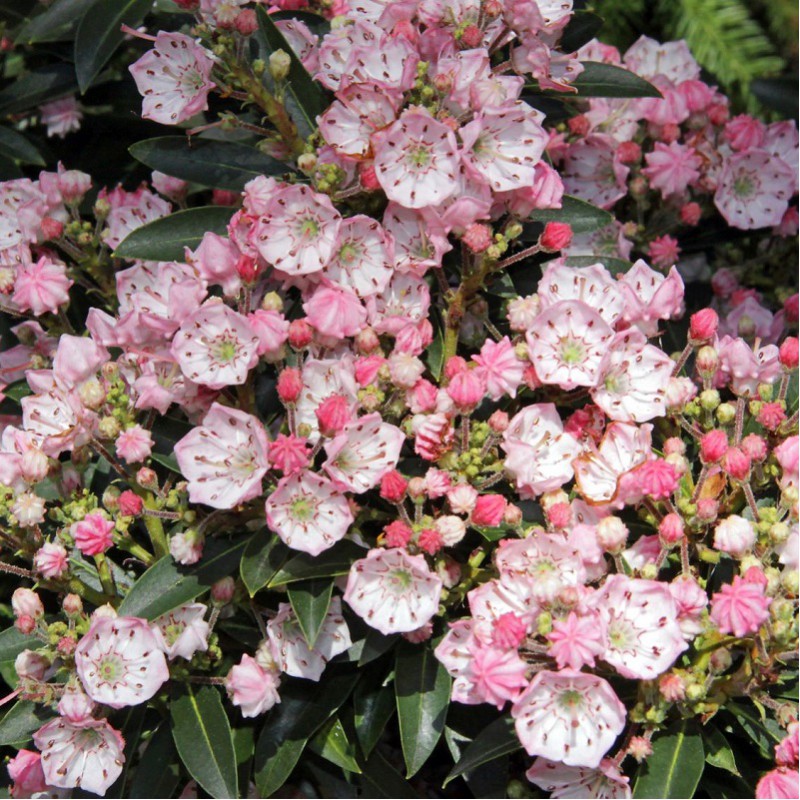
Kalmia (Mountain Laurel) is a very good shrub for shade. It flowers in early summer. It does fruit but it’s the pink, purple, white flowers that form a delicate cluster. It needs to be in well drained soil, not an area that gets waterlogged. It also prefers an ericaceous soil – full of humus rich matter and on the acidic side. Also prone to root rot, so make sure the crown of the plant protrudes from the surface, similar to roses.

Sambucus nigra (Elder) this shrub will tolerate a shaded spot but like most plants do better in full sun. It does benefit from lemon scented flowers in summer although the foliage on its own is impressive. It produces berries as a food source; popular with birds. It is hardy, though decidious so it loses it leaves. The soil also needs to be humus rich, high in nutritutional substance so a sandy consistency maybe not. However, the soil can be conditioned so it’s not particularly an issue.