
Coastal Microclimates

Most plants are able to adapt to adverse conditions their makeup wasn’t ready for, whether it’s Ph balance, competing plants or the ability to absorb potassium (affecting shape size, colour). If the soil is dry the plant can’t absorb anything. There is, however, one condition that is non–negotiable for them and that’s wind. Some plants will not tolerate it at all. With this in mind, care needs to be taken choosing plants for a coastal location.

Although it might appear milder in conditions with less chance of frost, the plant will have to cope with extreme winds and salt laden moisture. The shelter will need to start from the outer layer. A hedge to act as a windbreak that will protect a tree then more enclosed a shrub to an eventual perennial or hardy bedding plant. These plants need to be tough to deal with adverse weather conditions that cease to stay consistent. They will be exposed to harsh winds and excessive water, although moisture, it will have a high concentration of salt. With more sun than shade it is inevitable that these plants will dehydrate, they need to be resilient with little maintenance. The conditions ongoing yet keeping a colour and vigour all year round.

Some grasses (Stipa) are popular and ferns (Asplenium) are encouraged to grow through cracks in walls. They will thrive off the minerals of the stone and tolerate alkaline conditions. At times the plant can be found in an inaccessible location and needs to be therefore self-sufficient. The salt content is an important factor and often Rhododendrons (Evergreen) and Wild Roses ( die back but doesn’t lose growth so cut to ground level) can be used, they can survive in these conditions.

The soil is often very sandy with no loam (humus matter – bulk) all moisture will drain away as will nutrients if added. Often the soil particles are poor and has no substance to retain the goodness in addition to the prevailing wind.

It is important for particular plants to be given the right location with the right protection. Otherwise, it will render the species burnt and blackened, the leaves will be damaged and it will eventually destroy the plant. The sand accompanied by the salty water can be damaging. Suitable plants usually have some form of waxy layer or may have tiny hairs on their outer shell (leaves/bracts/shoots). Often it is advisable to choose perennials that die back to ground level or choose specimens that lose their leaves thereby going into hibernation and resourcing their energy levels.

Structures or embankments are suitable as they can act as windbreaks but walls aren’t a solution. They can almost compound the wind problem and can even channel turbulence to really fuel the problem. Hedges are, therefore more effective than walls, the wind moves through the gaps as opposed to applying pressure.

There is one benefit to these very adverse conditions, the climate, the temperature is mild so more borderline plants can be incorporated which would otherwise not cope. Typical examples below.

Suitable Hedging/Windbreak

Berberis (Barberry bush)

Hawthorn (Crataegus monogyna)

Rosa rugosa (Wild Rose)

Suitable Trees (adding sheltered pockets)

Pinus (Pine)

Salix pursuer (Willow)

Cytisus (Broom)

Suitable shrubs tolerant of wind/salt

Cordyline

New Zealand Flax

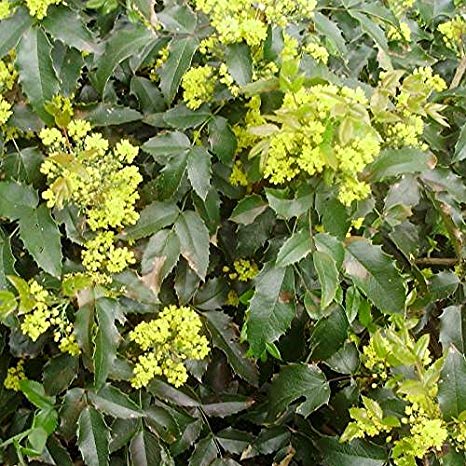
Mahonia Virburnum
Grasses

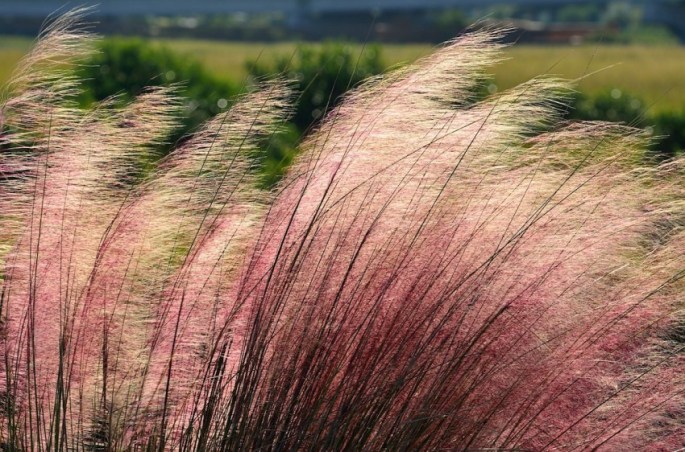
These are really low maintenance plants and can achieve a strong mediterranean effect . The Ornamental Grasses- good for coastal spots and windy locations that suffer drought like conditions. Usually most will survive in mixed conditions although usually must be well drained, they can tolerate semi fertile soil without additional food. This includes most soil types whether Chalky, Sandy or Loamy. The conditions are usually a full sun/partial shade aspect/free draining soil. They can add an archeitectural element to the garden without much effort. There is very little to do them bar a handful.

Pampas Grass can often need some attention because usually people wait until its too late and you have a front garden with 1 Pampas Grass dominating the entire green space. A yearly crop to the base 6 inches and it will regenerate better than you think coupled with helping maintain its size and shape. Dividing will help and you will have more plants equally , bear in mind that cutting back dead growth will encourage next years so do take it to the base. Either when spent before dormant season or just as it is warming up (Spring). They are quite resilient so don’t be too alarmed at the bald lump that is left after giving it a good cut. Very rarely does it fail to replenish, it controls it too.

Bamboo is not associated just with towering specimens that dominate the designated spot. There are dwarf and standard varieties. Pleioblastus variegatus can provide the same bamboo foliage on a smaller scale. Some are suited to shade, some full sun and others exposed areas but again the salient point being not too wet and free draining. They are fit for purpose whether in a pot as a wind break, clump forming or in a running course. Varieites suited for potting as Shibataea Kumasca, Fargesia nitida better placed for hedging and a running course and Chusuea culeou/Phyllostachys nigra for your wind breaker/screening

Carex buchananii (Brown) Glauca (Blue/Green) Sedge, Fescua Glauca (Blue) can all be used as an effective contrast plant. Stipa tenufolia (Pheasant Grass), Ophiopogon nigrescens (Black Mondo) once in situ doesn’t need anything more than cutting rough ends and can be left to their own devices.Drifts of them can be quite dramatic. Miscanthus – which whistles in the wind (nice attribute) sinensis – many different varieties including some variegated leaved forms. They usually add good autumn interest and need cutting back to the base to encourage new growth. ‘Graziella’ Pink and then silver. ‘Marlepartus’ Purple plumes and the silver in Winter. Most varieties are quite self contained and neat clump forming. Smaller varieties M . sinensis ‘Adagio’, ‘Gnome’ do not usually have a clump habit and would be planted in drifts. These both are smaller but have quite dense foliage.

The range doesn’t stop at shades of Brown and Green. There are varieties as Arthropodium candidum ‘purpureum’ Rock lily that has a show of Purple bronzed leaves and forms tiny white flowers as an extra element. Carex dipsacea ‘coppertop can provide a vibrant a bronze effect with specks of orange appearing at tips. In addition, Carex testacea ‘Indian Summer’ can provides a rusty, orange glow at its peak.

A contrast example might be the variegated leaved varieties which Carex shares one Carex brunnea ‘variegata’ of but also Bromus inermis ‘Skinners Gold’ or Acorus gramineus are possibilities for a green/yellow effect. . There are specimens suited to being potted Arundo donax ‘Golden Chain’ and ‘versicolour’ is another but sometimes check for hardiness as with some they require extra protection in the chillier months. Arundo donax can reach a mammoth size there is a type that falls short of Bamboo that being the above. This reed like structure towers above most and is hollow inside. Nonetheless, it shows why they are such attractive and versatile plants which can be used for a variety, adapt to diverse conditions, need little or no attention and achieve quite startling effects.

About

I have spent many years trying to understand why everyone loves Gardening so much. Is it because of the exercise? Is it the fusion of indoors and outdoors, or is it the whole “getting away from it all” routine? Some and most of the everyday rituals are low key, dull and hard work. But to create, to propagate, to re-generate and conserve – this must be worth its weight in gold! Any project you undertake will involve effort, and will accrue debris – you will create mess, chaos and a bit of disarray but in the end, it will all be worth it. The perfect outdoor space always is.

Services

 Amenity Horticulture Services: National Diploma

  • Hedge cutting of a standard thickness. No use of a chainsaw. Height no issue up to and beyong 6ft. Subject to inspection of site.

  • Rotary mowing and strimming. Additional spraying upon request (PA1 & PA6 certified.)

  • Advice on suitable plants according to your garden’s soil, moisture and ph balance.

  • Advice on addressing soil ph balance, conditions and aspect of plants.

  • Advice on measures to address drainage and soil issues.

  • Advice on plant combination following re-conditioning.


Garden Design: Diploma

  • Design of different plant combinations and selections based on colour, flora/fauna and seasonal preferences.

  • High Pressure Washing (using KARCHER Full Control 4.)

  • Turf Laying subject to agreement of a scheduled date. Inspection before quotation is provided.

  • Assessment of site. What overgrowth needs to be removed and transportation of debris organised.

  • Visitation to ascertain your needs – not contractually binding and you will receive a quote.


Contact me today!

I can offer online consultancy services for a particular issue that afflicts you and your green space. No request is too big or small, use the form on the contact page to set up a consultation today.